
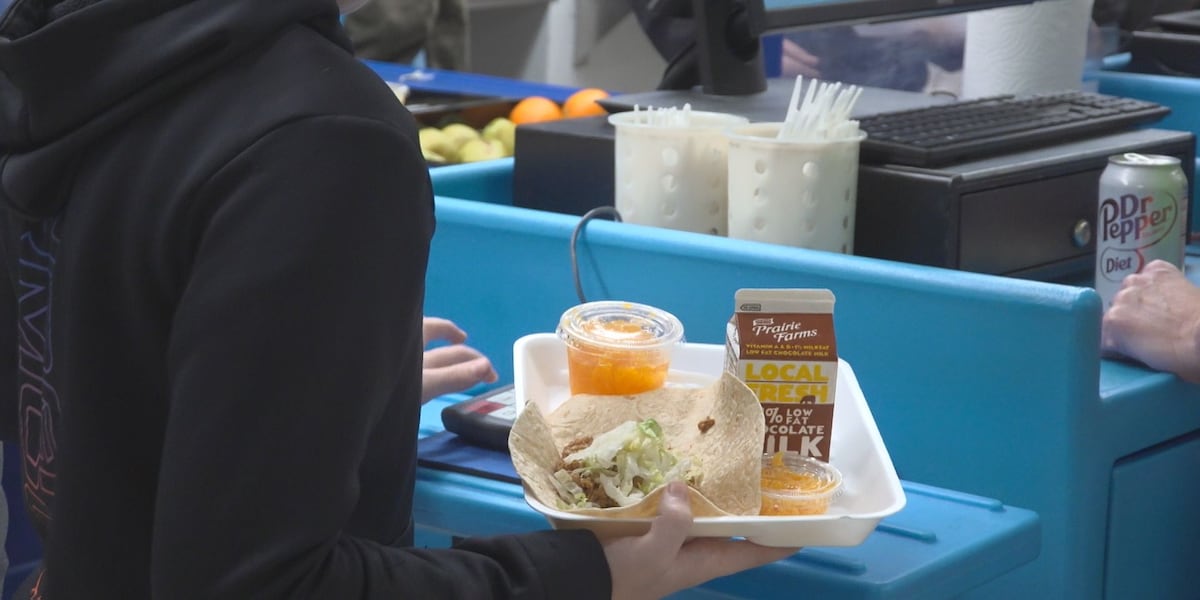
QUINCY (WGEM) – For 20 years, Jean Kinder’s mission has remained the same.
“Sixty percent of our students are food insecure, and so… Our ultimate goal is to make sure kids are fed and we’re meeting those needs,” Kinder explained.
In her time as the food service director at Quincy Public Schools, Kinder has seen several changes to USDA guidelines that dictate what foods can be served to students and reimbursed if purchased.
Last week, U.S. Secretary of Health and Human Services Robert Kennedy Jr. announced updated nutritional recommendations, emphasizing whole foods like red meat and whole dairy products, while warning against processed foods and blaming previous guidelines for chronic illness among Americans.
Kinder argues blaming food-induced chronic illness on guidelines from previous administrations is not fair. She believes previous food recommendations have simply been ignored in favor of the “typical American diet.”
“The previous guidelines have not caused chronic illness,” Kinder said. “It’s just what we actually do versus what we know we need to do.”
Federal food guidelines can influence everything from food eligible SNAP benefits to lunch and breakfast offerings at schools.
Kinder and schools across the country are operating off of prior guidelines, and no major changes for school meals have been announced.
She said there are pros and cons to the new guidelines.
“There are some really great things in it, absolutely. I think we can all agree we want to get back to… Unprocessed food, or less processed food. But at the same time, some of these things that they’re asking are a little bit contradictory,” she explained.
“It talks about more meat, but it doesn’t specify lean meat. It also has a red meat steak right up at the top [of the inverted food pyramid], which tends to be really high in saturated fat, but also it’s the expectation that you still have less than 10% of calories from saturated fat. They want whole dairy products, but they still want saturated fat to be 10% of calories…” Kinder noted.
Diets heavy in saturated fat have been linked to an increased risk of heart disease — and that is not Kinder’s only concern.
Whole foods cost more and require more preparation than many processed, pre-cooked meals. Kinder hopes any changes to school meals also come with more federal funding to afford higher-quality meats and pay trained staff to prepare it.
If improperly prepared, whole meats pose a higher risk of food-borne illness, whereas most processed meals arrive fully cooked.
For Kinder and school administrators, the cost of feeding a school full of kids is already growing.
“If we want to move to more whole, healthy foods, there is a cost associated to that. And right now, we are struggling to even feed kids any food, let alone these whole items, and make them taste appealing,” she said.
The new guidelines could eventually affect which items are available for purchase through SNAP as well.
Horizons Soup Kitchen and Food Pantry Director of Operations Eric Thorsen anticipates their clients will still want affordable and convenient options, even if they cannot be purchased with SNAP.
“If you get a pound of ground beef, an easy way to make a meal is Hamburger Helper. That doesn’t meet a guideline. It’s just a filler, but it is a meal, and those with food insecurity are very thankful for those,” Thorsen explained.
Ultimately, Kinder is concerned with making sure her students have food at all.
“Our kids can’t learn if they can’t eat. And we can’t feed them without proper funding,” she concluded.
Kinder recommends seeking advice from a doctor or physician before making any significant changes to your diet.
Copyright 2026 WGEM. All rights reserved.