
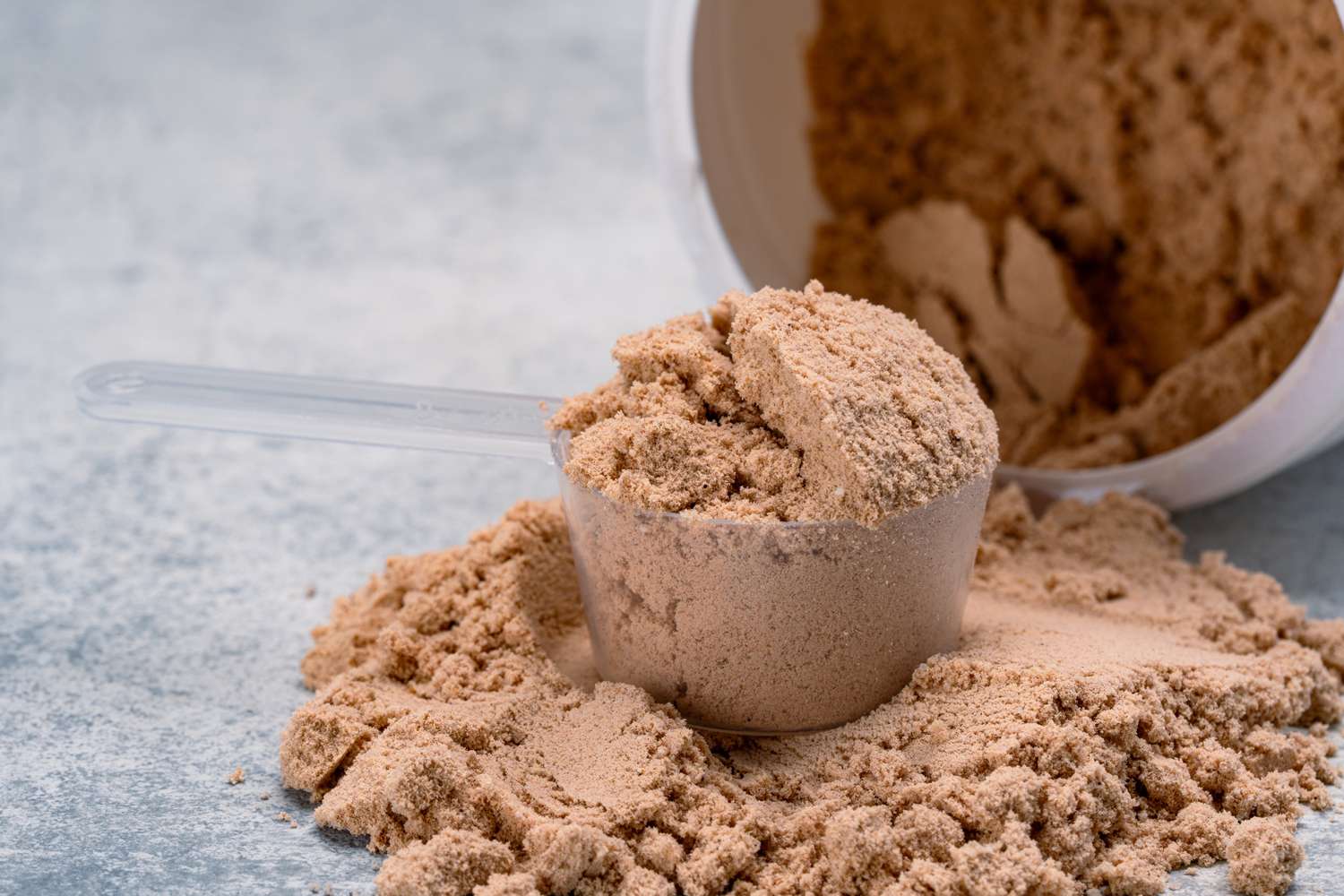
Protein powder can be a convenient way to boost your daily protein intake, but it doesn’t always work well with other supplements. Some combinations can interfere with absorption or increase the risk of side effects.
If protein powder is part of your routine, here are five supplements you may want to keep separate.
1. Iron
Iron is an important mineral the body needs for hemoglobin, a protein in red blood cells. Taking an iron supplement at the same time as protein powder may not be ideal.
Calcium and phytates that are often in protein powder can block iron absorption, according to Theresa Gentile, MS, RDN, CDN, a Brooklyn-based registered dietitian and national media spokesperson for the Academy of Nutrition and Dietetics.
It is best to take iron and protein powder at least two hours apart, Gentile said.
2. Calcium
Many people add protein powder to smoothies that already have calcium-rich ingredients such as milk and yogurt. Because of that, adding a calcium supplement to the mix isn’t always necessary, Gentile said.
Most adults need between 1,000 and 1,300 mg of calcium per day. A single protein smoothie might already get you a third of the daily required calcium. Getting calcium from foods and beverages throughout the day can help prevent excessive intake from supplements, which may interfere with the absorption of other minerals, such as iron.
3. Fiber
Adding more fiber to your diet is a good idea. However, you should prioritize fiber-rich food sources, like fruits, vegetables, and whole grains, over fiber supplements.
People who decide to take a fiber supplement may want to space this out from their protein powder to reduce potential discomfort.
“Fiber slows digestion, which can reduce how well the protein and amino acids from protein powder can be absorbed. Additionally, you’ll likely experience bloating and stomach discomfort when they’re combined,” Gentile said.
4. Pre-workout
If you want to take pre-workout and protein powder together, review the nutrition labels.
“If a pre-workout supplement contains caffeine, beta-alanine, nitric oxide boosters, or extra protein, you could experience jitters, nausea, or bloating,” Gentile said.
5. Creatine
Creatine and protein can help support post-exercise muscle recovery. Some people may experience uncomfortable side effects if they mix these two supplements.
“If using creatine, which is usually just creatine monohydrate, it may cause bloating or diarrhea if combined with protein powder,” Gentile said.
Protein Powder May Cause Stomach Issues
Even if you don’t combine protein powder with other supplements, you may experience some unwanted side effects.
“Watch if your protein powder contains artificial sweeteners, sugar alcohols, sugars, or gums, which could cause bloating and gastrointestinal (GI) distress,” Gentile said.
Keep in mind that protein powders, like all supplements, do not get Food and Drug Administration (FDA) approval before being sold. Some protein powders may have different amounts or types of ingredients than their labels suggest. When selecting a protein powder, look for supplements with third-party testing from organizations like NSF or USP.
How Much Protein Do You Really Need?
Protein powder can help people meet their nutrient needs and athletic goals. However, you should also consume protein from dietary sources like salmon, chicken, Greek yogurt, beans, eggs, and milk.
Most adults need at least 0.8 grams of protein per kilogram of body weight per day. Adding too much protein to your diet is not necessarily beneficial.
“Your body can only use what it needs at one time. Eating more protein than you need, or multiple types, will not help build muscle. It can also stress the digestive system,” Gentile said.
Verywell Health uses only high-quality sources, including peer-reviewed studies, to support the facts within our articles. Read our editorial process to learn more about how we fact-check and keep our content accurate, reliable, and trustworthy.

Thanks for your feedback!
What is your feedback?
Helpful
Report an Error
Other