
Packing school lunch boxes can feel like a daily grind.
You want something quick, something your kids will actually eat, and ideally something that will keep them fuelled and focused through a full day of school.
But here’s the tricky part: many foods people think of as “healthy” lunch box staples might not be as good as you think.
Here’s what to look out for and what to include instead.
Lunch box basics
A balanced lunch box doesn’t need to be complicated. Aim for a mix of:
fruit and vegetables
protein
dairy
wholegrains
This combination helps support steady energy, concentration and stable blood glucose levels across the school day.
The fresher the better, as many processed options are lower in fibre and can come with added sugars, fats, salt and additives.
In reality, most of us rely on a packaged item or two and that’s completely fine. The key is knowing which ones are worth it and which ones aren’t.
READ MORE: Peanut butter vs cottage cheese: which is healthier?
The ‘healthy’ foods to rethink
1. Fruit juice and fruit straps
They might sound like a good option, but these are essentially concentrated sources of sugar without the fibre that whole fruit provides. This can lead to quick spikes and crashes in blood glucose and energy levels.
Better choices: whole fruit like apples, bananas, berries or mandarins.
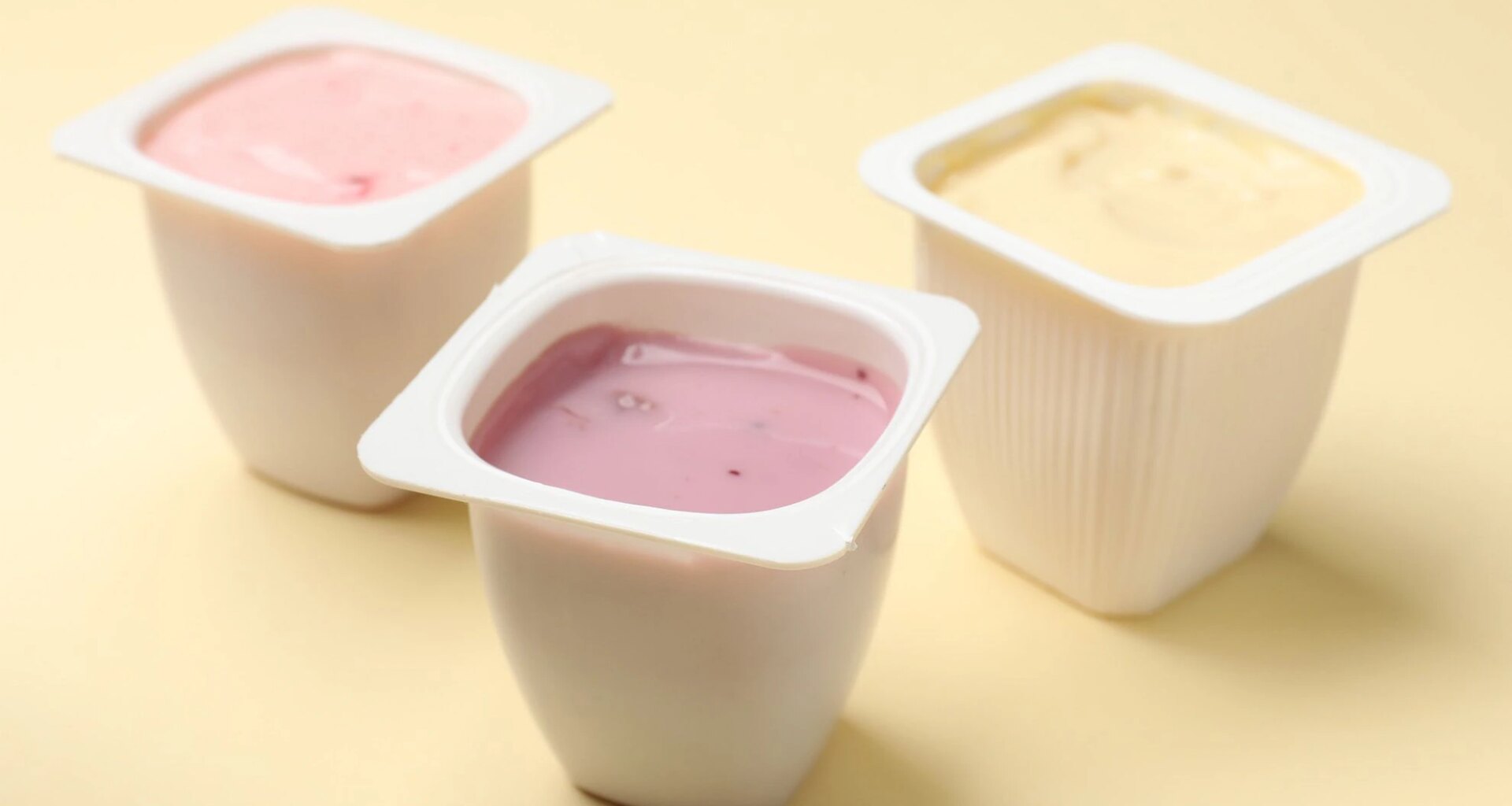
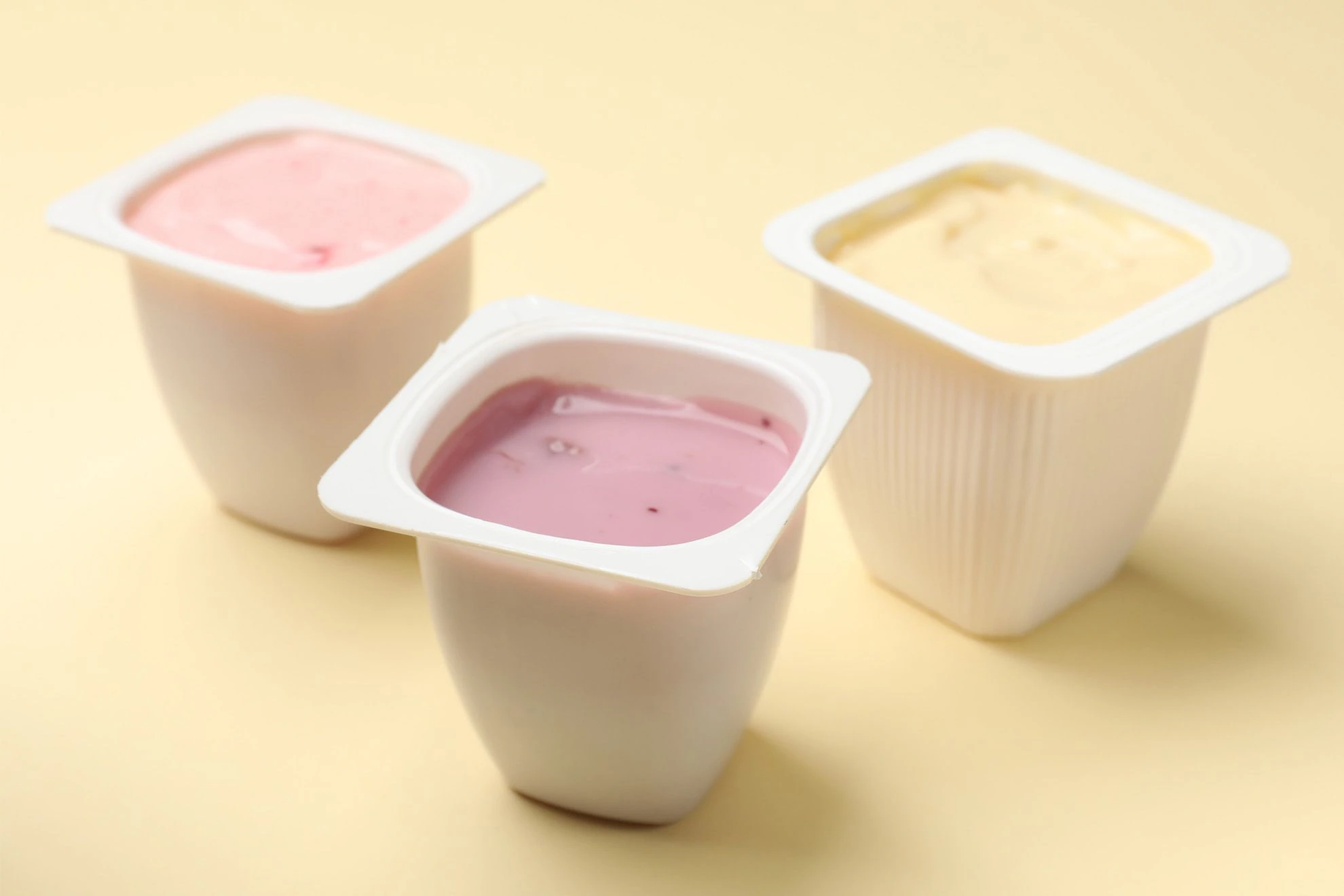
2. Flavoured yoghurts
Yoghurt is a great lunch box addition, and often loved by kids. But many flavoured yoghurt varieties are loaded with added sugars, making them closer to an occasional dessert than a healthy snack.
Better choices: plain or Greek yoghurt, with fresh fruit added for natural sweetness.
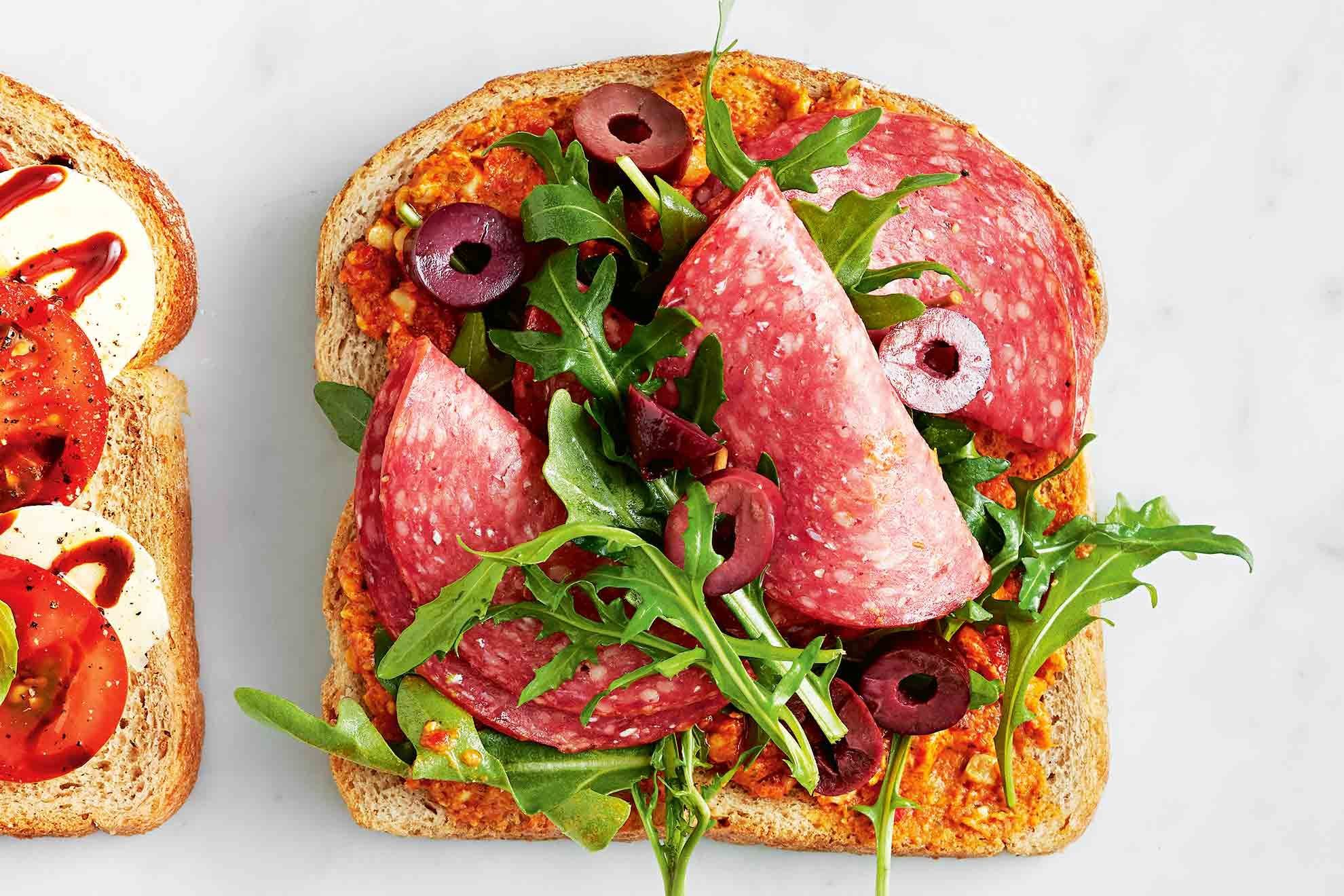
3. Processed meats (such as ham, salami, frankfurts)
Often seen as an easy sandwich filler, these are high in salt and preservatives like nitrates, which aren’t ideal for regular intake, especially for kids.
Better choices: grilled chicken, roast meat, boiled eggs or canned tuna/salmon.
4. Refined crackers and rice snacks
Rice crackers and wafer-style biscuits are often marketed as “light”, “baked” or “healthy”, but they’re typically highly processed with added fats and salts, and are often low in fibre and nutrients, meaning they won’t keep your kids full for long.
Better choices: wholegrain crackers or seeded varieties paired with cheese, hummus or a small tin of tuna/salmon.
5. Muesli bars (the wrong kind)
Not all muesli bars are created equal. Many are high in added sugars, chocolate and syrups, making them closer to a sweet biscuit.
Better choices: oat-based bars with minimal added sugars and simple ingredients.
6. Banana breads and fruit muffins
Essentially these are often nothing more than a cake in disguise, made with refined flours and added sugars that can lead to spikes and crashes in energy levels and poor concentration.
Better choices: Homemade versions using wholemeal flour and real fruit for sweetness, or pair a smaller piece with a source of protein like yoghurt to help balance it out.
RELATED: I tested 3 of our nutritionist’s overnight oats recipes – one is now my go-to breakfast
What to include more of

Fruit and veg
Fresh is best for fibre and nutrients. Think easy, low-prep options like baby cucumbers, cherry tomatoes, apples, plums or bananas – perfect for a mid-morning ‘crunch and sip’ break.
Canned fruit can be useful, just choose options in juice rather than syrup. Dried fruit is fine occasionally, but keep portions small.
Protein
Protein helps keep kids fuller for longer and supports focus in the classroom.
Easy options include boiled eggs, cheese, yoghurt, tuna, chicken or leftover dinner meats.
Dairy
Dairy foods provide calcium for growing bones and teeth.
Milk, cheese and yoghurt are all great choices just aim for lower added sugar options where possible.
UHT milk can be a handy backup that won’t spoil, but be cautious when choosing flavoured varieties, opt for plain milk or compare products to find those with minimal added sugars.
Note: most dairy will require a cool bag and/or ice brick to stay fresh.
Wholegrains
Wholegrain breads, wraps and crackers provide more fibre and longer lasting energy than refined white options.
If your child is open to seeded varieties, even better.
Simple lunch box ideas
Baby cucumbers, carrot sticks and snow peas with hummus
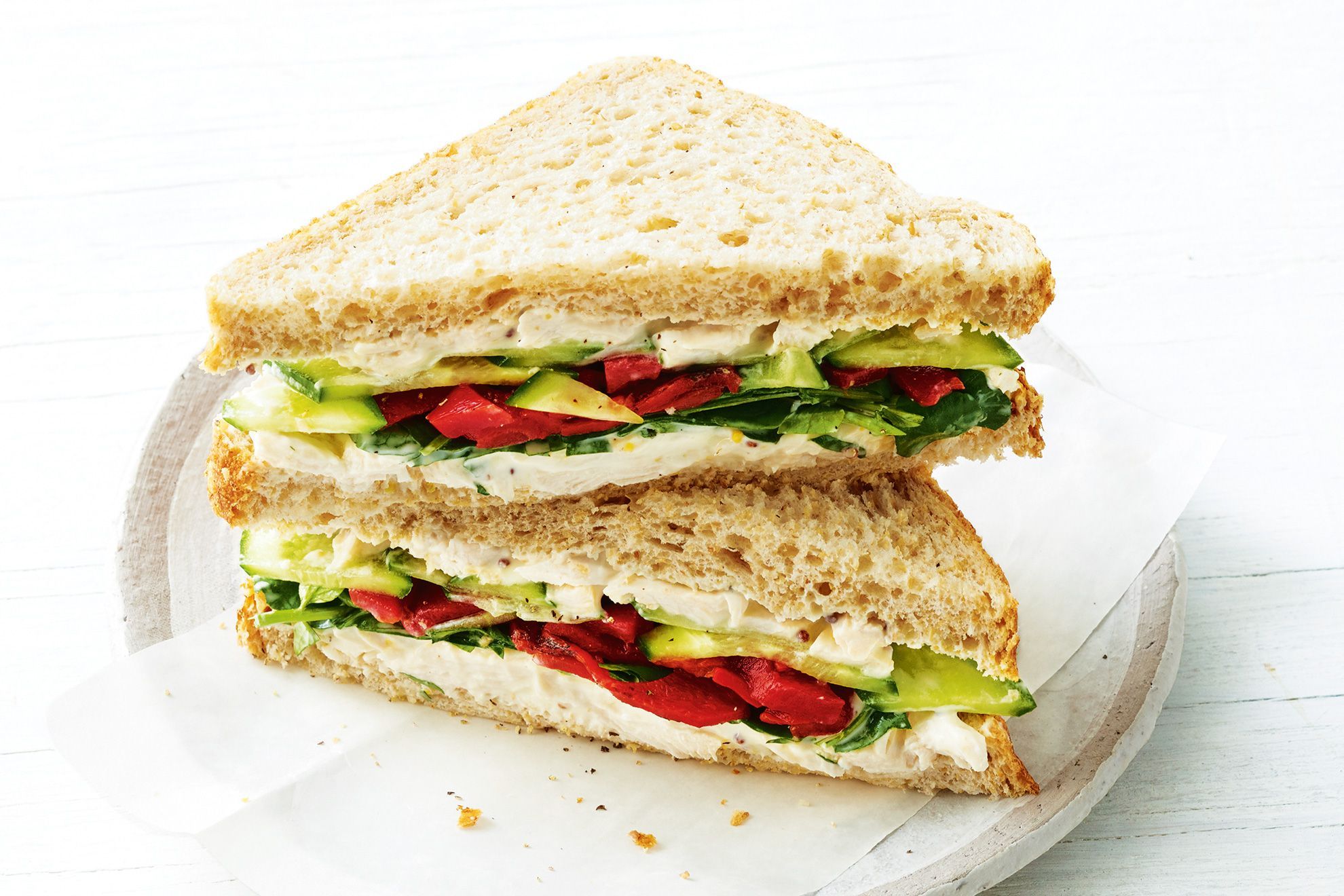
Wholegrain sandwich or wrap with chicken and salad
Corn thins topped with avocado and tuna
Popcorn with a small handful of dried fruit
Boiled eggs
Yoghurt with fresh berries
Brown rice sushi rolls
Edamame beans or roasted chickpeas
Mini vegetable frittata or quiches
The reality check
Lunch boxes don’t need to be perfect.
Focus on including a couple of fresh, nourishing options, then build around that with convenient foods that you know your child will eat.
A balanced approach will always beat a ‘perfect’ lunch box that comes home untouched.
Looking for some healthier lunch box recipes?

READ NEXT: >> Dietitian reveals definitive health ranking of fruits (#1 might surprise you)