
When you buy through links on our articles, Future and its syndication partners may earn a commission.
Credit: Shutterstock
It’s common knowledge in fitness circles, but a lot of people don’t know that the classic sit-up exercise — that staple of gym classes and boot-camp style training — is actually terrible for your back, and most personal trainers and fitness apps are quietly leaving it in the past.
Military organizations, including the US Army Rangers and British Army, are also dropping it from their fitness tests. The age of the sit-up is over — so everyone who was tortured with it at school can breathe a sigh of relief.
The reason? According to a report from Harvard University, sit ups “push your curved spine against the floor and work your hip flexors, the muscles that run from the thighs to the lumbar vertebrae in the lower back”.
“When the hip flexors are too strong or too tight, they tug on the lower spine, which can create lower back discomfort.”
Not only do they recruit muscle in your hips instead of your abs, but having your spine curling and pressing against the floor repetitively can lead to strain and contribute to injury. So, what to replace them with?
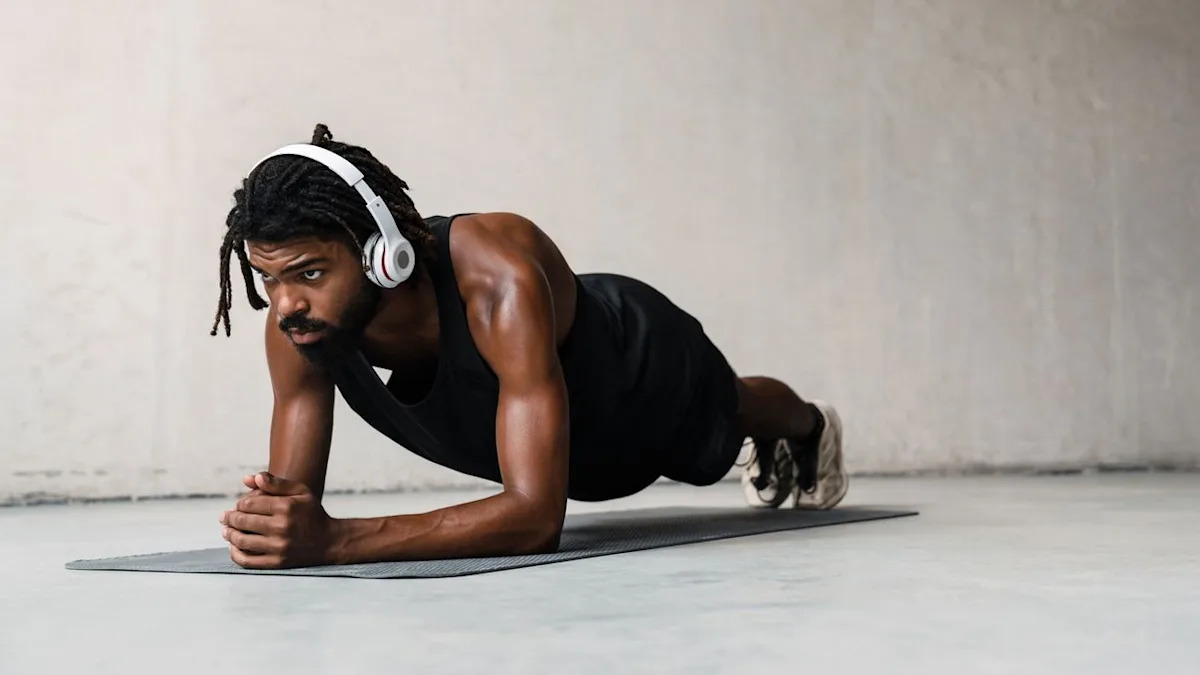
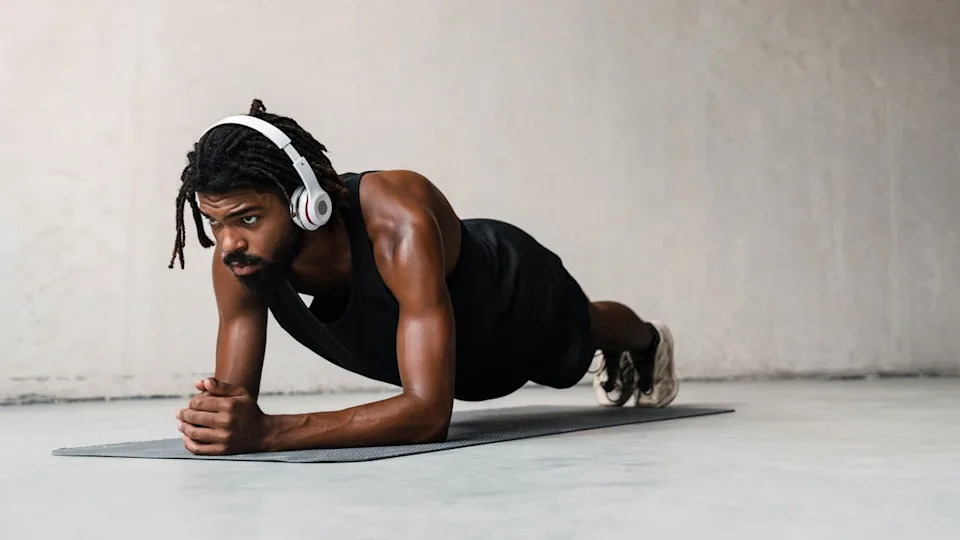
The Harvard report above recommends the plank as a spine-safe alternative, as planks “recruit a better balance of muscles on the front, sides, and back of the body” — however, we can make the plank even more effective.
Adding a little movement to your new corework staple can supercharge the muscles recruited, which is great for your summer six-pack plans.
Introducing the body saw…
What is the body saw?
The body saw is effectively a plank, during which you rock backwards and forwards. Because your body is in a straight plank position, it’s literally a ‘sawing’ motion using your body, hence the name.
Researchers from the University of Waterloo in Canada studied the body saw alongside other advanced ab-focused moves, such as hanging leg raises and walkouts into push-ups, focusing on “which particular muscles were challenged and the magnitude of the resulting spine load” in 14 young men.
The researchers said that although all the exercises produced “substantial abdominal challenge”, the body saw did so “in the most spine conserving way”.
It’s a plank variation made harder with the stability issues involved in adding movement to the hold, recruiting more muscles as you perform the movement while still trying to keep your core tight like a standard plank. If you want to try this advanced move, watch the video, and check out our how-to guide, below.
How to do the body saw
Assume a plank position, with your forearms and toes on the ground. Your palms should be flat.
Shift your body forward so that your shoulders are over your forearms, then back to the start again.
Repeat 10 times for 3-5 sets, or set a timer to do this exercise continuously for a set period of time.
We’ve got loads more fitness content here at TechRadar — if you liked this, you should check out our series of workout-orientated listicles, The Fit List.