
Whether it’s fish oil for better memory or ginkgo biloba for concentration, one in four adults over 50 now take supplements to protect their brain health. But just how effective are these popular pills?
After almost 30 years leading some of the world’s largest clinical trials of dietary supplements, Dr JoAnn Manson, a professor of medicine at Harvard Medical School, is sceptical.
“Following years of rigorous research, I’ve become increasingly cautious about the promises made for many brain supplements,” she says. “They simply haven’t held up in high-quality clinical trials. I don’t believe there’s convincing evidence that most slow down cognitive decline.”
Dr Manson’s verdict comes as two new studies cast doubt on some of the most popular products. A major clinical trial published in eBioMedicine found omega-3 fish-oil supplements failed to improve memory or slow Alzheimer’s-related brain changes.

Dr JoAnn Manson, professor of medicine at Harvard Medical School, has spent decades studying the effects of dietary supplements on health and ageing – Rose Lincoln
A separate study found glucosamine – the popular joint-health supplement once also thought to help protect against dementia – may accelerate the disease in people with Alzheimer’s or mild cognitive impairment.
“We know deficiencies of certain nutrients are linked to cognitive decline and dementia,” says Dr Manson. “The question is whether taking supplements is beneficial if you’re not deficient in the first place.”
Here are the supplements to take and avoid.
MultivitaminsThe best choice
If there’s one supplement Dr Manson recommends for brain health, it’s a daily multivitamin.
“There’s stronger evidence for taking a comprehensive multivitamin and multimineral than almost any other dietary supplement tested for brain health,” she says. “I think of it as nutritional insurance.”
In the landmark Cosmos study (Cocoa Supplement and Multivitamin Outcomes Study) of 5,000 people aged over 60, Dr Manson and her team found a daily multivitamin slowed the rate of cognitive decline by as much as 60 per cent over three years.
“Many older adults are deficient in at least one micronutrient out of the 20 or more vitamins and minerals in a multivitamin,” she explains. “A comprehensive supplement covers all those possible gaps. No single nutrient is likely to be the magic bullet for brain health so, if you take only vitamin C or vitamin B12 and don’t have a deficiency in them, you’re unlikely to see any cognitive benefit.”
A multivitamin is also the safest way to supplement your diet. “Once you start taking high doses of a single nutrient, the potential for harm increases,” says Manson. “Megadosing can interfere with absorption of other micronutrients and some supplements have been linked to liver damage or increased risk of certain diseases.”
The bottom line: If you’re older than 60, it’s worth considering a daily multivitamin, says Manson. “We already know it can lead to a small reduction in cancer risk and all-cause mortality, and now there’s increasing evidence multivitamins can slow cognitive ageing and possibly slow cellular ageing.”
Dr Manson recommends taking a standard multivitamin containing the recommended daily intake of at least 20 vitamins and minerals.
Fish oilThe jury is out
We all know oily fish is good for the brain, but is it worth popping a daily fish-oil supplement too?
Oily fish, such as salmon, sardines and mackerel, are rich in the omega-3 fatty acids DHA and EPA, which are vital for brain function. Higher blood levels of omega-3s in midlife are linked to better cognitive health.
Yet a new trial from Keck School of Medicine found that while high-dose DHA supplementation reached the brain, it failed to improve brain health in older people at risk of Alzheimer’s.
The findings don’t surprise Dr Manson. “Marine omega-3s have been studied extensively for cognitive health but, overall, the evidence has been mixed,” she says. “We looked at this in the Vital trial (the Vitamin D and Omega-3 trial) – a five-year study of more than 25,000 people – and found no clear benefit from taking one gram a day of EPA and DHA for slowing cognitive decline.”
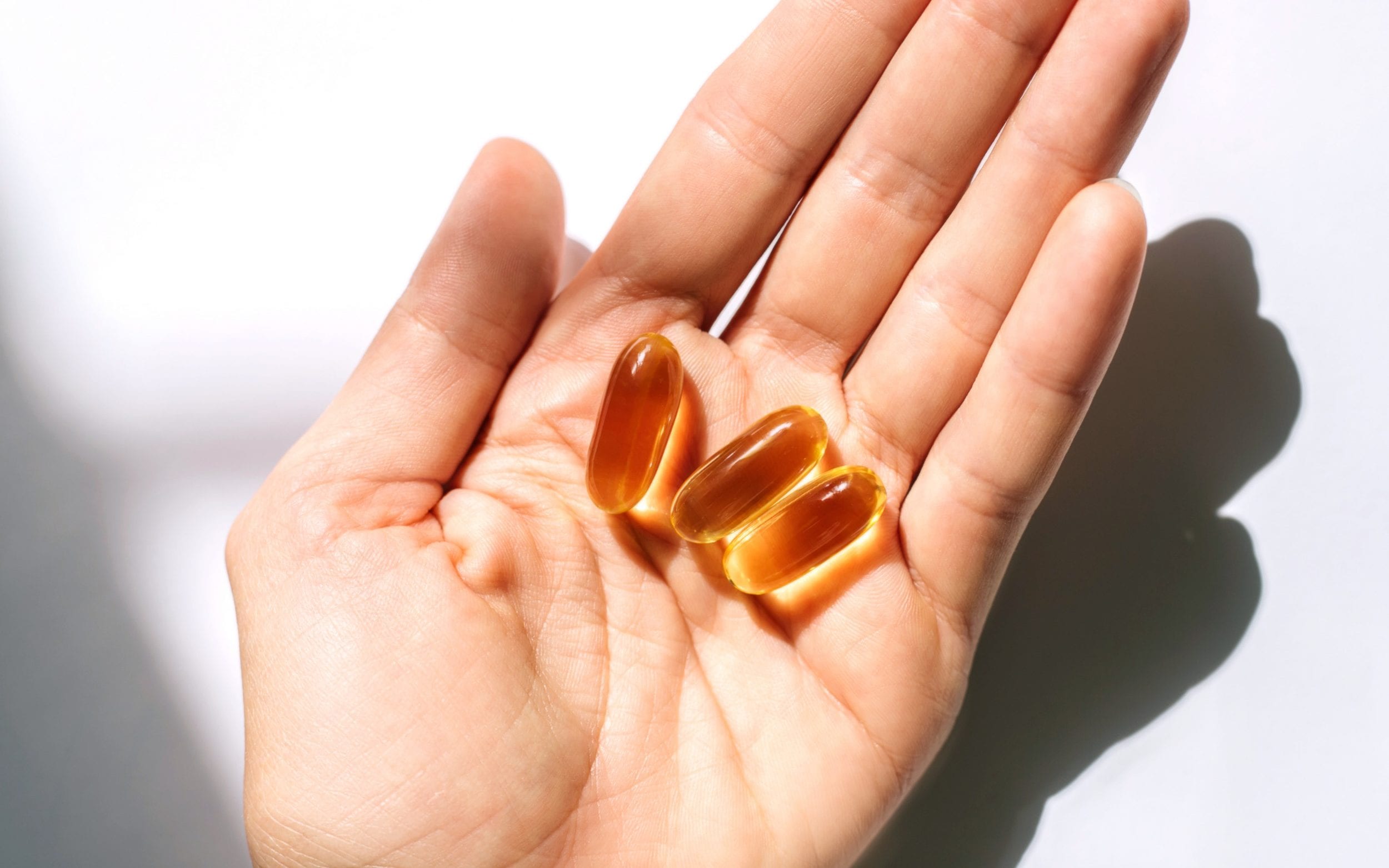
Fish oil supplements contain omega-3 fatty acids DHA and EPA, but recent research has found little evidence they can slow cognitive decline – Evgeniia Siiankovskaia
That doesn’t mean omega-3s aren’t important. “They’re an essential nutrient and there’s good evidence supplements can benefit heart health, particularly in people who eat very little fish,” says Manson. “Heart disease and stroke are closely related to cognitive decline so what’s good for the heart is usually good for the brain. But the benefits are not guaranteed.”
Scientists believe omega-3s may be more effective for brain health when consumed as part of a Mediterranean-style diet which is naturally rich in omega-3s from fish, nuts and dark green leafy vegetables.
The bottom line: Focus on getting omega-3s from your diet rather than relying on a supplement. “I recommend eating two or more servings of oily fish a week as part of a Mediterranean-style diet rich in vegetables, fruit, whole grains, nuts and healthy fats,” says Manson. “Dietary supplements should never be a substitute for a healthy diet.” If you don’t eat fish, or have very little, she recommends a daily supplement containing 1g of marine omega-3s, ideally with a ratio close to 50:50 of DHA.
Vitamin B12Vital if you’re deficient
If you’re struggling with brain fog or poor memory, one of the first things to check is your vitamin B12 level.
“Vitamin B12 deficiency is one of the few, potentially reversible causes of cognitive decline,” says Manson. “Treating a deficiency with supplements can improve symptoms.”
Our body needs vitamin B12 to keep nerve cells healthy and make neurotransmitters, the chemical messengers that allow brain cells to communicate. Chronic deficiency can lead to memory problems, depression and, eventually, brain atrophy.
B12 is found only in animal products or fortified foods, meaning vegetarians and vegans are at greater risk of deficiency. Our ability to absorb it also declines as we get older. According to NHS figures, around one in 20 people aged 65 to 74 and one in 10 people aged 75 and older have B12 or folate deficiency.
Yet, despite the link between low levels of B12 and cognitive decline, clinical studies, including those involving Alzheimer’s patients, haven’t found taking B12 supplements improves cognition in people whose levels are already adequate.
“Some people genuinely need extra B12,” says Manson. “That includes those with pernicious anaemia or who are taking medications such as metformin that reduce absorption. Otherwise, I wouldn’t routinely recommend high-dose vitamin B12 supplements.”
The bottom line: Don’t take B12 in the hope it will sharpen your memory. If you’re suffering symptoms or are at risk of deficiency, ask your GP about a blood test. “For most healthy people, a multivitamin provides sufficient B12,” says Manson. “A healthy diet including meat, fish, eggs, dairy and fortified foods should cover your daily needs. If you’re vegan or eat a largely plant-based diet, consider a B12 supplement, and discuss the dose with your GP.”
Vitamin DOnly if you’ve got low levels
One in six people in the UK have low levels of vitamin D – often called the sunshine vitamin because our bodies make it when sunlight hits the skin.
Not just important for healthy bones, vitamin D also protects our brain health. Low levels have been linked to poor memory and thinking skills and studies suggest deficiency may increase the risk of dementia.
A large trial of more than 1,600 people, in Neurology, found those with moderate vitamin D deficiency were more than 50 per cent more likely to develop Alzheimer’s or dementia. For those with severe deficiency, the risk was 125 per cent higher.
However, that doesn’t mean everyone benefits from taking a high-dose supplement. In the five-year VITAL trial of more than 25,000 people, Dr Manson and colleagues found taking 2,000 IU of vitamin D3 a day failed to significantly slow cognitive decline in adults whose vitamin D levels were already adequate.
“We saw benefits only in those who started out with lower levels,” she says. “That tells us the issue is correcting a deficiency rather thanbenefits from giving everyone extra vitamin D.”
The bottom line: The Government recommends UK adults take a daily 10mcg (400IU) vitamin D supplement during autumn and winter. “People at high risk of deficiency, such as those with osteoporosis, fat malabsorption or who get little sunlight exposure, may benefit from 1000-2000 IU a day,” says Manson. “For everyone else, the evidence for brain health benefits is much less convincing.”
GlucosamineBe cautious
Recent research has raised fresh questions about glucosamine, one of the most popular supplements for joint pain.
A large study from the University of Florida found people with mild cognitive impairment who took glucosamine were 28 per cent more likely to develop Alzheimer’s disease. Among those who already had Alzheimer’s, glucosamine users were 27 per cent more likely to die during the follow-up period.
While the exact reason isn’t yet clear, researchers believe glucosamine, an amino sugar, may disrupt glucose metabolism in the brain.
“While it’s important not to overinterpret a single study, the research raises legitimate concerns,” says Manson. “Given there’s never been consistently strong evidence that glucosamine improves joint problems, I wouldn’t recommend taking it routinely, particularly in people with existing cognitive impairment.”
The bottom line: If you’re taking glucosamine, discuss it with your doctor, advises Dr Manson. “If you’re not seeing any benefit for your joints, consider whether you need to continue it,” she says. “If you have cognitive impairment, it’s probably best to forgo it, unless under the supervision of your doctor.”
Don’t waste your money on these
Many popular brain supplements simply haven’t been tested well enough to justify recommending them, says Dr Manson.
Ginkgo biloba
This herbal remedy is promoted as a brain booster, with claims that it can improve blood flow to the brain and reduce oxidative stress. However, the evidence has proved disappointing. In a six-year trial of more than 3,000 older adults, taking 240mg of ginkgo a day failed to reduce the risk of dementia or cognitive decline. “Ginkgo has produced mixed and inconsistent results and it can increase bleeding risk, particularly in people taking aspirin or anticoagulant medication,” says Manson. “It’s not recommended by most health organisations.”
Curcumin
Curcumin, the active ingredient in turmeric, is prized for its anti-inflammatory and antioxidant properties. Some believe it may protect against Alzheimer’s, but human trials have been small and inconclusive. “I don’t think there’s compelling scientific evidence it slows cognitive decline,” says Manson.
Vitamin E
Once thought to protect against Alzheimer’s because of its antioxidant effects, vitamin E has not shown consistent benefits for preventing cognitive decline or dementia in clinical trials. High doses may also increase bleeding risk and interact with some medicines. “I wouldn’t recommend taking vitamin E specifically for brain health,” says Manson.
Brain-health blends
Pharmacy shelves are packed with products claiming to boost brain power. Yet few have been tested in rigorous clinical trials. “Research on these products is extremely limited,” says Manson. “In general, I wouldn’t recommend them over a standard multivitamin. Protect your wallet by avoiding expensive supplements that haven’t been properly tested.”
What really works
Ultimately, protecting your brain comes down to the fundamentals. “Dietary supplements can never replace a healthy lifestyle,” says Manson. “Eating a healthy diet, staying physically, socially and mentally active and controlling cardiovascular risk factors have far stronger evidence behind them than any supplement.”
“If someone asked me whether to spend £30 a month on supplements or on improving their lifestyle, I’d recommend investing in healthy habits every time,” she says. “Regular physical activity is the real magic bullet for your brain.”