
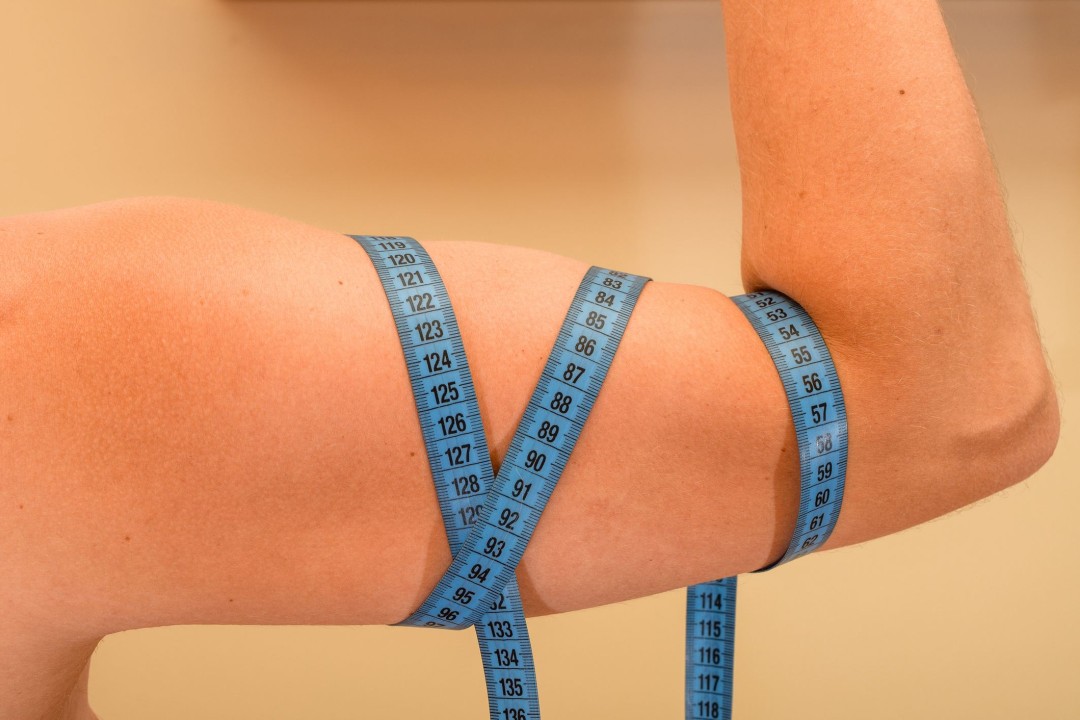
Your biceps may be doing more than helping you lift groceries—they could be helping you dodge infections, too. A study of more than 458,000 adults in the UK suggests that people with lower muscle mass face a greater chance of contracting infections, especially respiratory illnesses and sepsis, a dangerous overreaction to infection, the Washington Post reports. “Our results support the concept that skeletal muscle health is closely linked to immune resilience and infection susceptibility,” said co-author Jinbo Chen of Central South University in Changsha, China.
Researchers sorted participants into three groups for the study, which was published in MedScience: normal muscle, low muscle (pre-sarcopenia), and low muscle plus weakness (sarcopenia). Both low-muscle groups saw more infections than those with healthier muscles, even after accounting for age, income, and other health issues. Younger adults with sarcopenia were hit hardest, hinting that early muscle loss may signal deeper health problems. Scientists say chronic inflammation, poor nutrition, and weakened immune responses that often accompany sarcopenia may help explain the pattern.
One expert listed warning signs for loss of muscle mass for Newsweek: taking longer to climb stairs, struggling to open jars or carry luggage, walking more slowly, finding it tougher to get out of a chair without using your arms. The study can’t prove that losing muscle causes infections, but experts say it adds to evidence that muscle is central to “immune resilience.” For now, the advice is that regular strength training—about two full-body sessions a week—along with vaccinations, good hygiene, and managing chronic conditions may help keep both muscles and infections in check, even well into older age.