Whether you’re struggling with hair loss or simply want thicker, shinier hair, the best hair growth vitamins are probably already on your radar. According to Dr Hardik Doshi, lead hair transplant surgeon at Ample, it’s important to understand that hair loss can be triggered by a variety of factors, including nutritional deficiencies and postpartum changes.
Related: The most important vitamins for healthy, strong hair, according to doctors
“The initial approach should involve addressing any potential nutritional deficiencies through a balanced diet rich in essential vitamins and minerals, to support overall health, encourage hair growth and prevent excessive shedding,” Dr Doshi explains to Vogue. Although a consistent haircare routine and looking after scalp health play important supporting roles in this process, supplements can offer more targeted support.
“If you’re considering supplements, it’s advisable to consult a healthcare professional to assess your needs, potential risks and possible interactions with existing medical conditions or medications,” says Dr Doshi.
What are hair growth vitamins, and do they really work?
Hair growth is a highly complex process that depends on each individual’s circumstances and often requires a multifaceted approach. According to Dr Gordon, “[the best hair growth vitamins] are certainly beneficial, and if you’re deficient in certain amino acids, omega fatty acids or other vitamins, they’re essential for providing the body with the basic building blocks it needs for hair growth.”
Many hair growth gummies and capsules also contain botanical extracts and other natural ingredients that may mimic the effects of certain pharmaceutical hair growth treatments, offering alternative ways to stimulate growth. Some may also help address hormonal changes, stress and other health concerns.
However, as Vitti explains, taking larger quantities of micronutrients doesn’t always lead to more hair growth, for two main reasons: first, the body eliminates what it cannot use, and second, people with digestive issues may struggle to absorb nutrients properly. Results also take time, sometimes as long as three to six months before noticeable changes appear.
It can also be incredibly difficult to remain caught in a cycle of stress and hair loss (which creates even more stress), so it’s important to consider your overall health and wellbeing if you decide to incorporate these vitamins into your routine.
Which vitamins and ingredients are good for thinning hair?
According to Dr Gordon and Dr Kim, some of the most common deficiencies associated with hair loss include iron and vitamin D, as well as B vitamins and amino acids (proteins). Some of the ingredients they recommend include:
Saw palmetto: This natural blocker of dihydrotestosterone (DHT), a hormone that plays a significant role in hair loss, is considered an effective ingredient, although it’s important to discuss its potential benefits and drawbacks with your doctor.
Ashwagandha: An antioxidant known for helping to reduce stress, which has been shown to support hair growth and reduce breakage.
Tocotrienol: May increase hair density.
Curcumin: Known for its potential to reduce levels of dihydrotestosterone, which is associated with hair loss.
Collagen: Although there is still no definitive conclusion about its effectiveness, anecdotal evidence and research suggest that collagen supplements may encourage hair growth, improve hair strength and benefit the skin and nails.
Biotin: Once celebrated as the ultimate hair growth vitamin, biotin has recently fallen somewhat out of favour due to a lack of robust scientific evidence. It’s generally unlikely to cause harm, but high doses may contribute to acne or interfere with certain laboratory test results.
Minoxidil: “Minoxidil is a topical treatment that stimulates hair follicles and extends the growth phase of the hair cycle,” explains Dr Kim. It’s widely used for androgenetic alopecia (hereditary hair loss) and can encourage regrowth in some people. However, it must be used continuously, as stopping treatment can lead to renewed hair loss.
Zinc: Dr Kim points out that zinc helps maintain the sebaceous glands surrounding hair follicles, ensuring that they function properly. It also plays a role in the production of DNA and RNA, which is essential for follicle health. Adequate zinc levels may help prevent shedding and support healthy hair growth.
Omega-3 and omega-6 fatty acids: Dr Kim emphasises that omega-3 fatty acids, particularly EPA and DHA found in fish oil, have anti-inflammatory properties that may help open up hair follicles and encourage growth. They also nourish the hair, improving elasticity and shine. Omega-6 fatty acids, particularly alpha-linolenic acid, are essential for healthy skin and hair. They help maintain the scalp’s protective barrier, retain moisture and reduce inflammation. A healthy scalp is crucial for strong hair growth.
Vitamin A: According to Dr Kim, vitamin A is essential for cell growth, including the cells involved in hair production. It also helps the scalp produce sebum, the natural oil that moisturises the scalp and keeps hair healthy. However, excessive vitamin A intake can cause hair loss, so balance is essential.
Vitamin C: Dr Kim notes that vitamin C is a powerful antioxidant that helps protect hair follicles against oxidative stress. It’s also essential for collagen production, which strengthens the hair’s structure.
Vitamin D: As previously mentioned, vitamin D helps support the formation of new hair follicles and may prevent thinning and hair loss. Sunlight is a natural source of vitamin D, but supplementation is often necessary when levels are deficient.
Who should take these supplements, and what’s the best way to use them?
According to Vitti, if you feel that your daily caffeine consumption, medication use, alcohol intake, menstrual cycle or periods of intense stress, dieting or demanding exercise are depleting your body’s micronutrient levels, taking supplements may be particularly helpful in replenishing them.
Nevertheless, most people can take many of these supplements. Ideally, there should be different formulations tailored to sex, age and other factors. If you’re trying to conceive or are pregnant, particular care should be taken with certain ingredients, some of which should be avoided, warns Dr Gordon.
Which vitamin deficiencies can cause hair loss?
According to Dr Gordon, vitamin D and B vitamin deficiencies are among the most common in people experiencing hair loss. Although these deficiencies aren’t always the direct cause, these nutrients provide essential building blocks for hair growth. “Other important laboratory tests to consider include a full blood count to rule out anaemia, as well as thyroid function tests, among others,” she adds.
According to Dr Kim, several nutritional deficiencies are associated with hair loss, including:
Iron deficiency: “Iron is essential for producing red blood cells, which carry oxygen to the hair follicles,” says Kim. A deficiency can lead to thinning and even hair loss. Iron deficiency is particularly common in women due to blood loss during menstruation, making it one of the most frequent nutritional deficiencies associated with hair loss. Maintaining adequate iron levels through diet or supplementation can help support healthy hair growth. Good sources include red meat and leafy green vegetables such as spinach.
Vitamin D deficiency: Vitamin D plays a role in the formation of new hair follicles, and a deficiency may result in slower hair growth or hair loss, Kim explains. “It’s best to get natural sunlight so the body can produce vitamin D itself. Take a brisk walk early in the morning or later in the day and aim for 15 to 20 minutes of sun exposure,” she advises. She also recommends oral vitamin D supplementation, noting the importance of magnesium in helping the body convert vitamin D into its active form.
Zinc deficiency: Kim explains that zinc is essential for tissue growth and repair, including hair. “Low zinc levels can lead to hair thinning or loss.”
Biotin deficiency: Biotin (vitamin B7) supports the production of keratin, the protein that forms the structure of hair. “A deficiency can cause brittle hair and hair loss,” says Kim.
Protein deficiency: Hair is primarily made up of protein. “Inadequate protein intake can weaken hair and cause it to fall out,” warns Kim.
Iodine deficiency: “Iodine deficiency can cause hair loss because iodine is an essential mineral needed to produce thyroid hormones, which regulate numerous bodily functions, including hair growth,” explains Kim. When iodine levels are low, the thyroid cannot produce enough hormones, leading to a condition known as hypothyroidism. Ensuring adequate iodine intake through diet (or supplementation, if necessary) is important for maintaining healthy thyroid function and preventing hair loss associated with iodine deficiency.
Are there any side effects to watch out for?
“There are always potential side effects,” says Dr Gordon, emphasising the importance of sourcing botanical ingredients from reputable, trustworthy suppliers because research remains limited. Although many plant-based ingredients target dihydrotestosterone, potentially leading to side effects associated with low testosterone levels, such cases are generally rare.
Excessive biotin intake can cause acne and should be discontinued before certain blood tests to avoid interfering with laboratory results. Iron supplements can cause constipation, while collagen may trigger diarrhoea or gastrointestinal discomfort in some people.
How long does it take for hair growth vitamins to start working?
“Hair growth is a slow process, with hair growing an average of around 1.25 cm per month,” explains Kim. Hair growth vitamins, which often contain biotin, vitamin D, zinc and other nutrients, are designed to support the natural hair growth cycle.
However, results can vary depending on factors such as genetics, digestive absorption issues, hormonal conditions (such as PCOS), reduced thyroid function, diet and lifestyle habits, including stress. Despite these challenges, Kim notes that, with the right approach, some people may begin noticing improvements in hair texture and reduced shedding within a few weeks, while more substantial growth and thicker hair may take three to six months.
As with any form of supplementation, consistency is key: “Stopping supplements or failing to address underlying issues such as hormonal imbalances and gut health can quickly undo the progress made towards healthy hair growth,” warns Kim.
How do you choose the right hair growth vitamin for you?
Don’t worry too much about whether your hair growth supplement comes in the form of soft capsules, tablets or gummies. What really matters is choosing a product tailored to your specific needs. According to Dr Song, the first step is identifying possible causes of hair thinning, such as nutritional deficiencies, stress or hormonal imbalances.
“Look for a balanced blend of ingredients, such as a multivitamin containing vitamin D, zinc, omega-3 fatty acids and iron,” she advises. Vitamin E is also beneficial, as it promotes circulation and stimulates hair follicles, helping to improve hair density.
If you’re unsure about the underlying cause of your hair loss, it’s essential to consult a healthcare professional for personalised advice, particularly when potential nutritional deficiencies are involved. When choosing a product, always opt for reputable, established brands registered with the FDA and supported by high-quality clinical evidence.
When should you see a doctor about hair loss or thinning?
In general, everyone experiences some degree of hair loss over time. “It’s normal to lose up to 100 hairs a day,” says Dr Song. However, she advises seeking medical advice if hair loss is sudden or excessive, such as when hair falls out in clumps, bald patches appear or thinning becomes particularly noticeable in certain areas of the scalp.
Scalp symptoms such as itching, pain or flaking can also contribute to hair loss and may require medical treatment. It’s also important to see a doctor if thinning hair is accompanied by general symptoms such as fatigue or weakness, as laboratory tests may be needed to identify possible underlying health problems.
Dr Song also points out that if you’ve tried your own treatment regimen without seeing any improvement after three to six months, it’s time to arrange a dermatological consultation.
Once a specialist has identified the underlying cause and given you the go-ahead to use a supplement as part of your treatment, you can find an option suited to your needs among the expert-recommended formulas below.
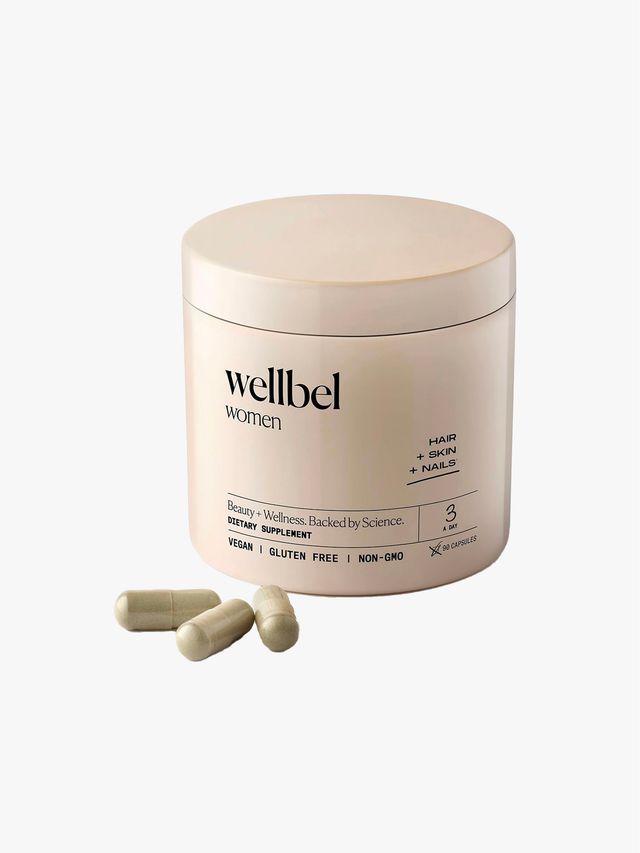
Best for digestion: Wellbel Vegan Hair Growth Supplement
Why we love it: According to Alisa Vitti, a specialist in functional nutrition and women’s hormonal health, Wellbel’s plant-based blend contains botanicals such as saw palmetto, which may be particularly beneficial for women experiencing androgen-related hair loss. However, what sets this supplement apart is the inclusion of betaine HCl, which helps with protein absorption in people with low stomach acid.
This condition is more common than many people realise and can be an underlying cause of various symptoms, including peeling nails, poor hair growth, anxiety, difficulty digesting meals containing animal protein, burping and bloating after eating, as well as increasing sensitivities to certain foods. “If you suspect you have low stomach acid, Wellbel could be a good choice,” says Vitti.
How to use: Take three capsules once daily.
When to expect results: Visible results within 90 days.
Key ingredients: Saw palmetto fruit extract; nettle leaf; PABA; betaine HCl.
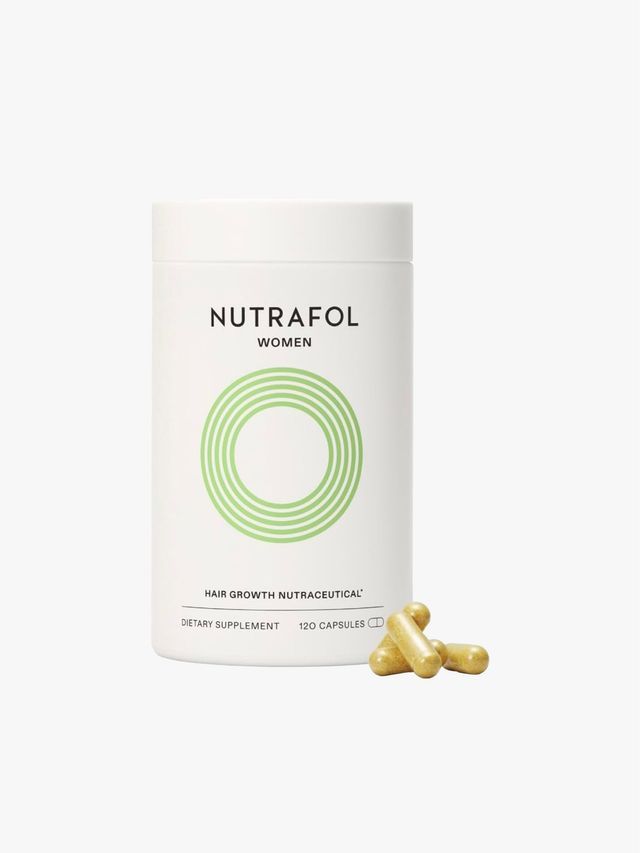
Best overall: Nutrafol Hair Growth Vitamins
Why we love it: When it comes to hair growth, Nutrafol is almost always mentioned, as it’s recommended by many leading dermatologists. “Nutrafol is plant-based and backed by science. It provides the essential building blocks for hair growth while also addressing other systems in the body that affect hair health and overall wellbeing,” says board-certified dermatologist Dr Jennifer Gordon.
There are several formulations tailored to men, women and different age groups and life stages, including the postpartum period. The women’s formula has been clinically tested to provide the necessary vitamins, minerals and natural ingredients that may benefit women aged 18 to 44 experiencing thinning hair.
How to use: Take four capsules once daily.
When to expect results: Visible results within three to six months.
Key ingredients: Saw palmetto; ashwagandha; organic maca root.
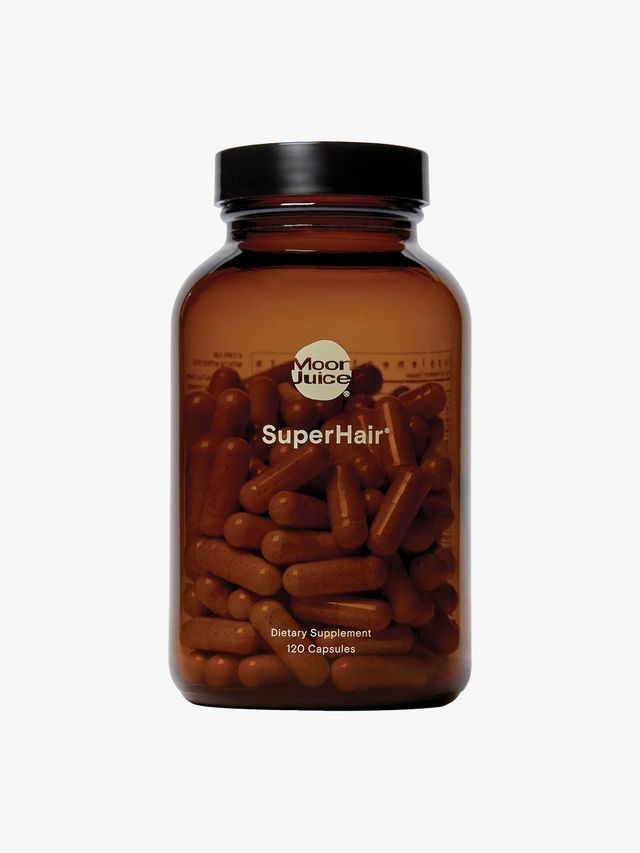
Best with ashwagandha: Moon Juice SuperHair Vitamins
Why we love it: We asked board-certified dermatologist Dr Teresa Song for her hair growth recommendations, and she pointed us towards Moon Juice. “It contains a multivitamin complex as well as adaptogens for stress reduction, such as ashwagandha and ginseng,” she explains.
Although the exact formula is proprietary, the brand states that it includes bioavailable and bioactive vitamins A, B, C, D, E and K, which help address potential nutritional deficiencies. It’s also designed to help balance stress hormones, a much-needed benefit in today’s fast-paced world.
How to use: Take four capsules daily.
When to expect results: Visible results may appear in as little as four weeks.
Key ingredients: Multivitamin complex; ashwagandha; ginseng; horsetail; saw palmetto.
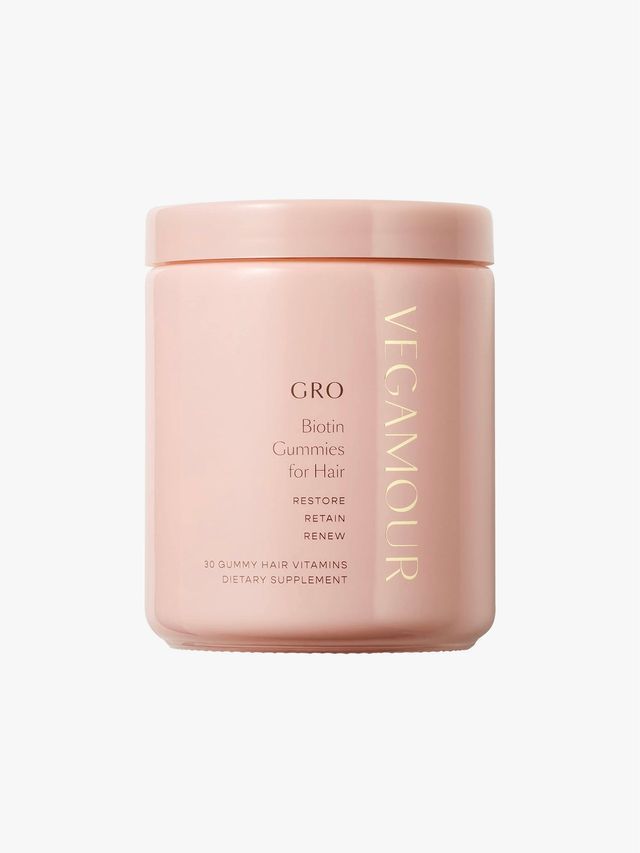
Best gummies: Vegamour Biotin Supplement
Why we love it: Vegamour’s shampoos, conditioners and styling products are already among our favourites for promoting healthy hair, and the brand also offers supplements in gummy and powder form. According to Dr Gordon, these biotin gummies are “natural, vegan and contain MCT oil, which is excellent for reducing stress and has antioxidant properties. They’re easy to take (just once a day) and formulated as a clean product.”
They also have a strawberry flavour, making them an excellent choice for anyone who prefers a tasty gummy supplement to tablets or capsules.
How to use: Take one gummy daily.
When to expect results: Visible results within three to four months.
Key ingredients: Biotin; folic acid; vitamins A, B5, C, E, B6 and B12.
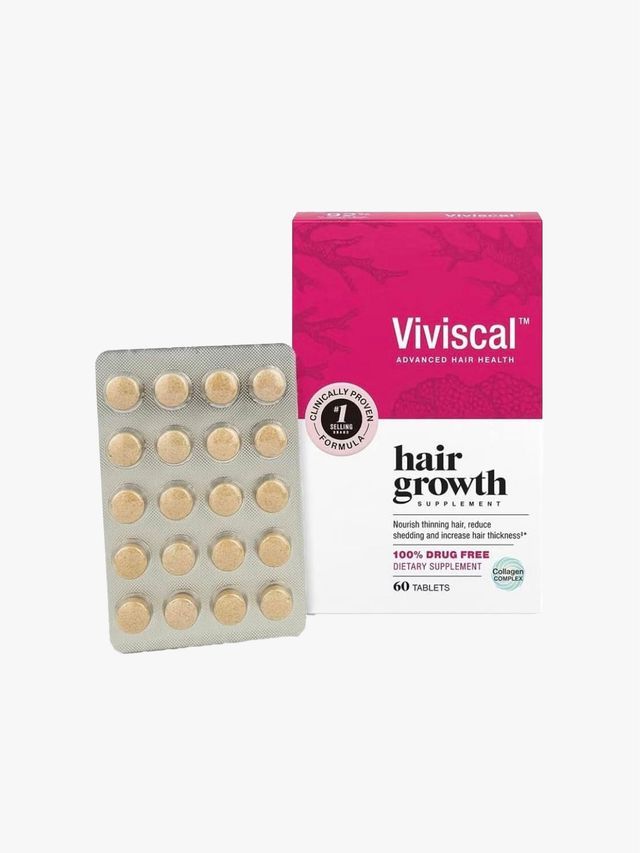
Best for hair restoration: Viviscal Hair Growth Supplements
Why we love it: Viviscal hair growth supplements are known for their potent combination of minerals, vitamins and essential nutrients believed to encourage hair growth. Dr Doshi explains: “Ingredients such as biotin, iron, zinc, vitamin C and the marine protein complex found in Viviscal are considered beneficial for hair health.” Clinical studies have also been conducted to support claims of thicker, fuller hair.
How to use: Take two tablets daily.
When to expect results: After 90 days of consistent use.
Key ingredients: Zinc; vitamin C; iron; niacin.
Best probiotic supplement: Love Wellness Healthy Hair Probiotics
Why we love it: Not only is this supplement rich in probiotics, but it also contains vitamins B12 and B6, along with everyone’s favourite, biotin. Although more research is needed to fully understand the role of probiotics in combating hair loss, this probiotic formula includes AnaGain Nu, a clinically tested protein designed to address the underlying causes of hair shedding, including hormonal factors, environmental influences, stress-related hair loss and other triggers.
How to use: Take one capsule daily, with or without food.
When to expect results: After four to eight weeks of daily use.
Key ingredients: Vitamin B12; vitamin B6; biotin.
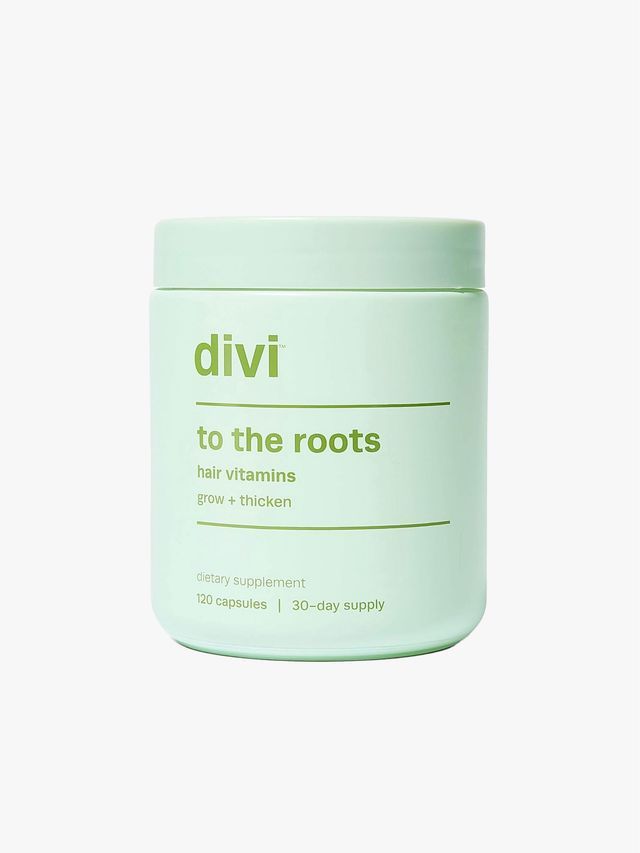
Best for stress-related hair loss: Divi Hair Vitamins
Why we love it: Sometimes, strengthening your hair and improving its health takes more than collagen powder and wishful thinking. That’s where Divi Hair Vitamins come in, with a blend of KSM-66 ashwagandha root extract, an arginine silicate complex and magnesium biotinate to support hair health. And if you’re particularly mindful about what you put into your body (which is completely understandable!), these vitamins are free from dairy, eggs, fish, shellfish, tree nuts, peanuts, sesame, wheat and gluten.
How to use: Take four capsules daily with a meal.
When to expect results: After 90 days of consistent use.
Key ingredients: KSM-66 ashwagandha root extract; arginine silicate; magnesium biotinate.
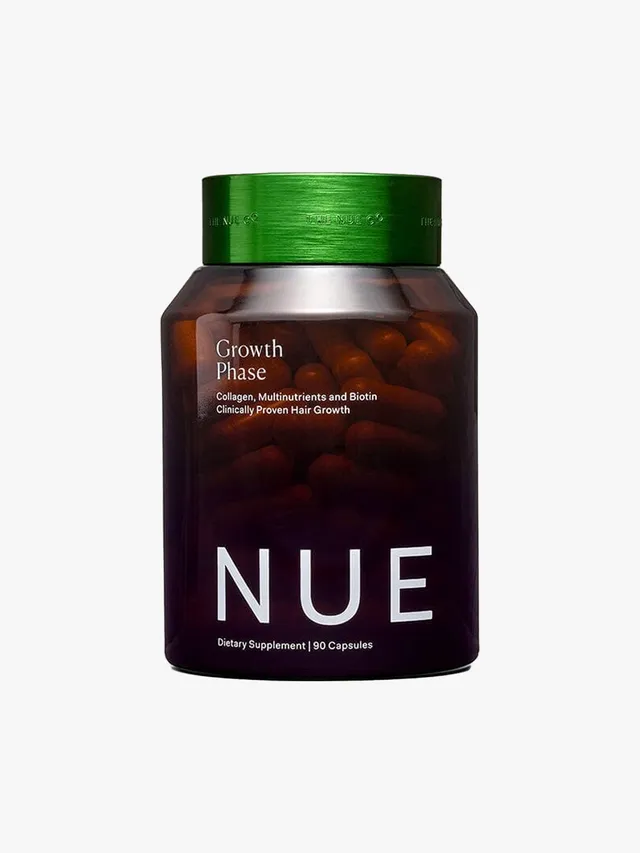
Best for hair shedding: The Nue Co. Growth Phase Hair Supplement
Why we love it: Clinically tested and shown to improve hair growth by 40%, this supplement from The Nue Co. contains a blend of vitamins, botanical extracts and BiovaBio, an extract derived from chicken eggshell membrane. According to Dr Gordon, BiovaBio is believed to help reduce hair breakage and shedding while strengthening the hair itself. “The botanical extracts they use, such as reishi mushrooms, contain adaptogens that help reduce stress. Combined with vitamins, they support healthy hair growth,” she explains.
Results don’t appear overnight, and it can take up to four months before visible changes become noticeable. However, the reduction in hair shedding and breakage makes the wait well worth it.
How to use: Take three tablets every morning with food.
When to expect results: Visible results after four months.
Key ingredients: Growth complex; folate; biotin.
Best with biotin: Grande Cosmetics Vegan Collagen Gummies
Why we love it: These vegan collagen gummies, shaped like adorable pink hearts, aren’t just visually appealing. They’re also exceptionally tasty, making them a pleasure to take. They’re primarily formulated with biotin (vitamin B7) and collagen, which, according to Dr Doshi, “may improve skin condition and contribute to healthier hair”.
However, he warns against exceeding the recommended daily dose. “Although biotin contributes to healthy hair and nails, excessive intake provides no additional benefits beyond meeting the body’s basic requirements.”
How to use: Take two gummies daily, with or without food.
When to expect results: After 45 days.
Key ingredients: Biotin; folic acid; vitamin C; zinc.
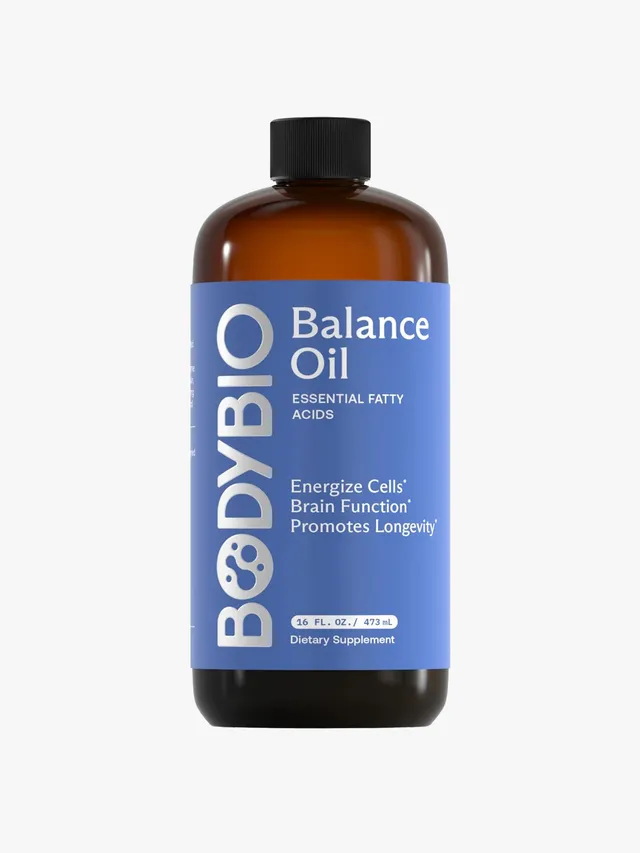
Best oil: BodyBio Balance Oil
Why we love it: A favourite of Dr Kim, BodyBio is a health and wellness company specialising in high-quality supplements designed to support cellular health, with a particular focus on maintaining the integrity of cell membranes. Its Balance Oil is especially appealing to people who have difficulty swallowing tablets or want to avoid the sugar found in gummy supplements.
It’s also ideal for anyone looking for a supplement that not only improves the appearance of their hair and skin (which it really does), but also supports cellular health, the brain, mood and heart. There’s no need to keep an entire pharmacy at home when one product offers so many benefits. Its secret lies in a unique combination of omega-3 and omega-6 fatty acids, including DHA and EPA.
“Omega-3 fatty acids, particularly EPA and DHA found in fish oil, have anti-inflammatory properties that may help open up hair follicles and stimulate growth,” says Dr Kim.
How to use: Take ½ teaspoon daily with a meal.
When to expect results: Not specified.
Key ingredients: DHA; omega-6; omega-3; flaxseed oil; safflower seed oil.
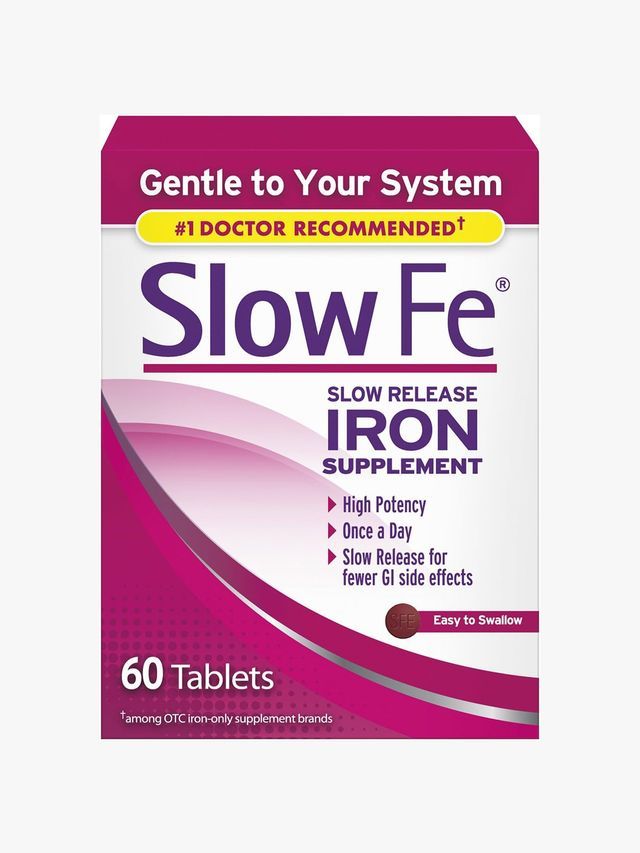
Best for iron deficiency: Slow Fe Iron Supplement
Why we love it: Board-certified dermatologist Dr Pooja Rambhia explains that iron is essential for transporting oxygen to hair follicles. Low iron levels, particularly in premenopausal women, are a common cause of hair thinning and increased shedding, which can be identified through ferritin levels (the body’s iron stores). “Addressing iron deficiency can help restore hair density and improve growth,” she says, recommending Slow Fe as her favourite over-the-counter iron supplement.
This supplement contains a slow-release form of iron (ferrous sulphate), which is gentler on the digestive system. “The slow-release mechanism helps minimise irritation and constipation, making it a more tolerable option for people with sensitive stomachs.”
How to use: Take one tablet daily.
When to expect results: Visible results within three to four months.
Key ingredients: Iron.