
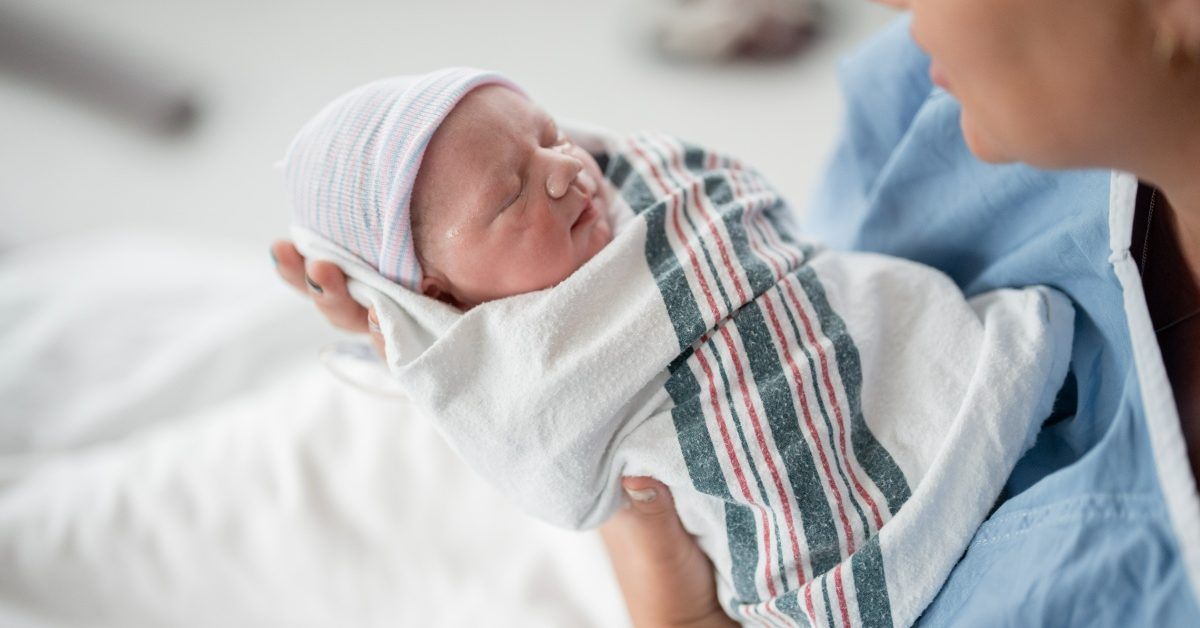
Vitamin K shot refusal rates among U.S. newborns more than doubled from 3.1% in 2017 to 6.8% in 2025, while cases of vitamin K deficiency bleeding nearly quadrupled during the same period.Infants who don’t receive the vitamin K shot have a 47% higher risk of bleeding and more than twice the risk of intracranial bleeding, which can be fatal. The shot reduces the risk of late-onset bleeding by approximately 98%.The vitamin K shot is a nutrient injection, not a vaccine, and experts attribute rising refusal rates to vaccine hesitancy, conflicting public health messaging, and medical distrust fueled by misinformation on social media.
Two large studies published on November 5 link declining newborn vitamin K shot rates to a sharp increase in infant bleeding cases, including potentially fatal brain hemorrhages.
A research letter, published in JAMA Pediatrics, analyzed data on approximately 11 million infants from 2017 to 2025 and found that vitamin K administration declined from 97.7% to 95%, while cases of vitamin K deficiency bleeding (VKDB) nearly quadrupled.
A second study published in JAMA, based on data from 5.2 million U.S. infants, found that refusal rates more than doubled, rising from 3.1% in 2017 to 6.8% in 2025. Infants who did not receive the shot had a 47% higher risk of bleeding and more than twice the risk of intracranial bleeding.
Additionally, new data from Truveta suggest the trend is continuing: refusals of vitamin K shots increased by 57% between January and June 2026, rising from 5.2% to 8.1% of newborns.
Vitamin K is essential for blood clotting, and newborns naturally have very low levels. Without the preventive injection, infants are at risk for VKDB, which can cause sudden bleeding in the brain, gastrointestinal tract, and other organs. Late-onset VKDB can occur up to six months after birth, often without warning signs, and may be fatal.
The shot is not a vaccine; it is a nutrient injection that helps prevent dangerous bleeding. A single dose reduces the risk of late-onset VKDB by approximately 98%.
Experts not involved in the studies attribute the rise in refusals partly to broader vaccine hesitancy and mixed public health messaging.
“The decision to vaccinate a newborn or allow a vitamin K injection at birth is complex, with multiple factors playing a role in the ultimate decision,” said Graham Tse, MD, a pediatrician and chief medical officer of MemorialCare Miller Children’s & Women’s Hospital in Long Beach, CA.
Some of these factors, Tse said, include conflicting messages from federal health agencies such as the Department of Health and Human Services (HHS) and the Centers for Disease Control and Prevention (CDC), both overseen by HHS Secretary Robert F. Kennedy, Jr., an outspoken critic of the childhood immunization schedule.
The vitamin K shot is not a vaccine, yet RFK Jr. has declined to reassure parents about its safety, despite the CDC’s current recommendation to administer it at birth.
Additionally, growing medical distrust among parents has led to refusal of routine newborn care, such as the vitamin K shot, Reuters reports.
Healthline spoke with Tse to learn more about the risks of refusing the vitamin K shot and what new or expectant parents should know about this routine newborn treatment.
This interview has been lightly edited and condensed for clarity and length.
Tse: The decision to vaccinate a newborn or allow a vitamin K injection at birth is complex, with multiple factors playing a role in the ultimate decision.
A contributing factor to the decline in vitamin K injection at birth, as well as in newborn hepatitis B vaccination, is the conflicting messages from the Department of Health and Human Services (HHS), and the Centers for Disease Control and Prevention (CDC).
Recommendations from these entities and others are conflicting or do not align with established, research-based, and proven recommendations from organizations such as the American Academy of Pediatrics (AAP) and the Infectious Diseases Society of America.
When there are conflicting recommendations, it creates confusion and doubt among parents about what the best or right choice is for their child.
As well, there is so much misinformation on the internet, among influencers, and on social media that it is difficult to know what information is accurate, well-researched, and proven, versus what may be just someone’s opinion or belief.
Some are mistaking the vitamin K injection at birth for a vaccination, which it is not. Ultimately, all these factors are contributing to parents declining or delaying vitamin K injections at birth.
Tse: Declining the newborn vitamin K injection puts the newborn at significant risk of serious and life threatening complications from vitamin K-deficient bleeding (VKDB). This was previously referred to as hemorrhagic disease of the newborn.
VKDB can be as mild as bruising of the skin but can be as serious as bleeding into the brain, and newborns and infants can die from VKDB.
Declining vitamin K injection at birth is significant because of the serious and potentially life threatening consequences of deficiency of Vitamin K and not being able to clot the blood.
The vitamin K injection at birth is highly effective at preventing VKDB.
Tse: If a neonate or infant has vitamin K deficiency, the ability to clot their blood and stop bleeding is highly reduced.
All newborns are at risk of low vitamin K due to low body stores, low vitamin K content of breast milk, reduced ability of the gut to mobilize vitamin K, and poor transfer of vitamin K across the placenta.
When the blood cannot clot, bleeding from minor or minimal trauma can occur, and even bleeding without injury or trauma may occur. This can include bruises, bleeding from the mouth or gastrointestinal tract, bleeding from cuts or circumcision.
Bleeding can occur anywhere in the body, including in the brain, which can be catastrophic.
VKDB can occur from birth and through several months of life. Bleeding in the brain from VKDB, one of the most serious consequences, can occur at any time from birth to up to 6 months or so and can occur unexpectedly and suddenly. Vitamin K given at birth can prevent this risk of bleeding.
Tse: Vitamin K is a necessary vitamin that all humans need. Vitamin K is not a vaccination.
Newborns need vitamin K to prevent serious, significant, and often catastrophic bleeding during their first several months of life.
Vitamin K has been given to newborns in the United States for close to 70 years, is safe, is studied, and is proven to help prevent vitamin K-deficient bleeding.
I urge new parents to allow their newborns to receive the vitamin K injection at birth — it protects them, keeps them healthy, is proven safe, and is recommended.