
Now that the clocks have turned back and the first flakes of snow have fallen, it’s important to look after our health as winter rolls in. Canadian writer Joanna Tymkiw explains the importance of eating fiber-rich and fermented foods during this long, dark period.
I’m about to live through my first Estonian winter. As a Canadian, I thought I was prepared, yet I’ve never lived this far north. For the first time, I watched late summer drop into dark fall almost overnight; there were no lingering warm afternoons, no gradual fade of daylight. The shift felt steep and sudden.
It’s no surprise that many of us feel low during these darker months. With diminishing daylight comes reduced production of serotonin and melatonin, two hormones that regulate mood and sleep. At the same time, our activity levels shrink, social interaction becomes more limited and our diets often shift dramatically.
Although we cannot change how much sunlight Estonia receives at this time of year, we can often direct what we eat, and by doing so, support our cognitive function, mood, behavior and stress response. One key pathway for this is the gut-brain axis, the two-way communication network linking gut and brain.
 Joanna Tymkiw Source: Private collection
The gut-brain axis is not a new-age buzz phrase, but a scientifically supported system by which the gut sends signals to the brain (for example, hunger cues) and the brain sends signals back to the gut (for example, digestive issues during stressful times). For it to operate at its best and benefit our health and mood, we must feed it well.
Research shows that fiber-rich and fermented foods help support gut health and may lead to improved mood, smoother stress response and greater neurotransmitter production (such as serotonin), which our bodies produce less of in this climate and season.
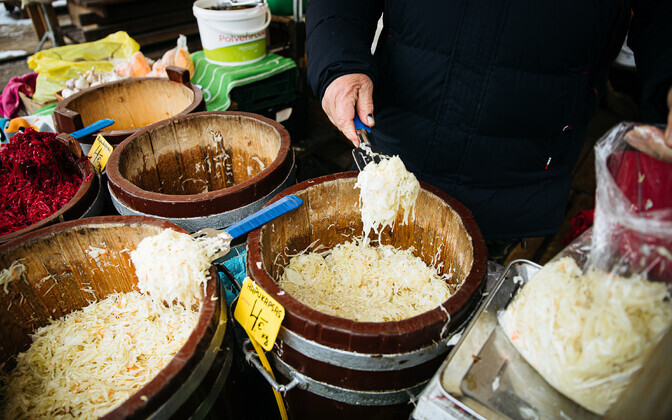
Here in Estonia, the beloved hapukapsas (sauerkraut) exemplifies a fermented and fibrous food traditionally relied upon in the colder months. Because cabbage naturally hosts lactic-acid bacteria on its leaves, when salt is added, it draws out moisture and creates the perfect environment for these bacteria to convert cabbage sugars into lactic acid — a process called lactic-acid fermentation. This transformation yields compounds that support human health: improved digestion, anti-inflammatory properties and enhanced immune response.
Although sauerkraut is non-negotiable on many Estonian holiday tables, its benefits go far beyond tradition. If you want to tap into the wider benefits of fermented foods, consistency is key, so try to eat them daily, keeping in mind you don’t need a grand meal to consume them. Just the other week, I bought an entire bucket of sauerkraut for only two euros. I add it to sandwiches, eat it with crackers or simply pick up a large forkful when it’s a particularly busy day.
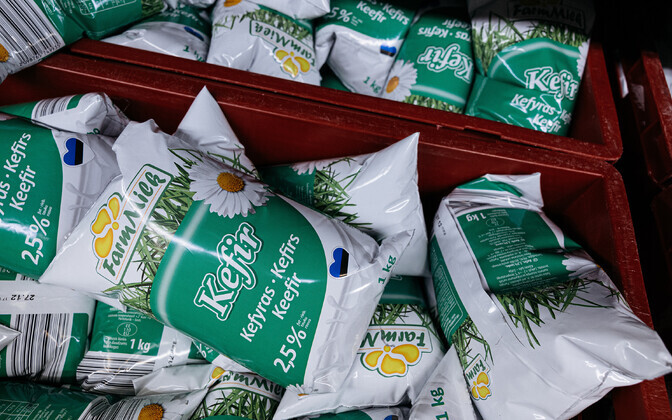 Kefir Source: Priit Mürk/ERR
Over-the-counter probiotics may have their place, but they cannot replicate the full spectrum of benefits from whole fermented foods, which offer live microbes and prebiotics, enzymes, vitamins, minerals and fiber. Not to mention, sauerkraut is also a lot cheaper than a package of probiotics.
One thing that’s important to distinguish, though: fermented foods like sauerkraut are not the same as pickles. While some pickles are made using salt brines, like sauerkraut, most store-bought pickles are preserved in commercially made vinegar, not a true probiotic food. Although some vinegars are produced by fermentation — like apple cider vinegar — many other types do not reliably contain live microorganisms, which survive digestion and deliver measurable benefits. For a food or drink to count as a probiotic, it must contain live microbes in sufficient numbers and proven benefits.
But if sauerkraut isn’t quite your thing, there are plenty of other accessible fermented foods you can work into your diet, like spicy kimchi, kombucha, drinkable kefir, salt-brined pickles, savory miso paste, firm tempeh and, as previously mentioned, apple cider vinegar.
So this winter, as I settle into my first real northern darkness, I am reminded that survival in the cold isn’t just about layers, wool socks and hot tea. It’s also about invisible ecosystems inside us, ones that Estonians have been successfully fueling for hundreds of years. And that a side dish of fermented cabbage is not just a cold-weather tradition, it’s part of a strategy for resilience.
—
Follow ERR News on Facebook and Twitter and never miss an update!