
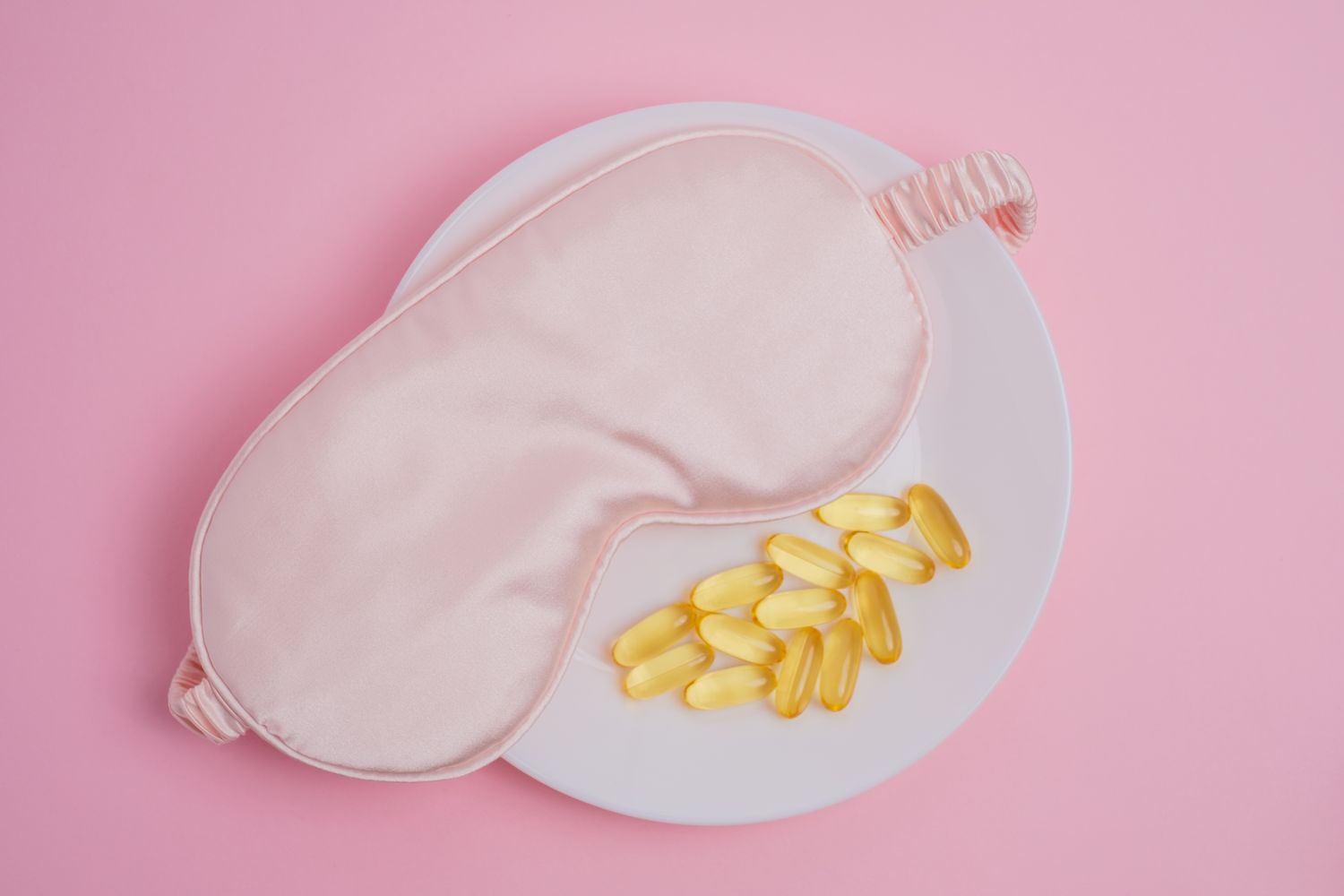
As the pressure of the new year winds down, you may be rethinking your health routines. This week’s roundup breaks down what to know about vitamin D dosing, simple ways to support heart health, and better sleep without overdoing it.
1. Signs you’re taking too much vitamin D 🌞
Vitamin D supplements often get to shine during the dark winter months, when sun exposure is limited. But more isn’t always better.
Taking very high doses—such as 10,000 IU a day for months—can interfere with calcium absorption and raise the risk of side effects, including nausea, kidney stones, and calcium buildup in the arteries. To stay safe, follow your healthcare provider’s guidance. For most people, that means staying below the upper tolerable limit of 4,000 IU a day unless a deficiency requires a short-term higher dose.
2. Pickled beets for heart health
Beets are rich in nitrates, which help relax blood vessels and may support healthy blood pressure. If you get pickled beets, look for fermented varieties rather than those preserved in vinegar. Vinegar-brined beets can be high in sodium, while fermented beets provide probiotics that support gut health.
3. Melatonin and magnesium for sleep 💤
If you’re aiming to improve sleep and manage stress, pairing magnesium with melatonin may help. Both supplements support sleep and have calming effects, so taking them together could enhance those benefits.
However, the combination may make you more drowsy than expected. Start with low doses of each and pay attention to how you feel. Avoid activities like driving until you know how the combination affects you. If you feel overly sleepy during the day, it might be best not to mix the two supplements.
Always talk to your healthcare provider before trying supplements, especially if you take other medications or have a chronic health condition.
4. Upgrade your sandwich by choosing better bread 🍞
A nutritious sandwich can be an easy, satisfying on-the-go meal that requires little prep or cleanup. But the type of bread you choose plays a major role in how healthy it is.
Opt for whole-grain, multigrain, or 100% whole wheat bread, ideally with sprouted grains, to get more fiber and nutrients than refined white bread provides. Also, check the label for protein content and watch for added sugars.
5. Focus on healthier fats instead of cutting fat entirely 🫀
Fat has long been vilified in diet culture, especially for its perceived impact on heart health. But research shows that not all fats are the same.
It’s still wise to limit saturated fat, particularly if you’re managing high cholesterol. But when it comes from sources like fermented dairy, including yogurt and kefir, rather than red meat or heavily processed foods, it can fit into a balanced diet.
If you’re cutting back on fat, avoid replacing it with refined carbs or added sugars, even if foods are labeled “fat-free.” Instead, prioritize unsaturated fats from sources like nuts, seeds, and fish.
Verywell Health uses only high-quality sources, including peer-reviewed studies, to support the facts within our articles. Read our editorial process to learn more about how we fact-check and keep our content accurate, reliable, and trustworthy.
National Institutes of Health Office of Dietary Supplements. Vitamin D health professionals fact sheet.

Thanks for your feedback!
What is your feedback?
Helpful
Report an Error
Other