
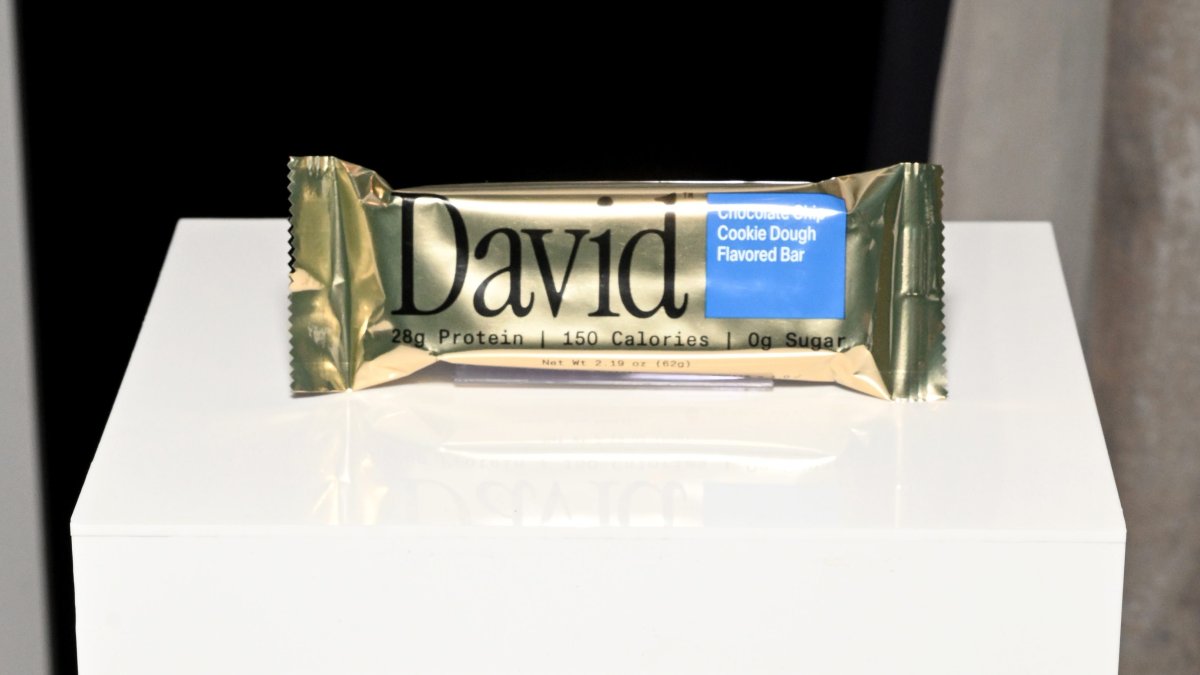
The protein revolution is hard to avoid. Grocery aisles are now stocked with specially-branded food items packed with more protein than ever before to meet the growing demand of the latest food fad.
David Protein bars answered the call.
For up to $4.99 retail, the glossy packaging promises a protein-packed bar in flavors like red velvet, blueberry pie, cake batter, and fudge brownie. The bars’ nutrients are part of its branding: 28 grams of protein for only 150 calories, and zero grams of sugar.
Some consumers, however, are saying it’s too good to be true.
A class action lawsuit filed in federal court in New York alleges that the eye-popping stats that helped make the bar so popular aren’t to be trusted. Specifically, the company is accused of packing more calories and fat into the bars than what is advertised on the packaging.
The lawsuit claims David Protein participated in “unlawful and deceptive practices in labeling and marketing,” knowingly selling the product with inflated health stats to boost sales.
The plaintiffs said they tested the David Protein bars — the suit includes results from an accredited laboratory — and found the bars contain up to 83% more calories and 400% more fat content than what is on the nutrition label. Fudging the numbers by such a degree violates Food and Drug Administration standards, which mandate that the nutrient content of a food item not exceed the declared value by more than 20%, they said.
David Protein founder defended the company’s product in a recent interview with Vanity Fair.
“This particular claim, among other things, fails to understand how the FDA measures the calories for EPG, one of our key ingredients. We intend to defend this claim vigorously,” Peter Rahal said.
On Wednesday, the company posted a statement on their Instagram story, saying “no on is getting Regina Georged,” a nod to a part of the film “Mean Girls” in which the character Regina George is tricked into eating bars designed to help people gain weight.
The company said the plaintiffs’ testing was flawed and the “confusion” over the nutritional facts stems from how the calories are measured.
“When food is burned in a device called a bomb calorimeter, it measures the heat released. But nutrition labels aren’t based on how much heat something produces when burned. They’re based on what the human body can actually absorb and use for energy,” the statement read. “That distinction matters for ingredients found in David, such as fiber, sweeteners, and fat substitutes like EPG. Burning them in a bomb calorimeter treats them as fully digestible calories, even though they are not. That’s why the FDA requires different calculation methods for those ingredients when determining calories.”
The statement concluded by stating that the David bar “is 150 calories.”
The lawsuit does not specify the method used to measure the calories. Anresco Laboratories, which did the testing, said it could not comment because of confidentiality agreements.
The plaintiffs are seeking a jury trial in their pursuit of damages, restitution and injunctive relief.