
A new study commissioned by Holland & Barrett, which surveyed 1,000 adults across Ireland, found that while 87% believe building good health and wellbeing habits now is key to preventing future illness, most still delay action until something goes wrong.
Among those surveyed, 70% admit they only listen to their body when something feels off, while 57% say they are only proactive about their health “when something goes wrong.”
At the core of the issue is a population running on empty, with everyday barriers continuing to stand in the way of healthier habits. Fatigue and lack of time are each cited by 30% of respondents, while 28% point to low motivation.
Other common obstacles include the cost of healthy food (26%), difficulty maintaining consistency (24%), and the convenience of unhealthy options (20%).
Despite good intentions with 75% of adults planning to prioritise their health over the next 12 months action still falls short, as only 61% say they are actively managing their health and wellbeing today.

At the same time, many are unsure where to begin. Almost half (44%) of Irish adults say they struggle to understand what their body actually needs, highlighting a strong demand for more accessible, personalised support to help turn intention into action.
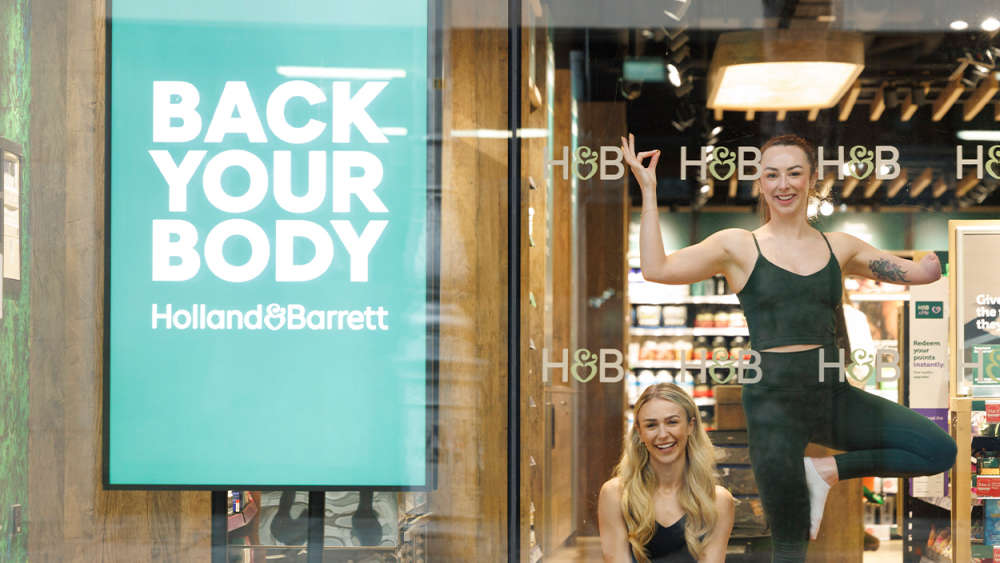
In response, Holland & Barrett has launched its new ‘Back Your Body’ campaign in Ireland a nationwide initiative aimed at encouraging a shift from reactive to proactive health habits.
The Back Your Body Commitment will offer up to 25,600 free Wellness Check-Ins each month, delivered by more than 400 trained Wellness Champions.
These sessions will provide science-backed, personalised advice across key areas such as sleep, energy, stress, gut health and immunity.
The goal is to simplify complex health information into practical, actionable steps so people can take control of their health earlier, not just when something goes wrong.
The campaign is backed by Paralympic champion Ellen Keane and Olympic athlete Sharlene Mawdsley, who aim to inspire people across the country to take a more proactive approach to their wellbeing.