
The liver’s critical functions are being undermined by everyday habits that often go unnoticed until serious damage is done. In an interview with HT Lifestyle, Dr Pavan Dhoble, consultant, gastroenterology, PD Hinduja Hospital & Medical Research Centre (Mahim), Mumbai, is sounding an alarm for those in their 20s and 30s, warning that ‘fast-paced’ lifestyle choices are driving a surge in preventable liver damage. Also read | Delhi surgeon warns common painkillers aren’t as safe as you think: ‘Your liver has its limits’
 Dr Pavan Dhoble highlighted the risk of liver damage in younger generations due to lifestyles choices. (Freepik)
“The liver plays a vital role in detoxifying the body, supporting digestion, and regulating metabolism,” Dr Dhoble said. “However, in today’s fast-paced lifestyle, many everyday choices can quietly harm the liver, especially in individuals in their 20s and 30s. What may seem harmless now can lead to long-term complications if ignored,” he added.
The ‘silent’ killers: alcohol and sugar
While many associate liver failure with a lifetime of heavy drinking, Dr Dhoble noted that the ‘social’ nature of modern consumption is accelerating the timeline of injury for younger generations. “Regular binge drinking and frequent social consumption can silently damage the liver over time. It increases the risk of fatty liver, alcoholic hepatitis, and eventually cirrhosis. Many young adults underestimate how quickly this damage can build up,” Dr Dhoble said.
It isn’t just alcohol causing ‘fatty liver’ anymore. Dr Dhoble highlighted, “High intake of soft drinks, energy drinks, packaged snacks, and refined carbohydrates leads to fat accumulation in the liver.” This trend is a ‘key driver’ of non-alcoholic fatty liver disease (NAFLD), which he said is ‘increasingly seen in younger individuals’.
The hidden risks of gym culture and self-medication
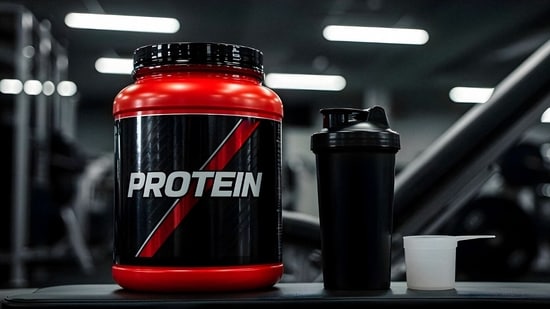
One of the most concerning trends for health-conscious youth is the rise of unregulated ‘wellness’ products. According to Dr Dhoble, the pursuit of a perfect physique can sometimes backfire on internal organs. “Protein powders, fat burners, and herbal supplements taken without medical guidance may contain harmful substances that can trigger liver inflammation or acute injury,” he warned.
The danger extends to the medicine cabinet as well. Dr Dhoble pointed to a common household staple as a potential toxin: “Overuse of medications such as paracetamol, especially in higher-than-recommended doses or combined with alcohol, can be toxic to the liver.”
The metabolic impact of lifestyle
Beyond what we consume, how we live is equally transformative for liver function. Dr Dhoble identified several lifestyle factors that disrupt the organ’s ability to process fat and toxins:
⦿ Physical activity: “Lack of physical activity slows metabolism and increases the risk of fat deposition in the liver,” Dr Dhoble said.
⦿ Irregular cycles: “Late-night meals, skipping meals, and crash dieting disrupt liver metabolism and overall digestive health,” he added.
⦿ Stress and rest: “Poor sleep and chronic stress… disrupt hormonal balance and metabolic processes, indirectly impacting liver health,” Dr Dhoble said.
A call for early intervention
The takeaway for young adults is not one of despair, but of immediate, minor adjustments – Dr Dhoble shared that the liver is remarkably resilient if given the chance to recover before permanent scarring occurs. “Simple, consistent lifestyle changes such as balanced nutrition, regular exercise, mindful alcohol consumption, and responsible medication use can go a long way in protecting liver health. Taking care of your liver early ensures better overall health in the years ahead,” Dr Dhoble concluded.
Note to readers: This article is for informational purposes only and not a substitute for professional medical advice. Always seek the advice of your doctor with any questions about a medical condition.