

Published May 20, 2026 06:00AM
As a triathlete who lives and trains in Mumbai, India, where temperatures often exceed 90 degrees Fahrenheit and humidity levels are through the roof, I need to pay special attention to replenishing my electrolytes. It’s not all that difficult to remember, thanks to the seeming endless list of electrolyte companies partnering with influencers and advertising through every possible medium.
But a few weeks ago, I was reading the fine print on a stick of Liquid I.V. (anything to procrastinate getting on the trainer for a three-hour ride) and found myself chuckling at the recommendation to consume only one stick per day. Like many athletes, I regularly guzzle down two, three, or even four bottles of electrolytes on long endurance days.
So how many electrolytes are too many electrolytes? Am I causing myself harm by exceeding the daily sodium recommendations? I chatted with Alissa Palladino MS, RDN, LD, CPT – an Atlanta-based registered dietitian nutritionist and an avid runner who regularly works with endurance athletes – to find out.
Why replenishing electrolyte stores is so crucial
Regardless of how much (or how little) someone is training, electrolytes are non-negotiable. That’s why federal recommendations exist for minerals like sodium, potassium, chloride, magnesium, calcium, and phosphate – all of which possess an electric charge and therefore fall under the electrolyte umbrella, explained Palladino.
If you feel like you get a zap of energy after gulping down a bottle of electrolytes, that’s no illusion; these minerals affect everything from muscle and heart contraction to blood pressure regulation, Palladino says. If your electrolyte levels fall too low, you may not be able to reap the full benefits of the gels you’re consuming, your fluid balance may go for a toss, and blood vessel and nerve function may also suffer.
Yes, obtaining electrolytes through diet and supplements is crucial for everyone, but a triathlete who sweats for long periods of time is more likely to notice the effects of an electrolyte imbalance.
For the everyday consumer, Palladino says, it’s probably not necessary to replenish electrolyte stores with commercial supplements. In fact, such supplements could deliver too much sodium to someone who doesn’t exercise much. Endurance athletes, on the other hand, need to consume more electrolytes. They’re sweating more and placing much higher demands on their bodily systems.
Electrolytes are not lost in equal proportions, which is why the best brands fine-tune their products’ compositions. Even if you’re not a salty sweater, you’re primarily losing sodium as you sweat, and a dearth of sodium will impact your athletic performance and safety more than anything else, Palladino warns. That’s why some products, like LMNT or salt capsules, are overtly salty.
Aside from sodium, potassium plays key roles in nerve and muscle contraction, while calcium is famously integral to building strong bones, Palladino pointed out. However, it’s not as crucial to replenish them during exercise itself.
The official electrolyte guidelines
The only time I’ve ever abided by my Liquid I.V.’s one-stick-per-day mandate was when I was pregnant. Like other mothers, I felt it was better to be safe than sorry, even while remaining highly active. It turns out that the federally approved DRIs (Dietary Reference Intakes) for each electrolyte vary according to factors like age, gender, and life stage. However, Palladino notes that discrepancies aren’t made for weight, activity level, or health conditions like hypertension.
Nevertheless, DRIs offer more specific guidelines than Daily Values, which pose recommended intakes and upper limits for nutrients (these are the generic percentages indicated on food labels). For instance, the DRI for potassium is 3,400 milligrams per day for men over 19, compared to only 2,600 milligrams per day for women in the same age range. Plus, caveats are made for pregnancy and breastfeeding. Meanwhile, the Daily Value for potassium is just one number: 4,700 milligrams per day.
Endurance athletes shouldn’t limit themselves to these numbers, Palladino says. In fact, there are no magic numbers for this population; how much and how hard you’re training will affect your needs, as will your sweat rate and composition. An athlete can sweat anywhere from 0.5 to 2 liters per hour, while sodium losses might fall anywhere between 500 milligrams to 2,000 milligrams per liter of sweat.
Of course, as the seasons change, so will how you sweat. During the summer, you might need two servings of electrolytes on a long run; during the winter, you might need only one.
Finding the right balance of electrolytes
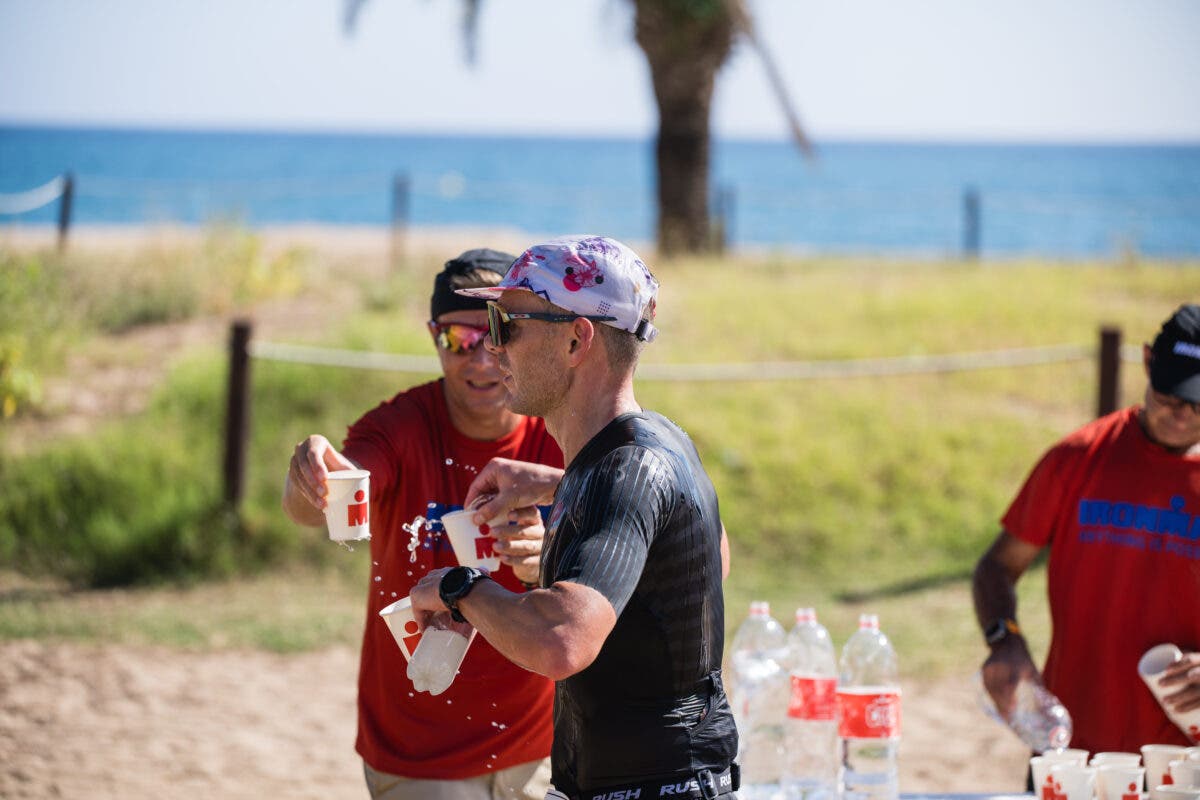 Electrolytes are critical for endurance athletes, but too much may lead to cases like Hypernatremia unless balanced sufficiently with water. (Photo: Carles Iturbe/Ironman)
Now that we’ve got a better grasp on why electrolytes are so important (and why an endurance athlete needs more of them than the average person), we can return to the question that started it all: How many electrolytes are too many electrolytes?
“Too much of a good thing is usually no longer a good thing,” Palladino says. It’s well-known that excessive sodium consumption and high blood pressure go hand-in-hand, and athletes aren’t immune to the fluid retention and expanded blood volume associated with high blood pressure.
Hypernatremia (too much sodium in the blood)
Hypernatremia, or high sodium levels in the bloodstream, can occur if you aren’t accompanying your electrolytes with enough fluids. Symptoms include abnormally high levels of thirst, muscle twitches, dizziness, nausea, and fatigue. At the most extreme, hypernatremia can cause seizures and even comas.
Your body will likely tell you early on if you’re consuming too many electrolytes — for instance, by asking you to find a bathroom if you’ve had too much magnesium or by alerting you with one of the aforementioned, less severe, signs of hypernatremia. If you’re paying close enough attention to your body, you’ll be able to course correct and have a better chance of finishing your workout or race with flying colors.
If you really want to fine-tune your hydration strategy, it could be worth investing in a sweat test. The results will help you determine how many ounces of fluid to drink every hour, how many milligrams of sodium to aim for, and more. But remember: Conditions like the weather and even diet will change your optimal ranges.
Hyponatremia (not enough sodium in the blood)
It’s not unheard of for an endurance athlete to experience the opposite problem, Palladino warned. If your water bottle contains only water, then you could dilute your blood concentration and end up with hyponatremia. No matter how concerned an athlete may be about the sugar in an electrolyte supplement damaging their teeth, the sheer expensiveness of such products, or “breaking the rules” by exceeding RDIs, hyponatremia is worse. It can cause severe headaches, nausea and vomiting, and at its most extreme: confusion, seizures, and comas.
Timing your electrolytes
Palladino recommends loading up on fluids and sodium before long endurance sessions and races, particularly when contending with hot and/or humid conditions. Due to the demands a sport like triathlon places on the gut, this can be especially helpful for athletes who balk at the thought of sipping on yet another bottle of electrolytes mid-ride or run.
In temperate conditions, most athletes will only need to worry about sipping on fluids and topping up sodium stores during workouts of lower intensities. You can simultaneously replenish carbohydrates if you choose the right hydration mixes from brands like Skratch, Tailwind, Momentus, and Precision.
After workouts, Palladino says an athlete should catch up on replenishing any fluids and electrolytes they were unable to consume during the session.
The final word on electrolytes
As with many other aspects of training, racing, and diet, this age-old adage holds true: listen to your body. Don’t treat yourself like the average consumer, because you’re not (remember, not even 1% of Americans call themselves triathletes).
At the same time, don’t shovel spoonfuls of salt into your water bottle thinking that you’re doing yourself a favor. Your body will give you real-time feedback – and it’s your responsibility to listen.