
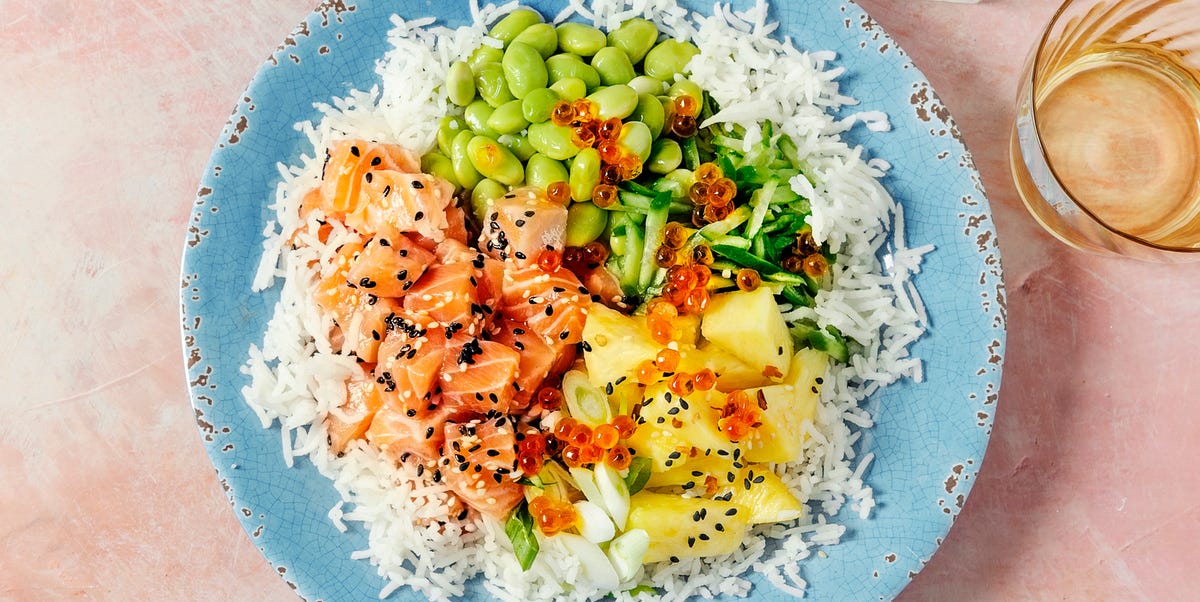
Like Marmite, raw tomatoes and coriander, fish is one of those polarising foods – there are the lovers, and then there are “not a fish person” people who make an involuntary soured face when you suggest a seafood restaurant or recipe.
Fair enough, but if you’ve got a hater in your family or circle of friends, there’s a decent chance they simply haven’t met their BFF (Best Fish Friend) yet. Many don’t taste at all “fishy” points out Valerie Agyeman, RD, a women’s health dietitian and founder of Flourish Heights virtual nutritional counselling service. Incorporating a mild fish into pasta, pizza or tacos can open picky eater’s minds. “I find that adding seafood to favourite foods is always a great idea,” says Agyeman.
And it’s worth experimenting, because fish “is packed with vitamins and nutrients that can lower blood pressure and help reduce the risk of a heart attack or stroke,” says Grace Derocha, a national spokesperson for The Academy of Nutrition and Dietetics. These include omega-3 fatty acids, vitamins D and riboflavin, calcium, iron, zinc, magnesium and potassium. Never mind that health orgs such as the NHS recommend that we eat two portions of fish a week. “Fish is a high-quality, lean protein to add to your eating routine for healthy muscles, bones, tissue and skin,” she says.

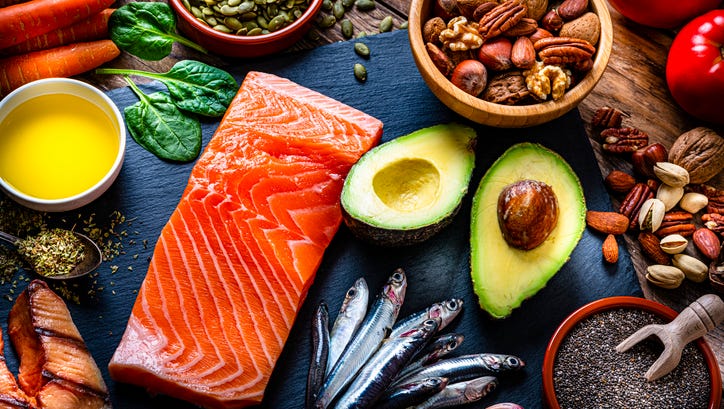
That said, some people nix fish because of concerns about sustainability, or a fear of consuming mercury, a neurotoxin that are especially bad for pregnant women and young children, which can be an issue in larger fish. Most types of commonly sold fish are healthy to eat a few times a week, however. “It’s always best to look for sustainable seafood certifications, including MSC to ensure a safe, healthy and accountable seafood supply,” says Agyeman.
The NHS says women who are or might become pregnant should avoid:
swordfishmarlinsharkraw shellfishcold-smoked or cured fish (for example smoked salmon or gravlax, including in sushi), unless it has been cooked until steaming hot.
Inspired? Check out these 15 super-health fish options to work into your rotation. (These are in no particular order – what’s healthiest for you depends on what your body needs and what the rest of your diet looks like; where mercury is a concern, you’ll see how to reduce your exposure).
1. SALMON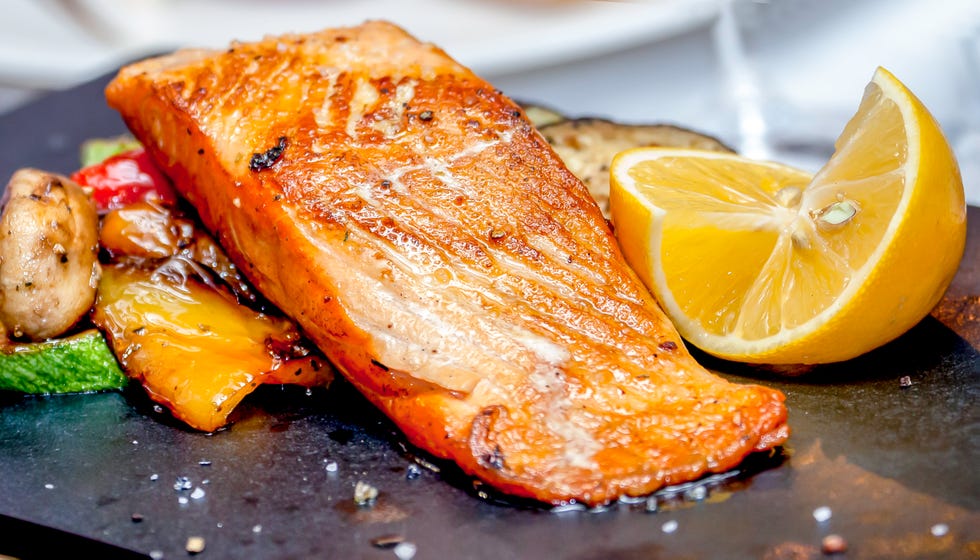
Aleksandar Bojkovic / 500px//Getty Images
Salmon is a super popular fish, and the fat in this oily fish (especially wild-caught salmon) is the “good” kind, and has lots of calcium and vitamin D, says DeRocha. “This is because wild caught salmon is found in its natural habitat and hence is less exposed to contaminants and processed fish food,” she says.
2. TUNA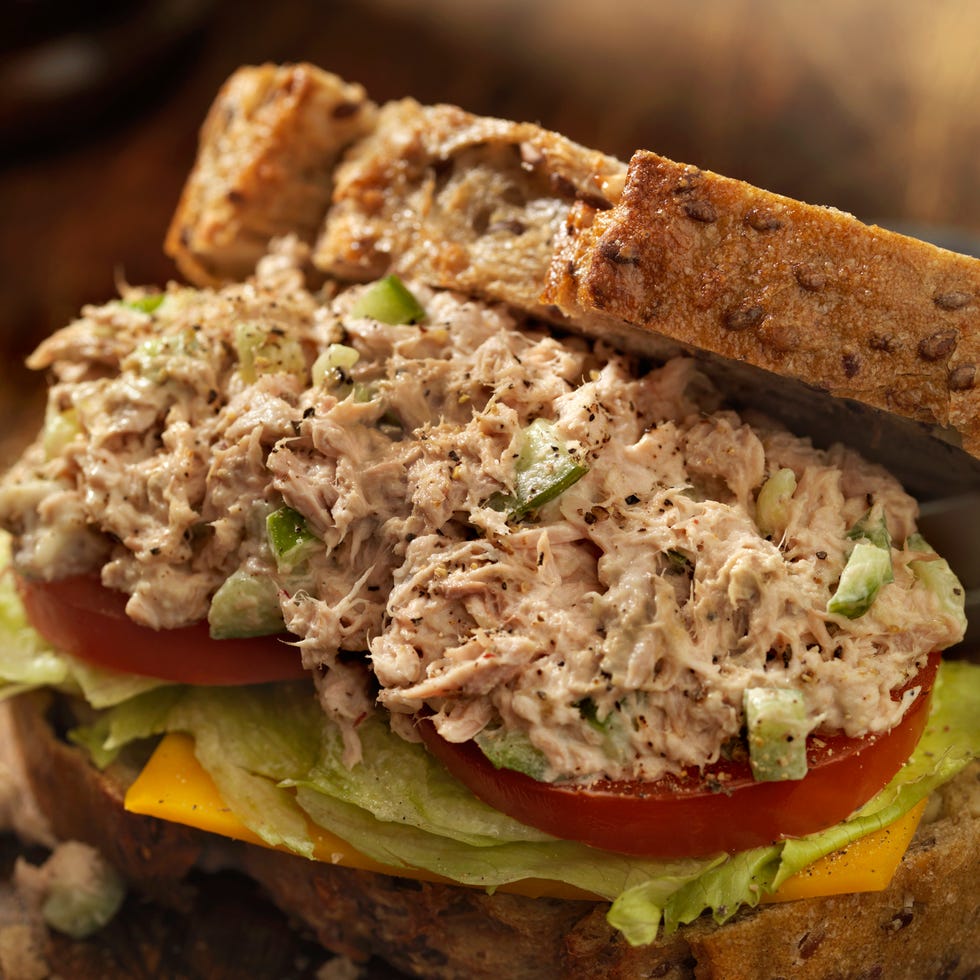
Lauri Patterson//Getty Images
You can’t beat tuna for everyday convenience: Rip open a pouch or a single-serve can and toss it in your salad for a quick lunch. “Tuna is rich in omega-3 fatty acids, vitamin D, and selenium – a mineral that acts as a powerful antioxidant in the body,” says Agyeman. “Antioxidants protect the body from oxidative stress and damage to your cells.” Don’t let tuna be your only fish, however, because most species have a high mercury content, points out Derocha. In general, bigger varieties (of any fish) contain more, and when it comes to tuna, that means going easy on yellowfin, ahi tuna and albacore. “Instead, opt for smaller species like the skipjack, which is the chunky tuna in a can,” she says.
3. COD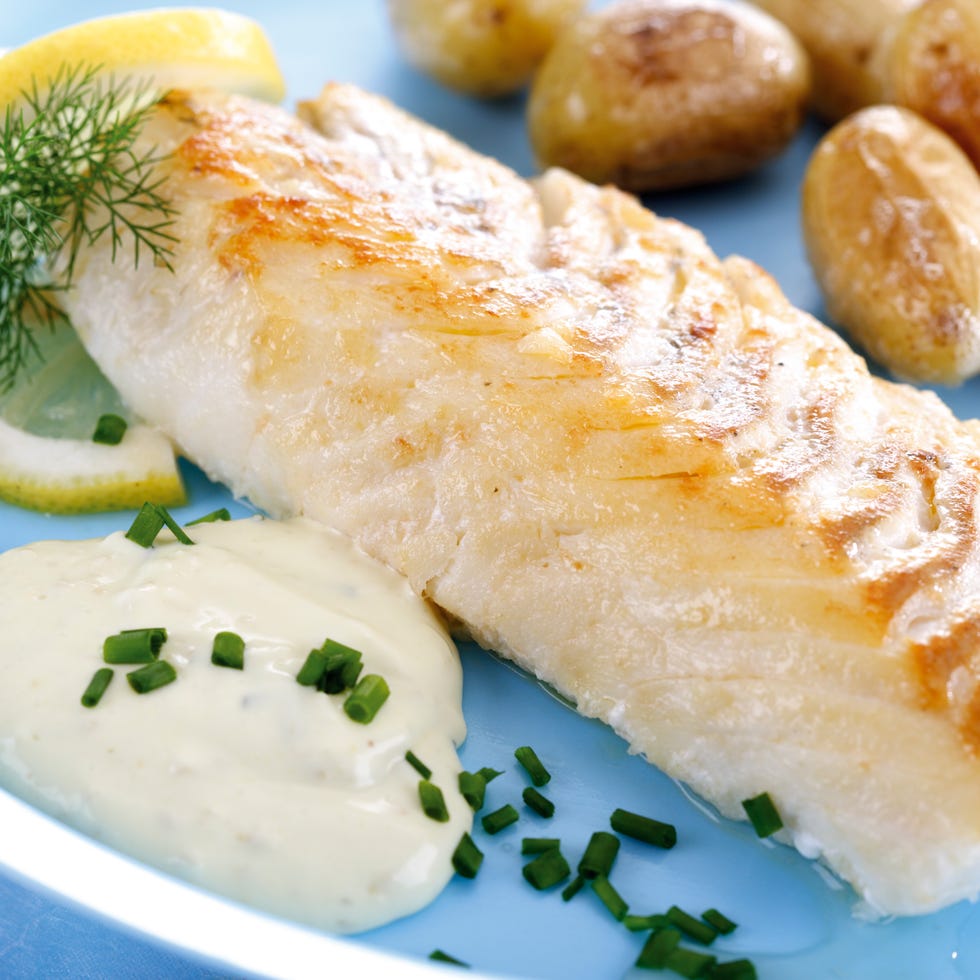
Creativ Studio Heinemann//Getty Images
Cod is a great fish to serve to newbies, says Derocha. “It has a milder flavour that picky eaters and kids could enjoy.” It’s so universally loved that it’s often used in fish and chips (yum!), and when grilled or baked, cod is low in fat and naturally rich in protein.
4. SARDINES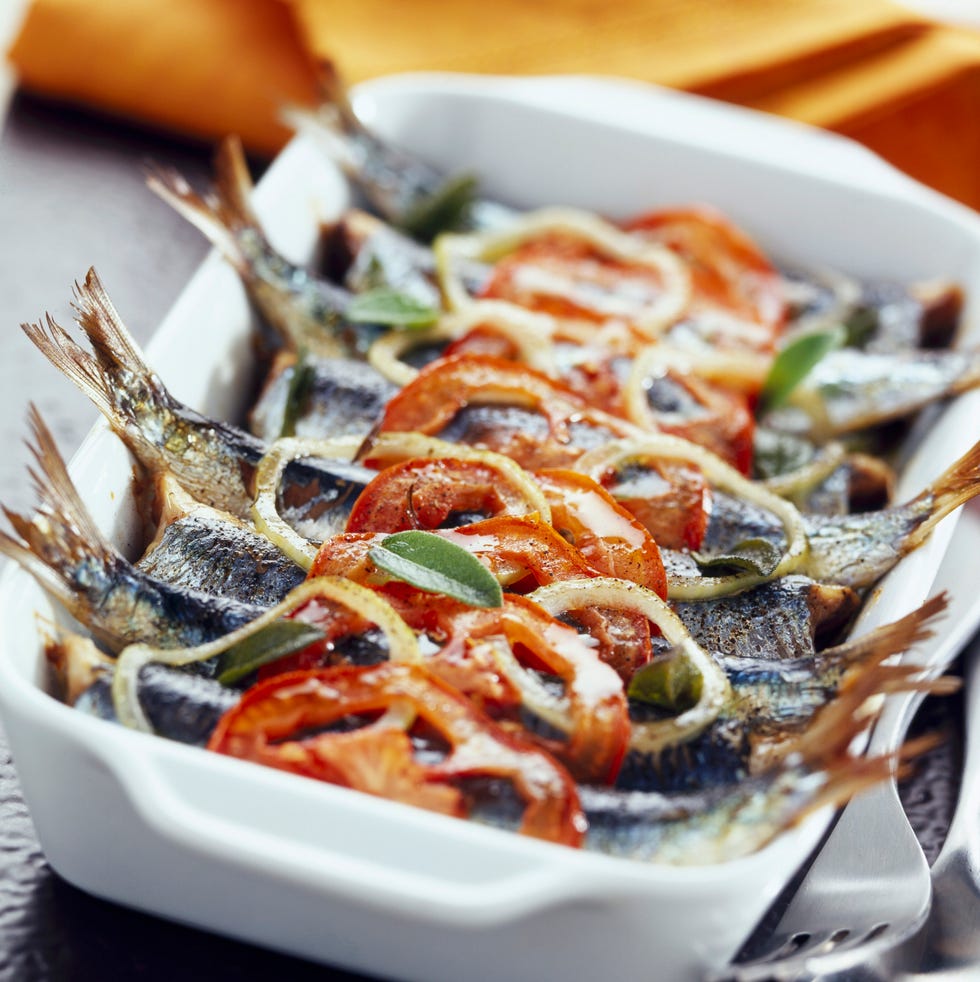
Viel, Pierre Louis//Getty Images
Sardines are not a good starter fish, because, well, they’re “fishy.” These little fish have a strong taste, but they are excellent for you, says Agyeman. “Sardines have tiny, edible bones that provide a great dairy-free source of calcium,” she says, and have iron and selenium as well. “Sardines and crackers are one of my favourite midday snacks to keep me feeling satiated and get an energy boost.” They’re also good over pasta in tomato sauce, or with lemon and garlic.
5. HALIBUT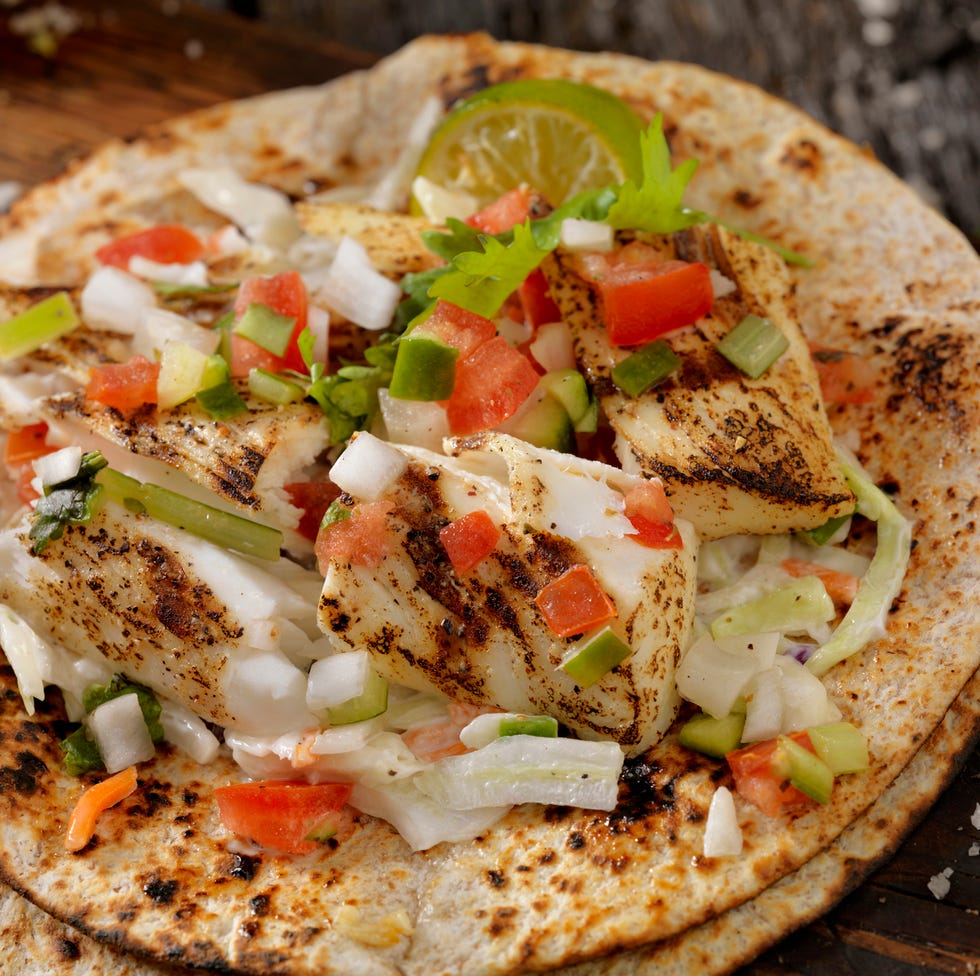
LauriPatterson//Getty Images
“Halibut is a firm, white fish with a rather mild flavour,” says Derocha, and so one that’s kid friendly (try it grilled or using it for fish sticks). It’s a good source of selenium, phosphorus, magnesium, and vitamins B6 and B12.
6. UNAGI (A.K.A. EEL)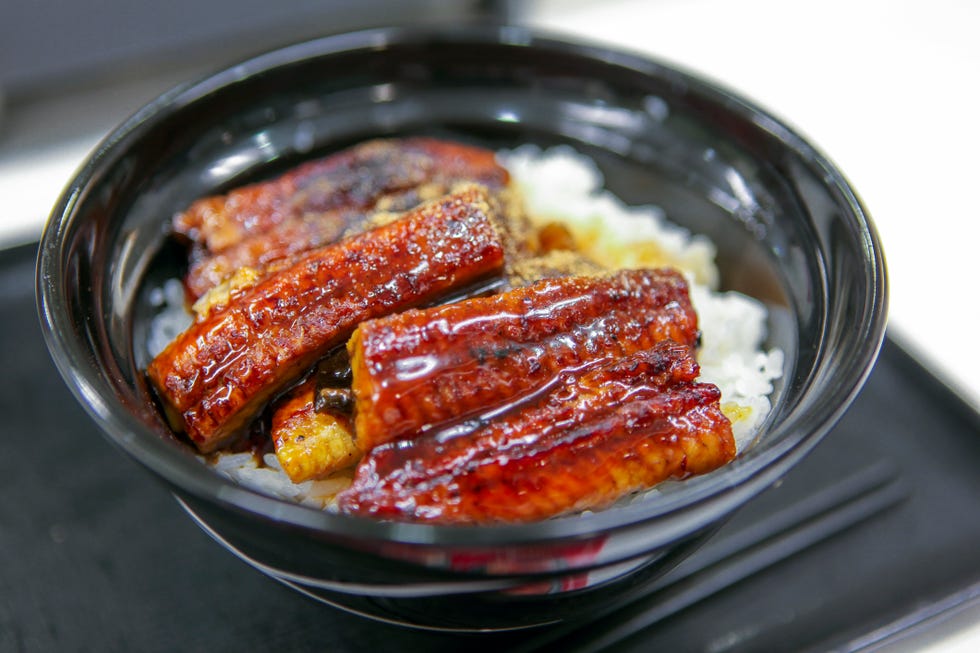
DigiPub//Getty Images
Unagi is much-loved in Japan, and loaded with vitamins and minerals, protein and other key nutrients. “Unagi is also believed to have the highest amount of unsaturated fatty acids than any other sea creature – the omega-3 fatty acid in unagi could help improve blood pressure, lower cholesterol, and help maintain bone health,” says Derocha. “This and vitamin A are believed to reduce wrinkles and keep the skin supple as well.” Look for Japanese unagi, specifically.
7. OYSTERS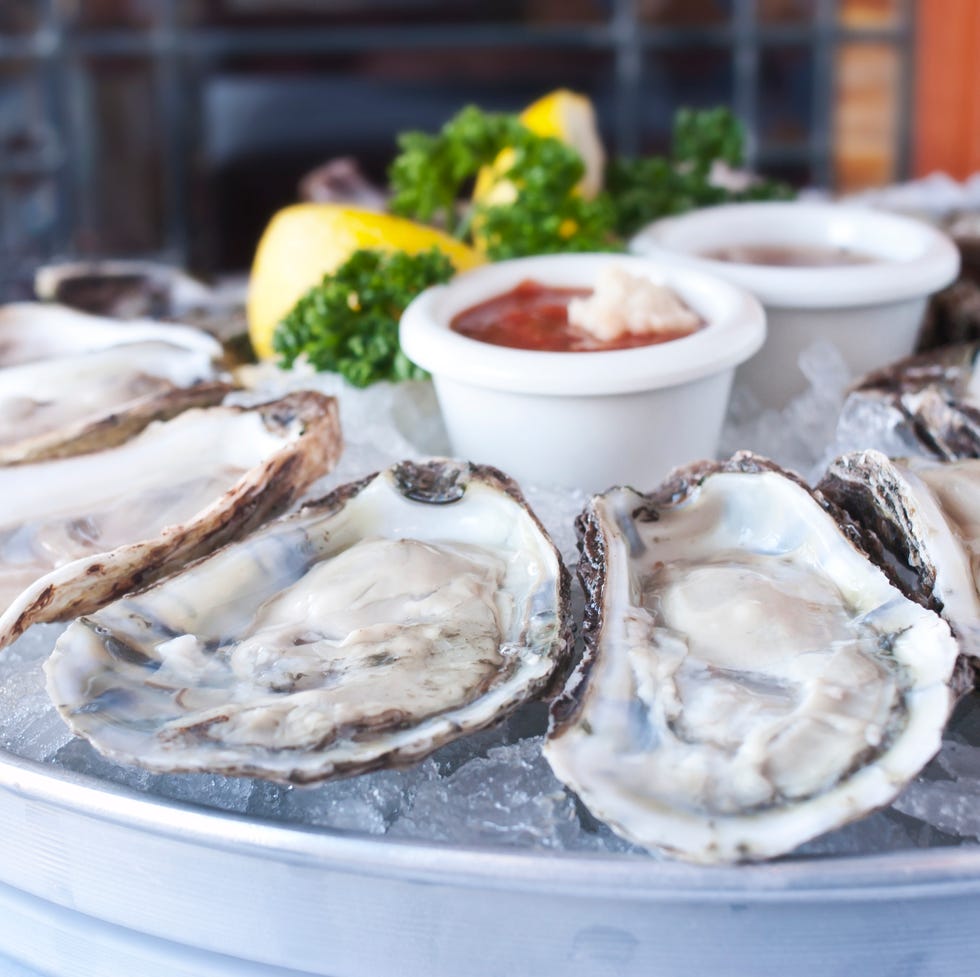
rudisill//Getty Images
As if you needed an excuse to test whether this shellfish is, in fact, an aphrodisiac! Oysters are not for beginners, but the salty, slimy slurp is a treat that have regulars racing to the raw bar. “Oysters contain a rich amount of zinc, which supports your body’s ability to fight off colds, viruses, and other bugs that make you sick,” says Agyeman. Or try cooking them, says Derocha, perhaps in a stew. They are also great for the environment. “The shells are an excellent source of calcium, which when used in the garden can help build strong plant barks as well as balance the soil pH,” she adds.
8. HERRING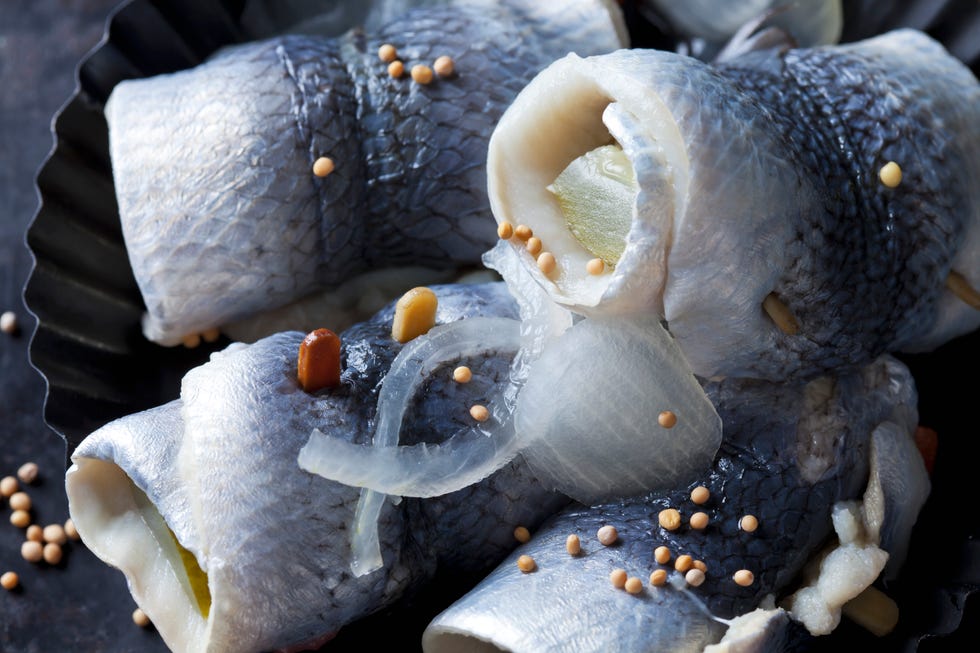
Westend61//Getty Images
These silvery fish are not only affordable and full of omega-3s, but herring has minimal mercury content, making it one of the cleanest and safest ocean fish to eat, says Derocha. “Herring is an excellent source of vitamin D – for people who don’t get enough sunlight, herring could be an ideal solution to keep your body at recommended levels of vitamin D.”
9. PRAWNS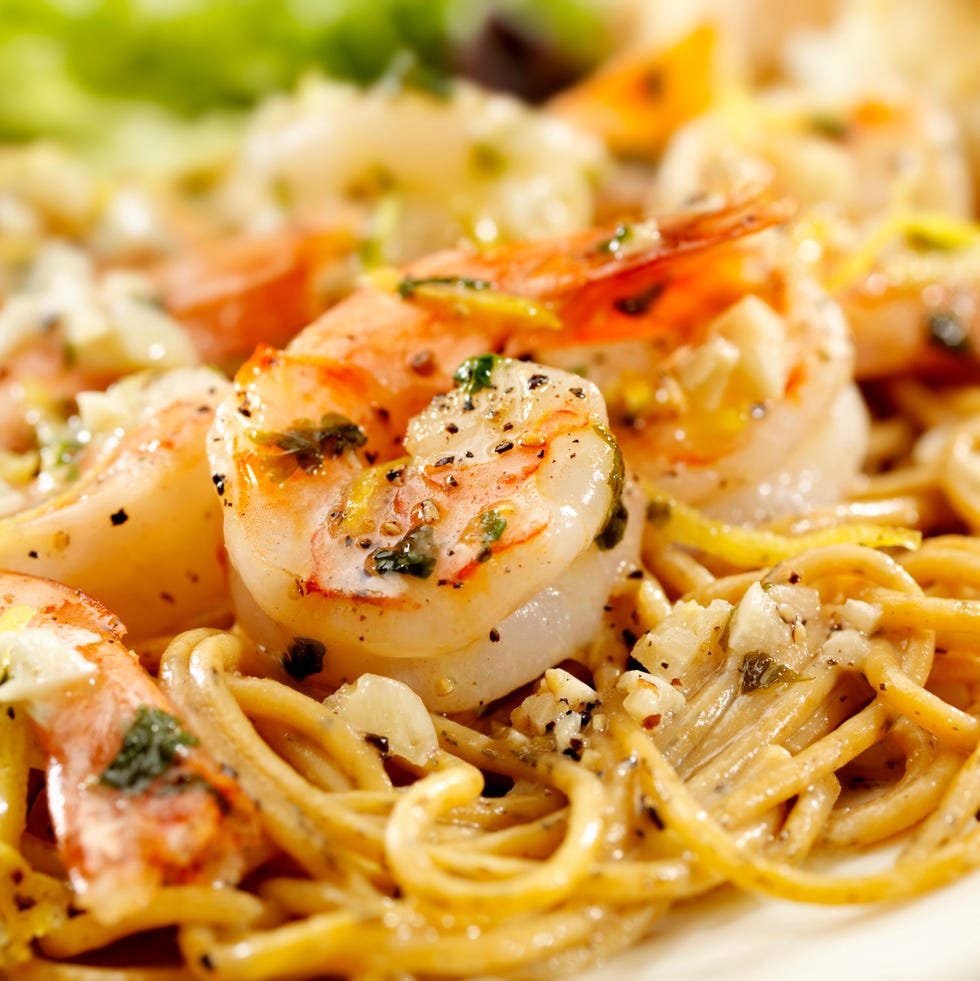
LauriPatterson//Getty Images
Prawns belong in your tacos, any day of the week. Okay, it is not a fish so much as a crustacean, but “prawns are high in protein and it has a light flavour that kids and adults can enjoy any time of day,” says Agyeman. “It’s also a great source of iodine and selenium, which supports a healthy thyroid and proper metabolism.” While not as high in omega-3 fatty acids as some other choices, they are low in mercury and calories and high in protein.
10. SCALLOPS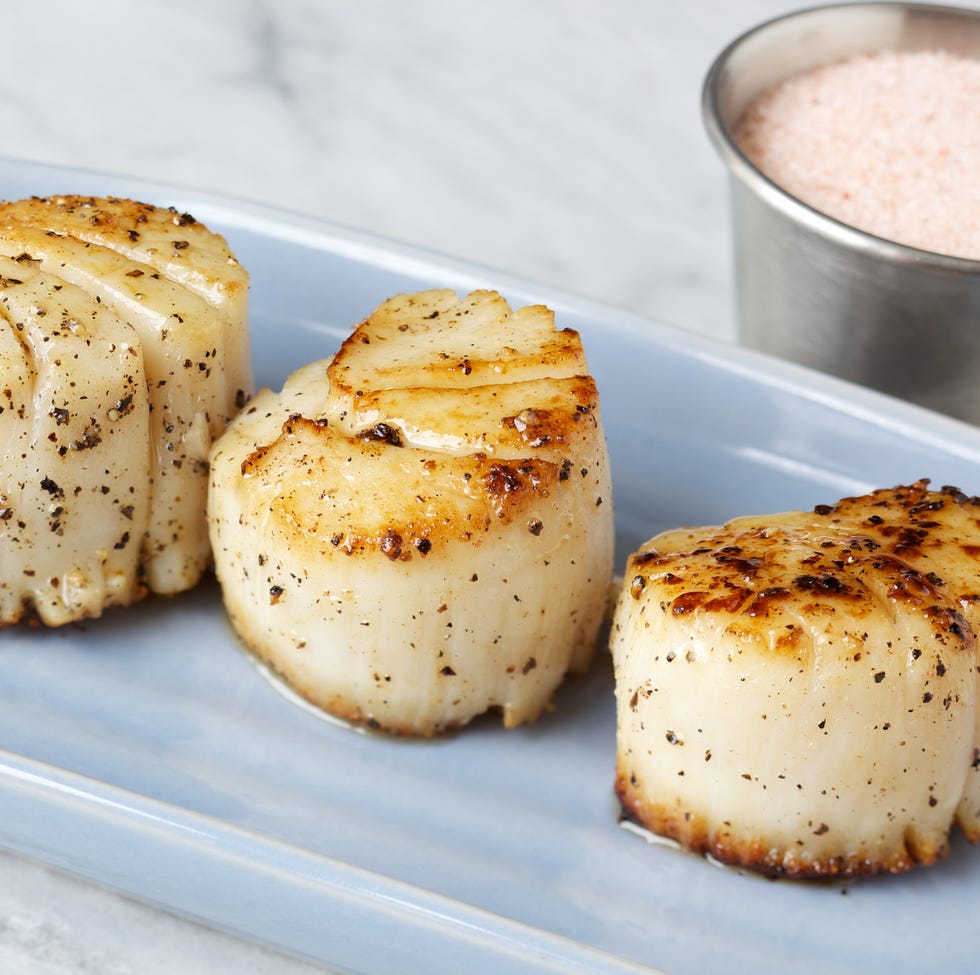
billnoll//Getty Images
These shellfish have a pleasing texture and delicate flavour. Once shucked (which is how scallops are usually sold), they are simple to prepare, says Derocha. “Just be careful not to overcook them, which is easy to do – all it takes is a quick sear in a super-hot pan for them to be cooked to perfection.” Low in mercury, they’re ranked as sustainable in a variety of wild and farmed varieties, she adds. They’re also a good option for picky eaters, says Agyeman.
11. CLAMS 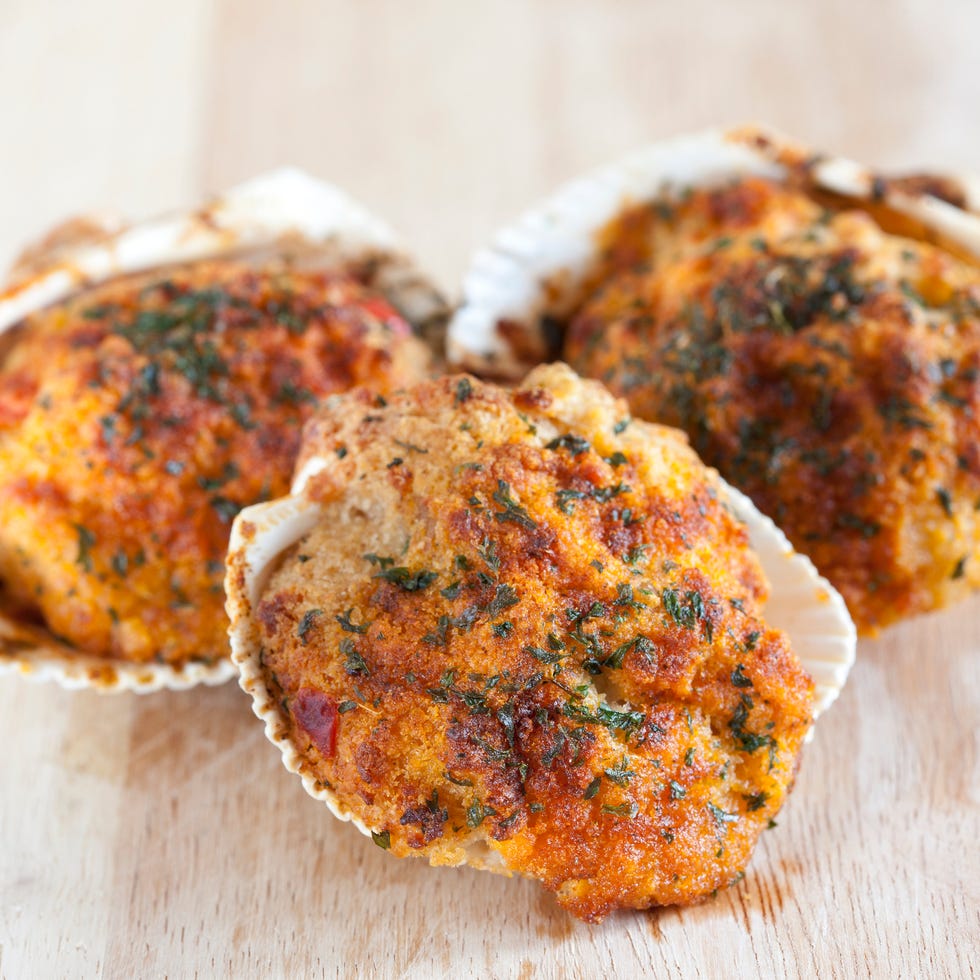
ProArtWork//Getty Images
Agyeman favours these shellfish for their abundance of vitamin B-12, essential for healthy blood cells, nerves and brain function, she says. Derocha agrees. “One of the best benefits of clams is that their proteins provide several essential amino acids. These are amino acids that the human body cannot make, and therefore must be obtained from dietary sources. A serving of clams provides over 100 % of the recommended daily intake of 11 different amino acids,” including all nine essential ones.
12. CRAB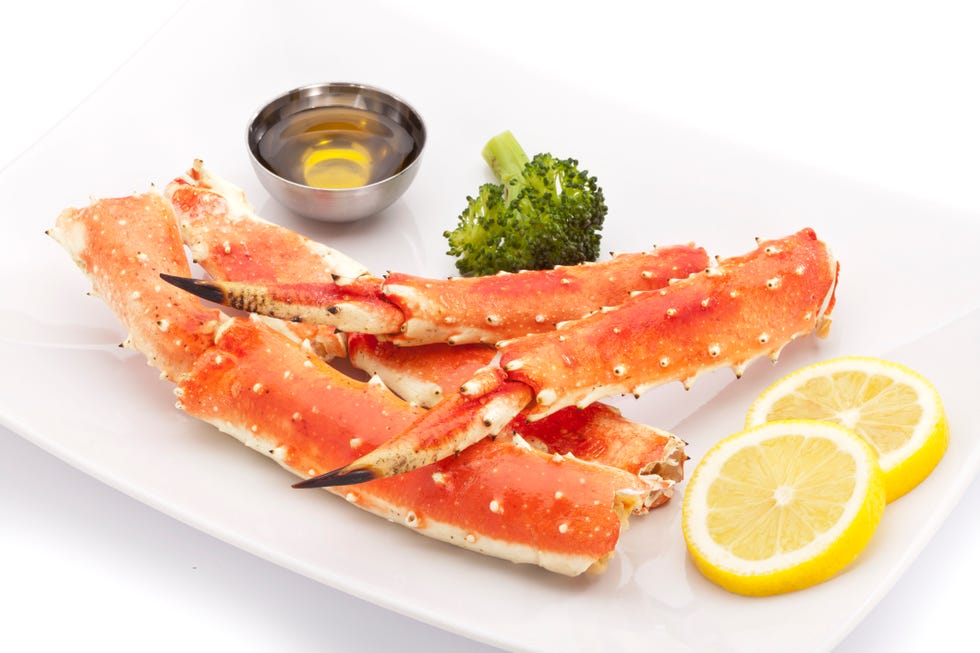
mozcann//Getty Images
It has a fancy reputation, but there’s no need to save it for special occasions. “Depending on the variety, crab ranges from 80 to 100 calories per 85g serving and offers up 16 to 20 grams of protein, plus 350 to 400mg of omega-3 fatty acids,” she says. As far as sustainability goes, crab is a “best choice.”
13. POLLOCK 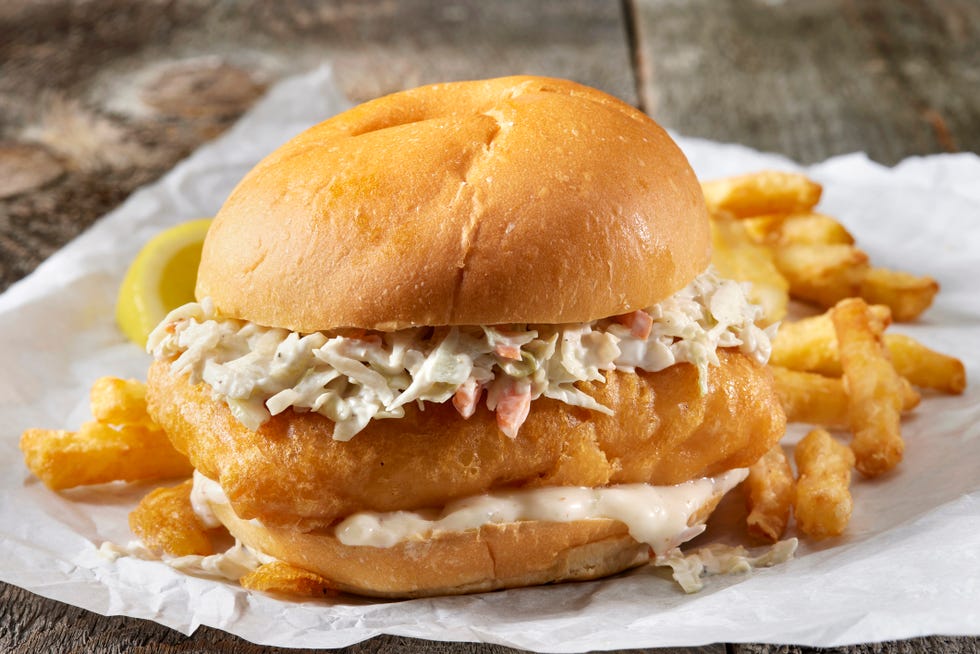
LauriPatterson//Getty Images
Pollock is primarily caught along the western and southern coastlines of the British Isles and because of its mild flavour and light texture, it’s the most-used type in fish sticks and other battered fish products that kids love. It’s also one of the more affordable, says Derocha, and naturally adopts the flavours of marinades and spices, so is good in lots of dishes. “But the shining star of Alaska Pollock is the omega-3s that it provides -between 50-1,000 milligrams of omega 3s per serving,” she adds.
Related Story
Stephanie (she/her) is the executive editor of Prevention and director of the Hearst Health Newsroom. She has covered women’s physical and emotional health, fitness, nutrition, sexuality, parenting and much more for national publications for decades; she is also a bestselling author, a mom of twins and a Mini Schnauzer, and drinks too much seltzer.

Mel is the Senior Food & Drink Writer for Good Housekeeping UK, covering all the delicious new product launches that come her way, writing about food and drink topics, and curating gift guides for the best foodie products to buy. Alongside that, she can be found developing and creating cocktails for GH and holds her WSET Level 2 in Wine and Spirits. She was part of the Good Housekeeping Institute food testing team for over four years before moving over to the digital side, so knows a thing or two about great food products. You’ll find her scouring the supermarket shelves in her spare time for new and exciting ingredients to experiment with in her kitchen.