
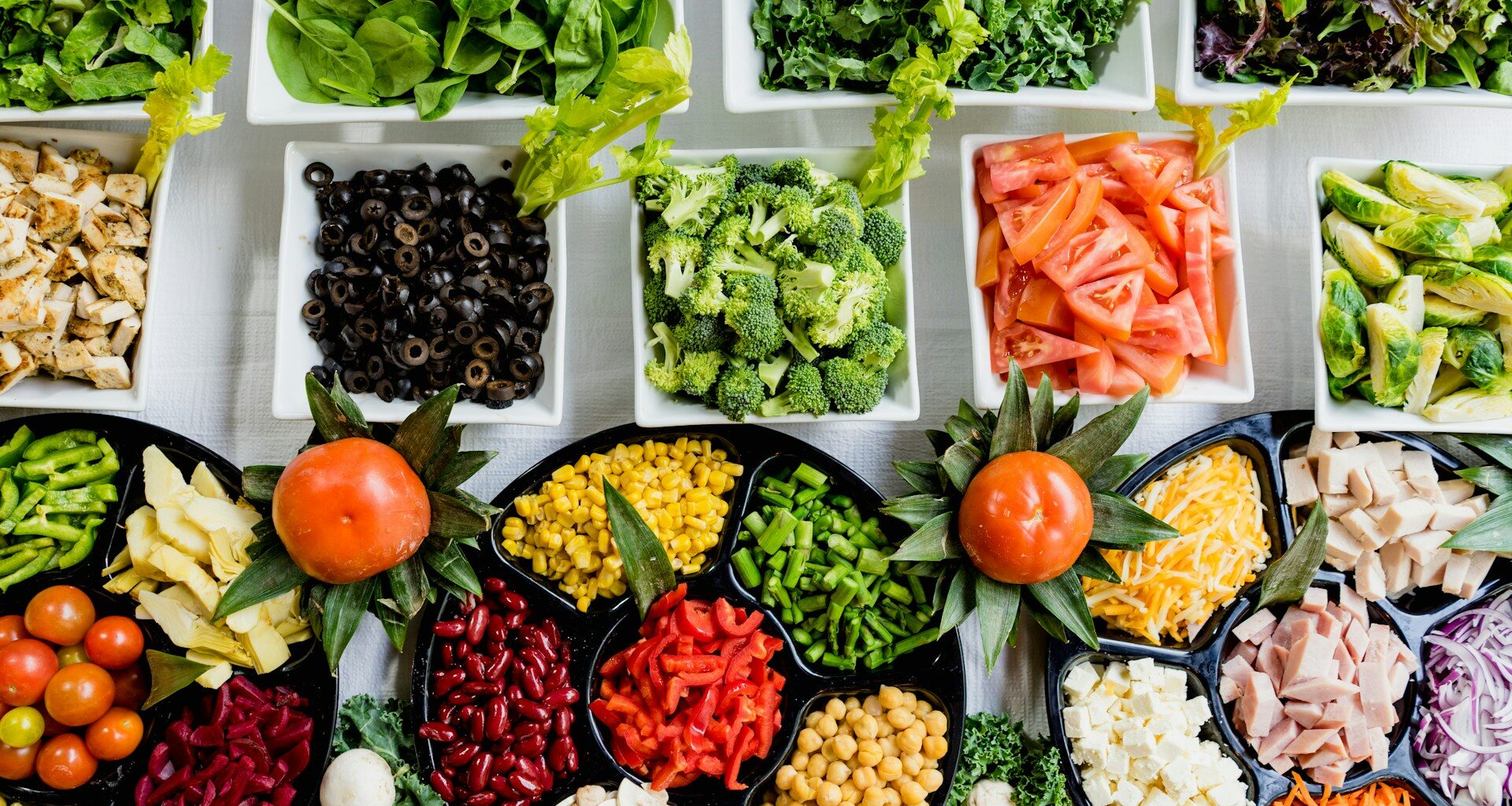
In a landmark study published on 3 July, researchers from the University of Edinburgh, the University of Oxford, and Food Standards Scotland analyzed 33 separate pathways to meet national climate and dietary targets.
By matching local dietary data with a product database of 70,000 UK supermarket items, the capital-based team proved that substituting modest amounts of processed meat and dairy with vegetables, beans, and eggs carries no extra cost for consumers.
The study suggests that targeting the capital’s heaviest consumers of red and processed meat—helping them cap their intake at 60 grams per day—would achieve the largest public health gains.
 Photo by
 The researchers estimated this targeted intervention would prevent nearly 60,000 cases of type 2 diabetes over a 10-year period across Scotland.
The findings arrive as Holyrood policymakers face pressure to address food-system emissions. The research revealed that the carbon footprint of food consumed by adults in Scotland actually outstrips the emissions generated by the nation’s entire agricultural sector due to the high volume of imported food.
Joe Kennedy, the lead Edinburgh researcher on the project, said that making sustainable choices convenient is essential for driving regional change.
Joe said: “The findings show that modest, realistic dietary changes, when scaled across a population, can deliver substantial benefits to people and the planet. Making healthier, sustainable options more available and convenient will be key.”


Related