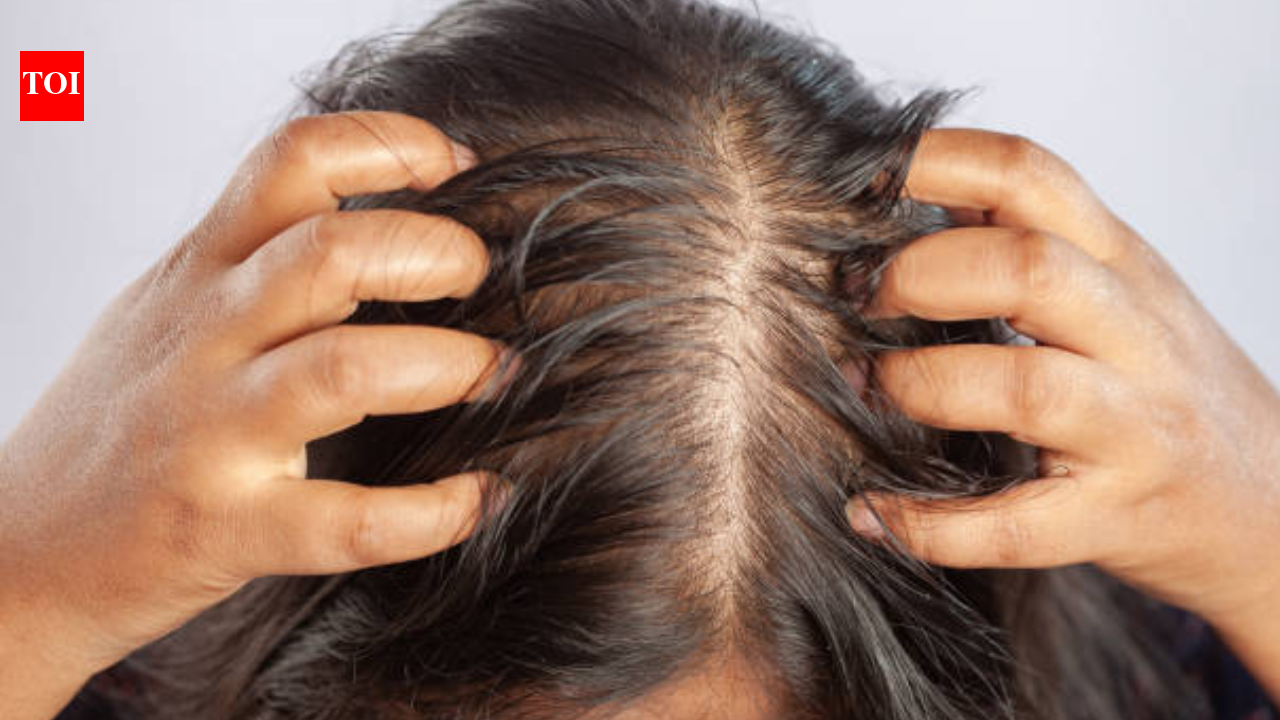
 India’s fitness boom is impossible to miss. Gyms are fuller, protein intake is trending, and supplements like creatine have moved from niche to mainstream. For many young Indians, lifting weights is no longer a hobby; it’s a lifestyle.And with that shift comes a familiar question in clinics: “Can creatine cause hair loss?”It’s a fair concern. Hair loss, especially a receding hairline, can be deeply distressing. But like many things are amplified online; the answer is more complicated than a simple yes/no.Creatine, after all, is not some exotic chemical. It’s a naturally occurring compound involved in muscle energy production. In supplement form, most commonly as creatine monohydrate, it is widely used to improve strength and performance and is among the most studied options in sports nutrition.So why the panic? The concern dates back to a 2009 study by Johann van der Merwe, Naomi Brooks and Kathryn Myburgh involving just 20 rugby players. The researchers found an increase in DHT after creatine supplementation, dihydrotestosterone, a hormone known to play a central role in androgenetic alopecia, or male-pattern hair loss. In genetically predisposed individuals, DHT gradually shrinks hair follicles, leading to thinning and recession over time. The internet took it from this study and made the myth famous among the general public.What often gets lost in the noise is this: the study did not show hair loss. No change in hair density. No evidence of baldness progression. Just a hormonal shift, nothing more.This distinction matters. An increase in a hormone linked to hair loss is not the same as actually losing hair. To establish causation, we would need consistent, real-world evidence showing that creatine users develop more hair loss than non-users. That evidence does not exist yet. But the story doesn’t end there.Hair loss is rarely about a single factor. Genetics plays the leading role. Two individuals can have similar hormone levels and completely different outcomes. For someone already predisposed to androgenetic alopecia, even a theoretical hormonal shift may feel concerning and understandably so. At the same time, not every episode of hair fall has a hormonal explanation. Sudden shedding is often due to telogen effluvium, a condition triggered by stress, illness, rapid weight loss, or nutritional deficiencies. Iron deficiency, thyroid disorders, and otherHormonal imbalances are also common culprits. In such cases, blaming creatine alone may mean missing the real diagnosis. The pattern of hair loss offers important clues.A gradually receding hairline or thinning crown suggests androgenetic alopecia. Diffuse shedding across the scalp points elsewhere. This is why clinical evaluation matters far more than conclusions drawn from social media trends.Once the cause is clear, the treatment has to work at two levels. Externally, on the follicle itself, where DHT-driven miniaturisation is happening and where topical treatment acts. And internally, on what’s feeding the follicle: iron, protein, vitamin D, thyroid function, digestion, stress and sleep. Treating only the scalp while the internal cause is still active is why hair often improves for a few months and then plateaus. The conversation applies to women as well. Female-pattern hair loss presents differently, often as central thinning. When women report new hair loss, nutritional and hormonal causes must be carefully evaluated before pointing fingers at supplements. So, should creatine be avoided altogether? Based on current evidence, no.In a 2025 randomised, double-blind, placebo-controlled trial published in the Journal of the International Society of Sports Nutrition, Mohammadyasin Lak and colleagues studied 45 resistance-trained men between 18 and 40 years of age. Participants were randomly given either 5 grams of creatine monohydrate daily or a placebo for 12 weeks. Unlike the earlier study, which only measured hormone levels, this research also looked directly at hair health, hair density, number of follicular units and cumulative hair thickness, along with testosterone and DHT levels. Thirty-eight participants completed the study. The researchers found no significant difference between the creatine and placebo groups in DHT levels, DHT-to-testosterone ratio or any of the measured hair-growth parameters. In other words, the study did not find evidence that taking 5 grams of creatine daily for 12 weeks caused hair loss or deterioration in hair follicle health. The authors described it as the first study to directly assess hair follicle health following creatine supplementation and concluded that its findings provided evidence against the claim that creatine causes hair loss.For healthy adults, creatine monohydrate remains one of the safer, better-studied supplements when used appropriately (3–5 grams per day) Those with underlying medical conditions, particularly kidney disease, should consult a doctor before starting.If hair thinning is already underway, the priority should be early diagnosis and treatment, not guesswork. Waiting too long in cases of androgenetic alopecia can limit how effective treatment will be. The bottom line is straightforward: creatine has not been proven to cause baldness. The concern is based on limited data around DHT, not on demonstrated hair loss.In a country rapidly embracing fitness, it is easy to swing between extremes – blind trust in supplements or unnecessary fear of them. Neither helps. Hair loss is personal. Fitness is individual. And when it comes to both, a single supplement is rarely the whole story.Dr Saima Yesmin, MBBS, Consultant at Traya