
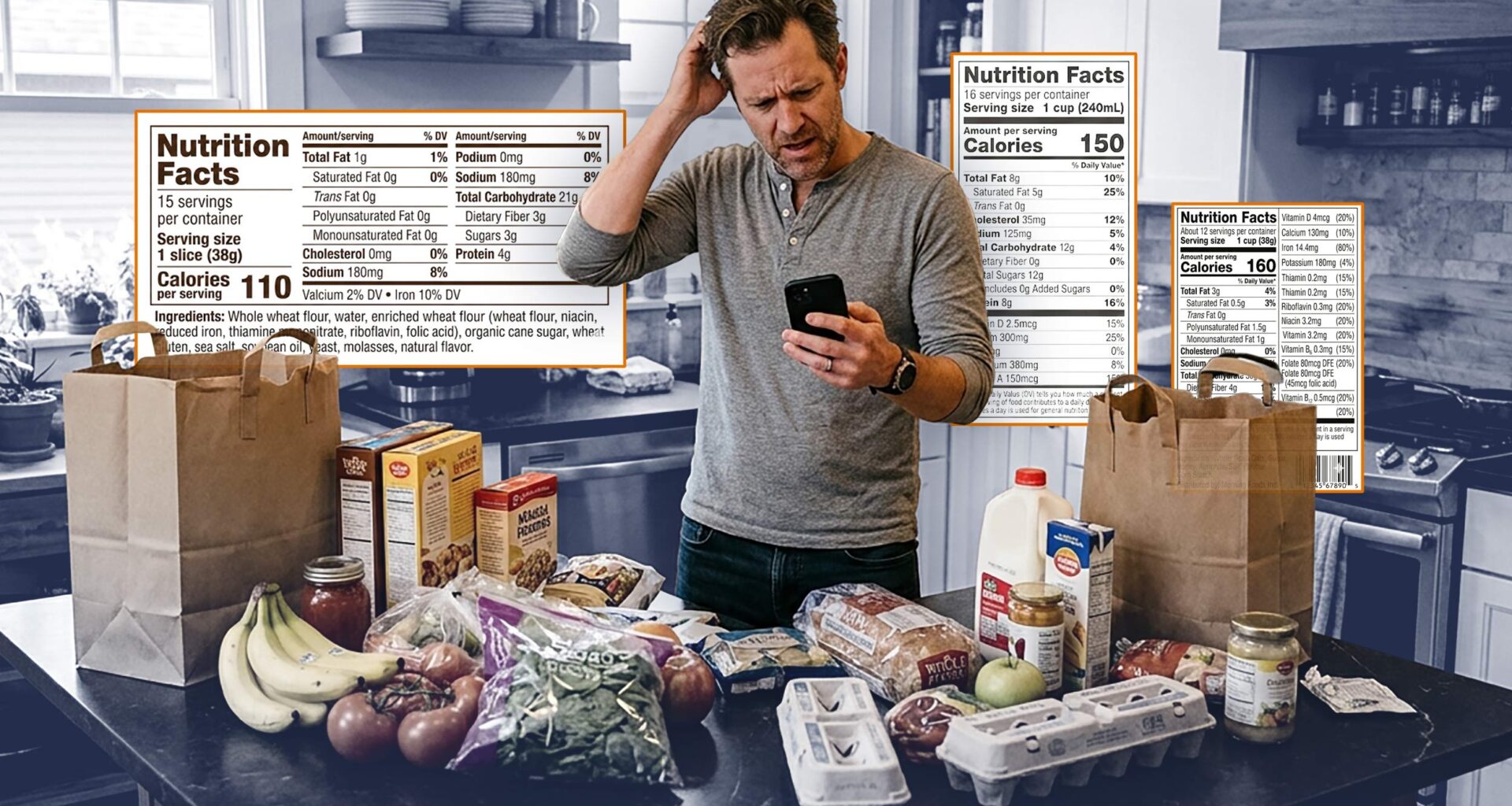
Accurately tracking what you eat is notoriously difficult. Still, the rapid rise of AI-powered apps that could simplify the process intrigued Sibylle Kranz, a researcher at the University of Virginia School of Education and Human Development.
A registered dietician, Kranz signed up for free trials of several popular apps, creating different user profiles and health goals to test features and compare advice.
The results proved to be a mixed bag of convenience and possible inaccuracies.
Kranz, an associate professor, studies how technology such as AI, mobile apps and wearable devices support healthier eating habits. She recently was named an Excellence in Nutrition Fellow of the American Society for Nutrition for her contributions to nutrition science and public understanding.
While diet-tracking apps have existed for decades, Kranz said generative AI has transformed them. Instead of manually logging meals, users can scan a barcode, speak what they ate, or snap a photo of their meal for instant analysis of portion size and nutrients. Some also offer custom meal plans and nutrition coaching.
Compared with a handwritten food diary or scheduling regular appointments with a dietitian, AI tools make meal tracking easier and more accessible, Kranz said. That can help people stay motivated, consistent and successful at reaching goals.
As the apps learn users’ habits, they can recognize subtle patterns and tailor recommendations in ways that generic meal plans, or even a professional dietician, can’t.
“Over time, it’s almost as if the AI knows what you have in your pantry and in your fridge,” she said. “It knows things about you that you don’t know about yourself.”
The technology may make it easier for people to be honest about what they eat.
“Eating and drinking is so personal,” she said, noting that someone uncomfortable sharing such intimate details with a clinician may be willing to share with an app.
That personalization, however, comes with tradeoffs. To generate custom recommendations, apps collect extensive personal information, including eating habits and location data, body measurements and even emotional well-being.
“Unless the user carefully reads the data protection policies, they don’t really know what the company is doing with all this data,” Kranz said. “That’s a big privacy risk.”
Accuracy is another concern, Kranz said. Recent studies have found that AI sometimes underestimates calorie counts or provides incorrect dietary advice. Her own testing of apps backed up those findings.
“I could give you dozens of examples where I took a photo of something I ate, and then I had to correct it because it misinterpreted what’s there,” she said. “Although AI has come a long way, it’s a guessing game still.”
Some apps rely on crowdsourced databases built from user-submitted entries, which can create inconsistent or inaccurate information. As more users input more data, the recommendations continue to shift.
“I experienced that myself, where I took a photo of something it recognized, confirmed it, and put it in the database. A week later, I had the exact same thing, and it identified it differently or changed some of the ingredients,” she said. “The accuracy is just not there.”
Despite those limitations, Kranz believes AI can be a valuable supplement to professional nutritional guidance, although not a replacement.