Avoiding ultra-processed foods, or UPFs, is fast becoming a goal for anyone with even a passing interest in healthy eating. While wholesome foods are always going to be a better choice than those laden with sugar, salt and refined carbs, plenty of unprocessed foods are not the best choices either.
Now, scientists from Harvard University have confirmed that what matters more than how a food is made is the overall quality of your diet.
In their recent study of over 200,000 people, they found that it’s possible to eat a high amount of UPFs and still have a lower risk of heart disease and type 2 diabetes, if the overall diet is healthy. However, a diet of mostly unprocessed foods may still be high in sugar, fat and salt, leaving you at greater risk of developing these conditions.
Many foods classified as UPFs can be part of a healthy diet, including fortified breakfast cereals, wholegrain products, canned beans, and plant-based dairy. Conversely, those considered natural or unprocessed – such as red meat, coconut oil and white rice – should be consumed in limited amounts. “A healthy plant-based diet rich in whole grains, fruits, vegetables, nuts, legumes and healthy plant oils is beneficial, even if it includes some processed foods,” says Dr Xiaowen Wang, one of the authors of the study.
Dietitian Sarah Keogh, founder of Eatwell Nutrition, says the nutritional value of food has the biggest bearing on our health.
“The evidence suggests that, when it comes to the actual impact on health, it is the nutrition of the food that counts,” she says.
“So a food that is low in saturated fat, low in sugar and high in fibre is healthy, whereas a food that is high in saturated fat, sugar and salt is linked with negative health effects, whether it is entirely unprocessed or ultra processed.”
Here we unravel the evidence about UPF foods that are not as unhealthy as they seem – and ‘natural’ or wholesome-sounding foods that we should limit in the diet:
Baked beans – Heinz no added sugar
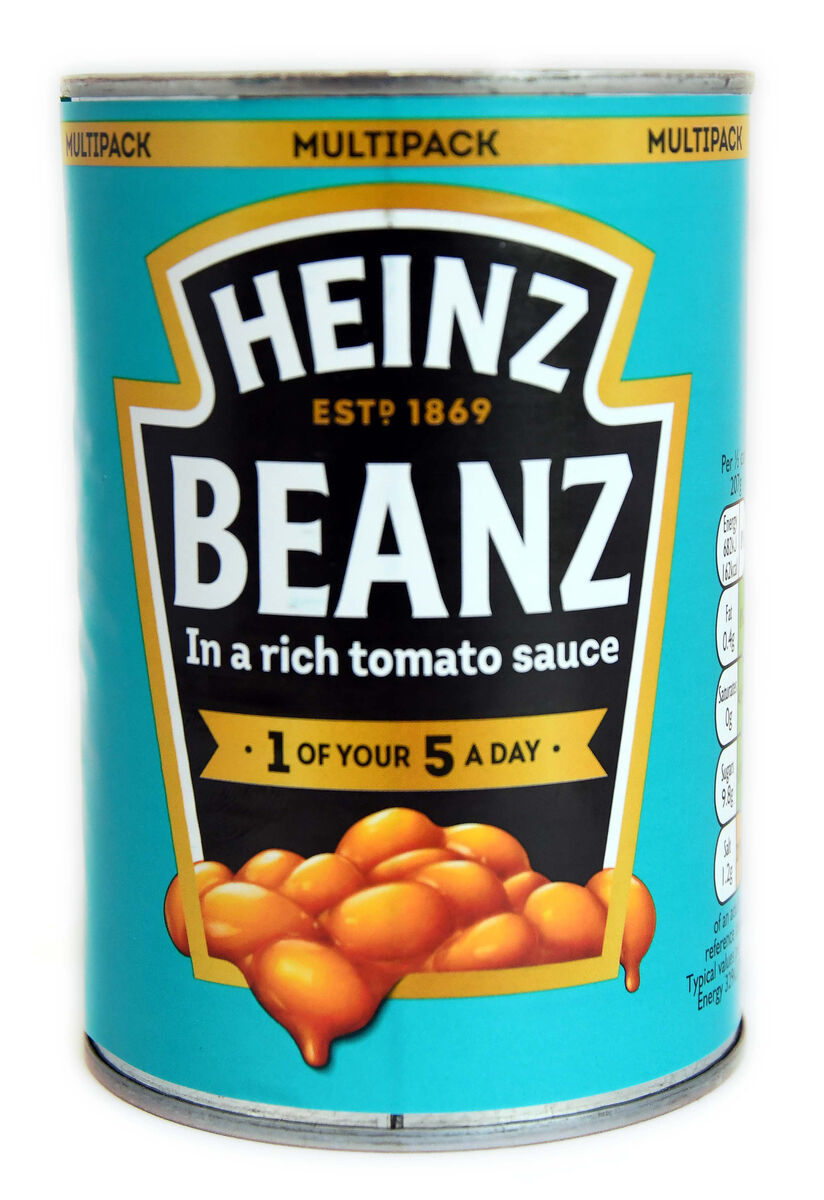 Heinz Baked beans. Picture: Denis Minihane.
Ireland has one of the highest rates of baked bean consumption in the world, ranking second only to Britain. Around half of children’s and over one third of adults’ total bean intake comes from baked beans, and it’s no bad thing. Although it’s best to get a variety of beans and lentils in the diet, baked beans are an underrated food packed with fibre and plant protein.
Olive oil salad dressings – Newman’s Own Italian / Olive Oil & Vinegar Dressing
Many bottled salad dressings are classified as UPF because of the preservatives and additives they contain, but the authors of the latest study suggested that those containing plenty of antioxidant-rich and heart-healthy olive oil should probably not be on our banned list. It’s better to make your own, of course, and a mix of balsamic vinegar, rich in beneficial polyphenols, and olive oil is the easiest option.
Birds Eye Omega 3 Fish Fingers
 Birdseye fish fingers. Photo: Arna Crowley
Although fish fingers are classified as UPF, nutritionists say that if you choose a brand such as Birds Eye which use 100% they can form part of a healthy diet providing some healthy omega 3 fats, selenium, iodine and protein.
Often, it is turmeric and paprika added to breadcrumbs that gives them their zingy colour, but check labels to avoid products with colourings and additives.
Fortified soy milks – Alpro soya unsweetened
They get a bad rap for lacking the nutrients in cows’ milk, but fortified products such as this have added vitamins. Plant milks contain small amounts of fibre, are lower in saturated fats than cows’ milks, and unsweetened soya milk has the highest protein of all plant-based milks. Always shake a carton of plant-based milk before use, as the fortification sediment tends to drop to the bottom.
Weetabix
Made from compressed whole wheat, it contains a decent 10g of fibre per 100g, no additives and barely any sugar or salt. It’s also fortified with B vitamins so a good all-round choice for breakfast.
Bran flakes
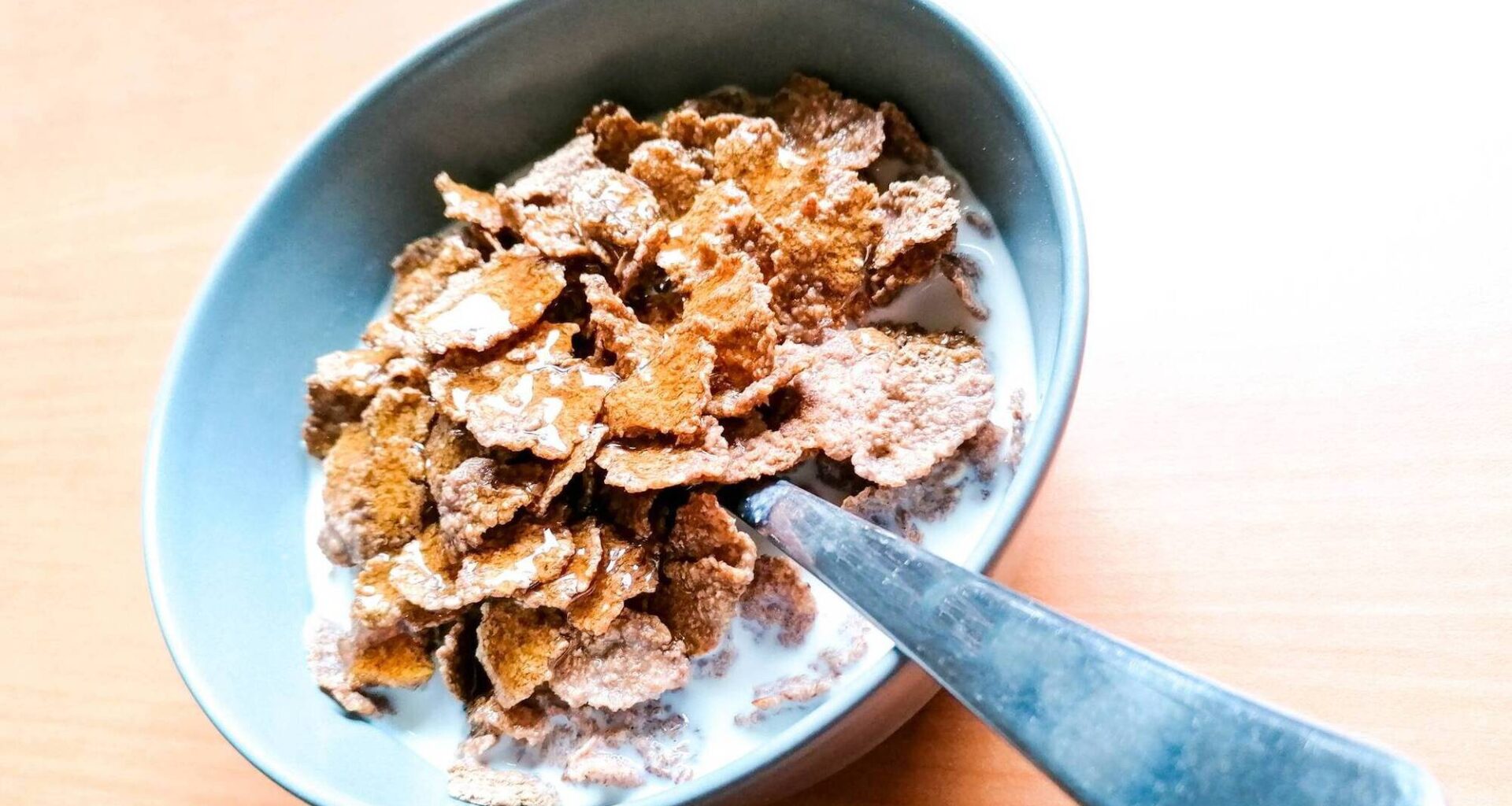
We need 30g of fibre a day, but most of us get much less. Bran flakes contribute to our intake, providing 17g per 100g fibre and they are fortified with B vitamins, iron and vitamin D, with an otherwise short list of ingredients.
Jar pasta sauce – Llyod Grossman No added Sugar Tomato and Basil
While fresh, tomato-based pasta sauces are a better choice, jars can be a healthy stopgap, particularly if they contain no added sugar or unnecessary ingredients such as this one. Look for a high tomato and herb content – this one has 50% tomatoes and 2.5% basil – and add more of your own chilli and spices to ramp up the flavour.
Ketchup – Biona No Added Sugar
Cooking tomatoes substantially raises the level of beneficial antioxidant compounds, such as lycopene, which is protective against many diseases. Ketchup is a decent source of lycopene, and while it can be high in sugar and salt, there are healthier options. Studies have shown that ketchup made from organically grown tomatoes has higher levels of healthy plant compounds and generally, the darker the ketchup in a bottle, the higher the lycopene levels.
Red meat
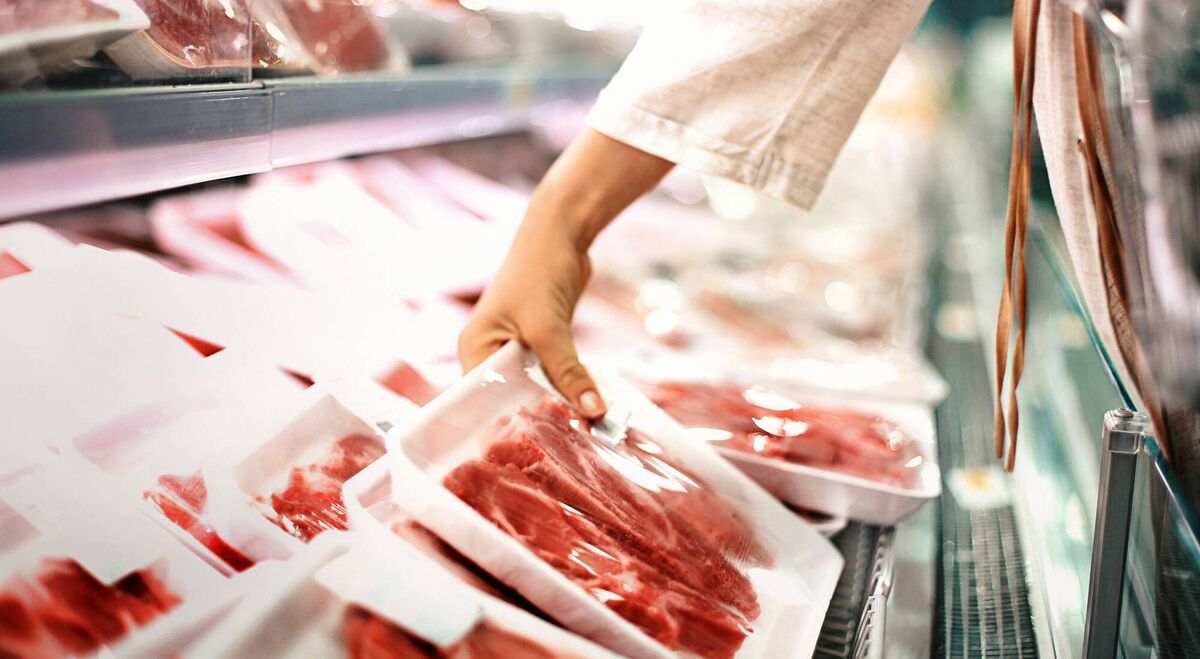 Red meat has been shown to damage bowel cells and is a ‘probable’ cause of bowel cancer. Picture: iStock
HSE guidelines recommend we eat no more than 300-500g red meat per week, or around 70g per day, which is the equivalent of one third of an 8oz steak or five tablespoons of beef mince. The reason? Haem, a red pigment found naturally in red meat, has been shown to damage bowel cells and high intakes of it are listed by the International Agency for Research on Cancer (IARC) as a ‘probable’ cause of bowel cancer. It also contains saturated animal fats, and an intake of 50g or higher of unprocessed red meat a day was shown to increase the risk of heart disease by nine per cent over 30 years.
Coconut oil
It does contain medium-chain triglycerides (MCTs) thought to promote satiety, but those same MCTs are a form of saturated fat the type linked to increased ‘bad’ cholesterol, a risk factor for heart disease. In fact, the saturated fat content of coconut oil is 85 per cent, one third more than butter (at 52%), and a study in the journal Circulation found that regular “consumption of coconut oil results in significantly higher LDL cholesterol” than other plant oils. Best avoided.
Maple syrup
It sounds like a healthier option than refined white table sugar, but maple syrup is no better for your waistline. Cheap versions are often mixed with sugar and other syrups, so check labels if you do buy. And be aware that added sugar can be listed as maple syrup, corn sugar, dextrose, fructose, glucose, high fructose glucose syrup, invert sugar, or honey on food labels.
Apple and mango juice
Not all fruit juice is bad – it does contain vitamins, minerals, and potentially beneficial phytochemicals such as polyphenols that sugar-sweetened drinks would not, and a single glass counts as one of our five a day – but there are 12g of sugars in a 100g apple and mango juice, more than in regular cola (around 10g). Even worse are those labelled mango juice drinks, which contain added sugar and sweeteners.