
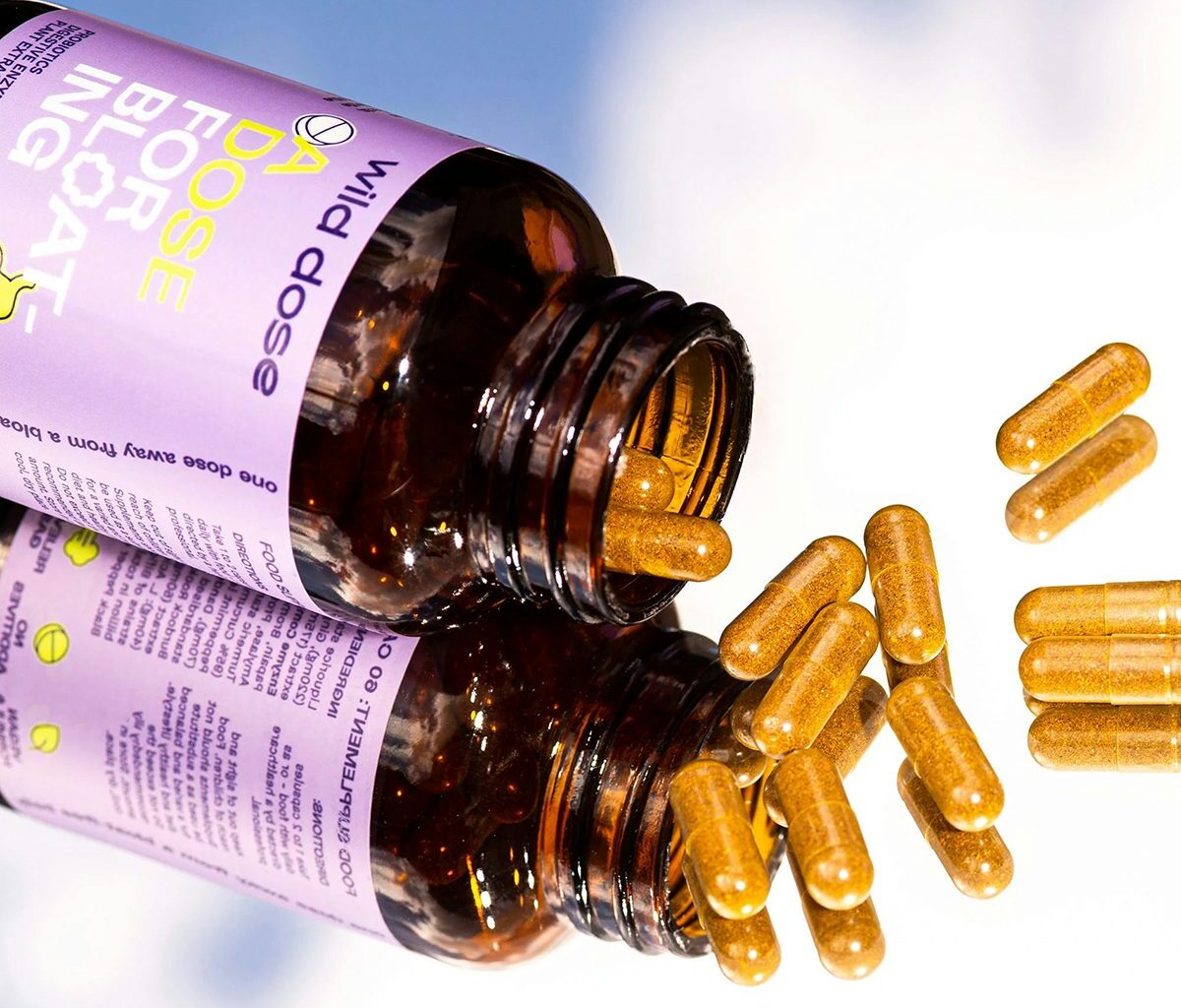
CR speaks branding agencies Ragged Edge and Love Child for a look at how supplements have evolved into a self-care status symbol for a new generation
“Culturally, wellness went from niche to mainstream over the course of a decade or so,” says Max Ottignon, co-founder of branding agency, Ragged Edge. “It has slowly become a proactive, aspirational choice. Social has acted as an accelerant, making it accessible and crucially, visible, while tech and data have made it trackable.”
As a consumer, supplement brands are an easy way into the aspirational world of health and wellness as taking them requires minimal effort. Ragged Edge has been part of a handful of recent branding projects in this space including Heights and Zoe, and Ottignon believes that “taking your AG1 in the morning is a way to tell yourself you’re looking after yourself”, and the purchase of these various powders and capsules has started to act as a “status symbol”.
Supplements used to have a reputation for catering solely towards the 60+ age group. The ailments they targeted, the packaging they were housed in, the way they were marketed was all to a generation where healthy living was a functional part of life and not an all-out lifestyle. So the shift around supplements now offering so much more has created opportunities for brands to rejuvenate the category. “Supplement brands had been stuck in uninspiring stasis. Gym products like protein and creatine were unashamedly macho. Vitamin brands were uninspiring, functional, and looked like they were aimed at your grandparents. There was a huge gap in the market. It didn’t take long to get filled,” says Ottignon.
 Top and Above: Heights branding, Ragged Edge
Sign in