
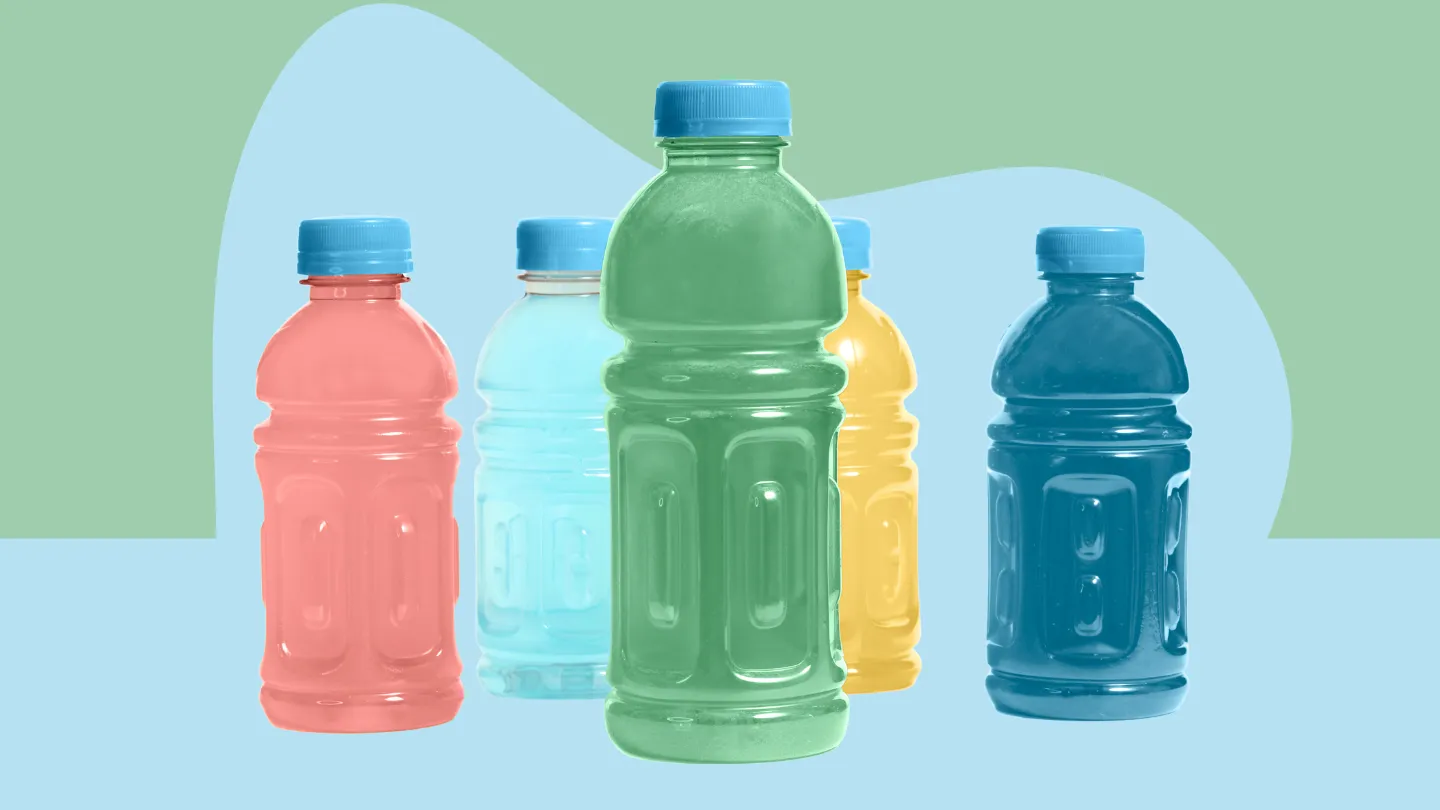
Electrolytes are minerals in your body that affect its fluid balance, nerve and muscle function, and more. They include sodium, potassium, calcium, chloride, magnesium, and phosphorus.
[1]
Electrolytes are naturally present in foods and fluids (such as calcium in milk or sodium in table salt). Brands have also created electrolyte beverages, which are not to be confused with sports drinks.
“Electrolyte powders are products that come in either a single-serve package or a larger multi-serve pouch, ready to be mixed with water,” says Kelly Jones, RD, CSSD, a sports dietitian in the Philadelphia area.
Their purpose is similar to that of a sports drink. “Electrolyte drinks are often marketed to prevent dehydration and help the body replace electrolyte stores,” says Mandy Tyler, RD, a sports dietitian in San Antonio. “Typically, the beverages contain sodium and potassium, and some varieties also include calcium and magnesium, as well as vitamins,” she says.
[2]
If this sounds like a sports drink, that’s because electrolyte and sports drinks are similar, and there is no official definition of either one. However, electrolyte drinks may contain a higher concentration of certain electrolytes, Tyler says. The exact amounts used vary among brands. For example, Gatorade contains 380 milligrams (mg) of sodium per 30-ounce bottle. Some electrolyte powders (intended to be mixed with water) have as much as 1,000 mg of sodium per serving.
Although electrolyte beverages have been widely marketed to expand their reach beyond athletes and into the general public to promote hydration, they’re not necessary for everyone.
[2]
“Generally speaking, these products are best for athletes and people with high activity levels, including those with physically active jobs or who work in the heat,” Jones says. The body loses electrolytes through sweat, so consuming electrolytes through food or beverages will help replenish these minerals.
Another time an electrolyte drink may be warranted is if you have a gastrointestinal illness with vomiting or diarrhea, Tyler adds. These symptoms increase your risk of dehydration and mineral depletion, and electrolyte drinks can help rehydrate your body quickly.
[2]
If you’re not sure if you fit into a group that may benefit, talk to a professional, such as a primary care physician or registered dietitian, before adding in a beverage that has higher amounts of specific nutrients, Jones says.