

by Chris Shugart
Elderberry supplements are everywhere now. But what are they supposed to do? What does science say? Let’s find out.
Purple. Purple as far as the eye could see. Purple everywhere. I was at the health food store, assaulted by the color purple. Later that day, the same thing happened at Target. I glanced down the supplement aisle and it looked like the ghost of Prince had redecorated it. What was going on?
Elderberry supplements. That’s what.
Elderberries are hot right now. But what do they supposedly do, and what does the research say?
Elderberry supplements: The claims
Elderberry supplements (capsules, syrups, lozenges, powders, drops, gummies, etc.) claim to strengthen your immune response, helping prevent colds and flu or shorten their duration. Many claim that elderberries ward off COVID-19 which probably explains their recent popularity.
Elderberry supplements claim to protect cells from oxidative damage, decrease systemic inflammation, and improve heart health.
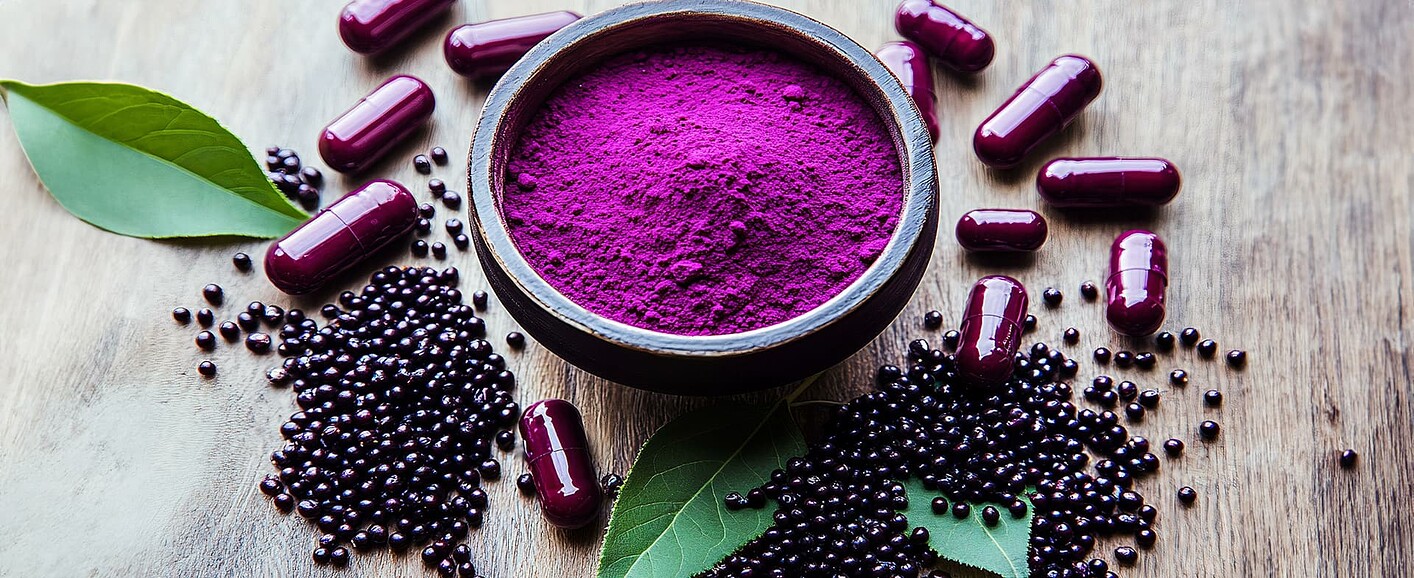
How do elderberries do this?
Elderberries are rich in flavonoids which have antioxidant and anti-inflammatory effects. These compounds, in general, enhance immune cell activity and reduce oxidative stress.
Elderberries contain several bioactive compounds that may inhibit viral replication. These compounds work through various mechanisms, such as interfering with the virus’s ability to bind to host cells or disrupting its replication processes.
The primary flavonoids are anthocyanins, which also give the berries their deep purple color. Anthocyanins block viral glycoproteins, which viruses use to attach to host cells. This prevents infection or slows viral spread. Elderberries also contain phenolic acids, which can inhibit viral replication by interfering with enzymes or directly damaging viral particles.
Cool. But do the supplements work?
Elderberries are plants and therefore contain antioxidants. However, their ORAC value – a measure of a food’s ability to neutralize free radicals – is very high: 14,700 µmol TE/100g (about 3.5 ounces or just over 2/3 cup of fresh berries). Yep, this is one healthy berry. The only issue? They have a short growing season, a few weeks, and are highly perishable, so they can be tough to find in fresh form.
As for supplements, the evidence is promising, but a lot of the research was conducted in vitro or in small human studies. However, one study from the Journal of International Medical Research found that people with flu symptoms had symptom resolution four days earlier than the placebo group. They took 15 mL of elderberry syrup four times daily for five days.
Elderberry supplements are also marketed to frequent flyers. In another study, air travelers who took 300 mg of elderberry extract ten days before flying and caught colds reported kicking their colds a few days faster with fewer symptoms than placebo takers (Nutrients, 2016).
Finally, in the lab, elderberry inhibited the replication of influenza A and B viruses by blocking viral entry and attachment to host cells and “showed potential to inhibit coronaviruses.”
However, other studies showed no significant difference in influenza infection rate between the elderberry and placebo groups. Research from Frontiers in Plant Science (2020) found no clinical evidence supporting its efficacy against COVID-19.
Why did elderberries not do their thing in some studies? It could be because not all elderberry supplements are standardized for anthocyanin or polyphenol content. Products with low levels of active compounds aren’t very effective. Also, elderberry appears most effective when taken at the onset of symptoms. Delayed use reduces its efficacy.
Here’s what we can conclude:
Eating elderberries is certainly healthy if you can find them.
Studies on elderberry supplements are somewhat limited with mixed results.
Elderberry supps aren’t going to hurt you, but they may not provide all the effects you’re taking them for. If you want to try elderberry extract, use a high dose, standardized to anthocyanins at the onset of cold/flu symptoms, or take it at least ten days before flying. It might help prevent certain illnesses or at least shorten their duration. If not, well, the flavonoids are still good for you.
Am I going to take elderberry supps?
No. Here’s my reasoning:
1. I take Biotest Superfood
All the plant antioxidant and anti-inflammatory effects I’m after are already taken care of by Superfood (Buy at Amazon). One serving has a higher ORAC rating than a big serving of elderberries. In short, I’m already covered on those fronts and getting those particular benefits.

2. I use C3G (cyanidin-3-glucoside) for its body composition effects.
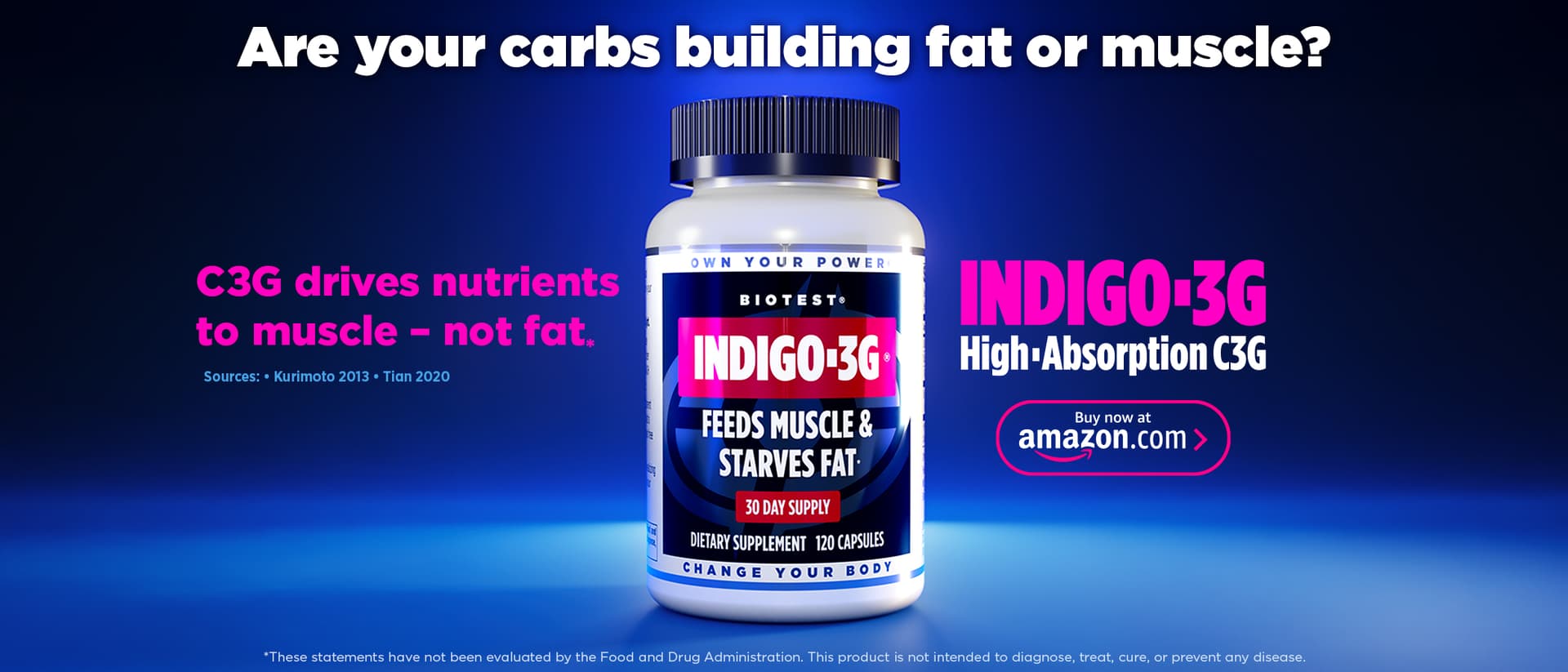
C3G, sold as Indigo-3G (Buy at Amazon), is a specific glycosylated anthocyanin.
C3G has been studied for benefits like those attributed to elderberries, particularly its antiviral, antioxidant, immune-modulating, and anti-inflammatory properties. Since C3G is one of the key bioactive anthocyanins in elderberries, many of the health effects of elderberry products are closely linked to C3G.
For example, C3G has demonstrated antiviral activity in studies. It inhibits the replication of flu viruses by blocking viral entry into host cells, and it interferes with the attachment of viruses to host cell receptors. Sound familiar?
C3G also enhances immune cell function, promoting a stronger defense against pathogens. It increases cytokine production, which supports immune responses against infections. It’s a potent antioxidant and anti-inflammatory, too. So, while elderberry supplements show a lot of promise, I’m already covered.
3. I use beta glucan before flying and big gatherings during cold and flu season.
Beta Glucan (Buy at Amazon) has a more direct and impactful effect on the immune system.
It basically “trains” the immune system and prepares it for attack. Beta glucan greatly reduces the likelihood of getting an upper respiratory tract infection. If you do get sick, it helps reduce the severity of the symptoms by as much as 80%. (Details here.) Once again, I’m covered, so I don’t need elderberry supplements.

If you’re using one or two of the supplements above, you probably won’t see any additional benefits from elderberry products, but they’re not terrible.