
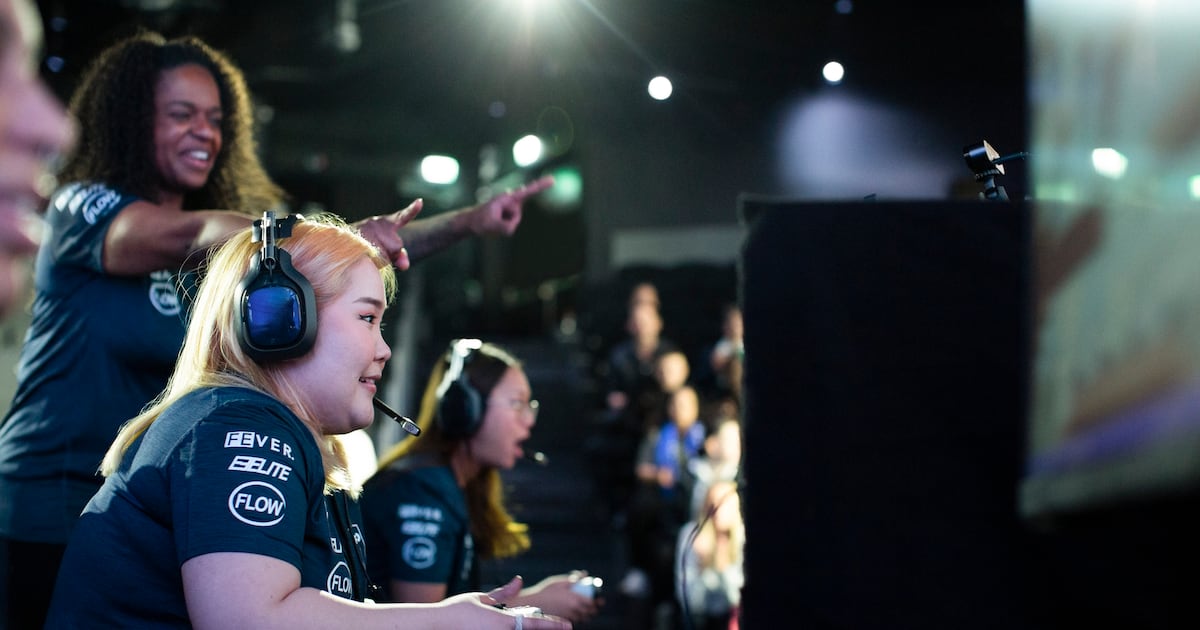
Pure caffeine supplementation was associated with consistent improvements in cognitive function, gaming performance and psychological mood.
The review analysed 13 randomised controlled trials (RCTs) comprising 18 nutritional supplementation protocols. Of these, 14 involved either pure caffeine or caffeine combined with ingredients such as Dynamine, TeaCrine, L-theanine, chlorogenic acid, and multivitamins.
The remaining protocols contained active ingredients such as inositol-enhanced arginine silicate (ASI + I) and gamma-aminobutyric acid (GABA), which are said to be promising but lacking substantial evidence.
Conducted by researchers from Jiangxi University of Technology and Jiangxi Normal University in China, the review is believed to be the first to synthesise RCT evidence on the safety and efficacy of nutritional supplements for esports players. Previous systematic reviews have examined the effects of dietary supplements on cognitive function in esports players but have not specifically investigated evidence from RCTs.
The review
The systematic review involved 13 RCTs published between 2019 and 2025, conducted across the US, Spain, Australia, Japan, Taiwan and India. The studies were retrieved from PubMed, Scopus, Web of Science and Embase.
The 13 studies involved 466 participants, of whom 85% were male. Three studies enrolled elite esports players, while the remaining 10 focused on amateur players.
The review evaluated 18 nutritional supplementation protocols, which were consumed in the form of capsules or energy drinks.
Researchers measured the effects of these interventions on cognitive function, including attention, executive function, reaction time and alertness; psychological mood, including fatigue, vitality and emotional distress; as well as gaming performance through game scores, task completion time, shooting accuracy and kill ratios. Safety was also evaluated based on reported adverse events and side effects.
Caffeine boosts performance, but optimal dose remains unclear
Findings revealed that caffeine was the most popular ingredient in esports supplements, with links to improvements in cognitive function, gaming performance and psychological mood.
Pure caffeine was linked to faster reaction times, improved shooting accuracy, higher kill ratios, increased alertness and reduced fatigue.
Caffeine-containing formulations, on the other hand, also enhanced attention, cognitive flexibility and executive function, while improving vitality and reducing negative emotions.
“Its [caffeine] chemical structure is similar to adenosine, and it competitively blocks adenosine receptors, counteracting the inhibitory effects of adenosine, enhancing neuronal activity, reducing fatigue, and improving alertness,” researchers wrote in the Journal of the International Society of Sports Nutrition.
The dose of caffeine ranged from 40mg to 270mg across the 13 RCTs. Since caffeine dosages varied across the RCTs, it is difficult to make like-for-like comparisons between studies and as such, no clear optimal dose was recommended by the researchers.
“Future research should employ standardised cognitive performance and gaming performance assessment tools whilst administering weight-adjusted caffeine doses (e.g. 3–6 milligrams per kilogram),” the researchers wrote.
Non-caffeine options
Two studies in the review evaluated inositol-enhanced arginine silicate (ASI + I) with a dosage of 1500 mg of arginine silicate and 100 mg of inositol. The evidence suggested that ASI + I improved executive function, working memory and vitality, while decreasing anger scores.
“ASI + I, as an active nutritional component, can increase levels of arginine, silicon, and nitric oxide in the blood, thereby improving cerebral blood flow and neural transmission,” the researchers wrote. “Inositol, as a stabiliser, enhances the bioavailability of arginine and participates in neurotransmitter regulation.”
For gamma-aminobutyric acid (GABA), one study in the review reported that 200mg of GABA could reduce fatigue and negative emotions while improving gaming performance.
“GABA is an amino acid that influences psychological mood. By activating the parasympathetic nervous system, it increases brain waves and reduces salivary cortisol. Parasympathetic dominance is associated with shorter reaction times and better cognitive performance,” they wrote.
However, evidence for these non-caffeine ingredients remains sparse. The study populations were small and mostly comprised of non-elite esports players. The researchers recommend future studies with larger sample sizes and more diverse groups, such as professional esports players.
Relatively safe but needs more evidence
Among the 13 RCTs, no serious adverse events were reported. However, some caffeine-containing supplements were associated with higher cortisol levels, anxiety, tension and headaches.
The researchers also cautioned that the findings should be interpreted as preliminary, since most involved small sample sizes, predominantly amateur and male participants.
They have called for larger, well-designed trials involving more female and elite esports players, alongside standardised outcome measures, supplementation protocols and adverse event reporting to strengthen the evidence base.
They added that intelligent data collection methods, such as integrating wearable devices with sensors, may enable more effective monitoring of esports players’ real-time physiological states and could overcome the limitations of traditional cognitive testing and subjective questionnaire data collection.
Source: Journal of the International Society of Sports Nutrition. doi: 10.1080/15502783.2025.2603303. “Nutritional supplements to improve esports player performance: a systematic review of randomized controlled trials.” Authors: Huang, D. et al.