
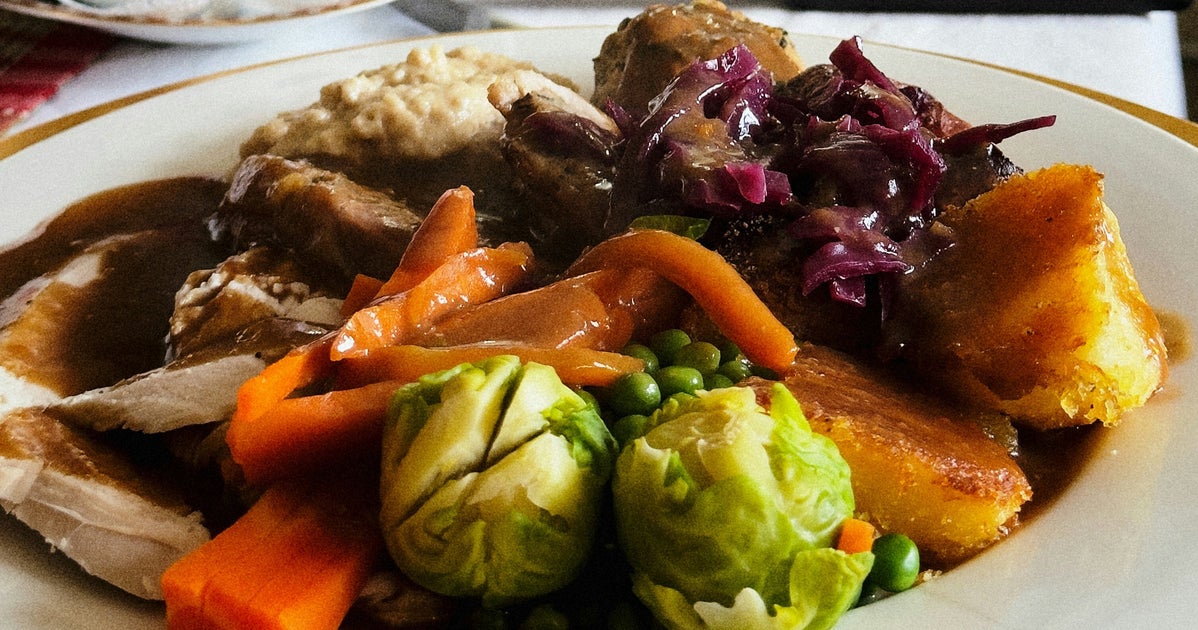
Peas appear to be off the menu for plenty of Brits, with figures showing consumption has dropped to a 50-year low.
Data from the Department for Environment, Food and Rural Affairs, reported by The Telegraph, found the average Brit ate 37g of peas a week last year, down from 144g eaten weekly in 1975.
Experts believe it’s probably got something to do with the fact there are trendier vegetables to dish up, but nutritionists and dietitians are increasingly touting the health benefits of the humble pea.
Given the price of food is rising, and a sizeable bag of frozen peas can be purchased from £1.50, with the small green spheres cooked in a couple of minutes, we predict they’re due a revival. Particularly at a time when everyone’s obsessed with so-called ‘fibremaxxing’.
Despite the drop in consumption over the decades, the humble green veggie ranks sixth in the overall vegetable popularity charts, according to YouGov, with 83% of people saying they have a positive opinion of them.
Nutritionist Charlotte Stirling-Reed loves peas as they’re cheap, accessible and last a long time. “I ALWAYS have a bag of peas in my freezer and they are a staple I tap into a good few times a week,” she told HuffPost UK.
Dr Carrie Ruxton, a dietitian and co-founder of Salt St Andrews gym, is also a fan. She eats them at least once a week in dishes like Spanish omelette and kedgeree, or served with Scotch sirloin steak and mash.
Here’s the case for adding more of them to your weekly meals.
Top health benefits of peas, according to experts
Peas are high in fibre
An eye-watering 90% of Brits fail to hit the recommended 30g a day of fibre, yet getting enough of the stuff has been linked to lower bowel cancer, dementia, and heart disease risk, as well as better bowel movements.
Cooked peas contain about 9g of fibre per cup serving – making them one of the most fibre-rich veggies you could add to your plate.
As well as being a source of fibre, they’re are also a source of plant-based protein.
“Fibre is important for supporting digestion and feeding beneficial gut bacteria, whilst protein helps to support satiety as well as muscle growth and repair,” said Stirling-Reed.
The teeny veggies are also great for weaning babies as they can be puréed easily. “In fact, they are a go-to vegetable for most parents due to their high fibre content which is great for kids’ gut health,” added Dr Ruxton.
Peas are rich in folate
Folate is a B vitamin, which helps the body form healthy red blood cells and reduces the risk of birth defects in unborn babies. As a result it’s especially important during conception and pregnancy. The vitamin can also help prevent cognitive decline in older age.
“More than 90% of younger women are deficient in folate – which is why the government wants to add folic acid (a more bioavailable form) to white flour,” said Dr Ruxton.
Peas are a good source of iron
A serving of peas provides around a tenth of the daily iron recommendation.
Stirling-Reed said 100g of peas provides around 1.5mg of iron, which is similar to the amount of iron found in eggs.
“Adding a handful of peas as a side, or into cooked meals like bolognaise or curries, or blitzing them into homemade pesto even, can be a really simple way to up your family’s iron intake,” said the nutritionist.
“This can be particularly helpful for fussier kids too, who might struggle to get enough iron in their diet but who often find peas an acceptable veg!”
Dr Ruxton noted that, even for grown-ups, iron is important for mental agility and reducing fatigue. She pointed out that around four in 10 women are low in iron.
How to cook and eat them
You can add peas to mac and cheese, gnocchi dishes, curries, risottos, grain bowls, soups, fried rice, cottage pies, and even whizz it into pesto.
If you’re having them as a standalone side dish, both experts agree that boiling them isn’t the way to go if you want to preserve the vitamins.
“Quickly steaming or microwaving rather than over-boiling peas can help to preserve heat-sensitive vitamins (like Vitamin C and folate),” said Stirling-Reed.
For frozen peas, Dr Ruxton advises putting them in a bowl with a tablespoon of water and microwaving them for 2-3 minutes to “preserve most of the vitamin C”.
“Drinking a glass of 100% orange juice with a meal containing peas helps to boost absorption of iron,” she added.
Stirlng-Reed recommends consuming peas with healthy fats, such as olive oil, avocado or nuts and seeds to support the absorption of fat-soluble compounds like lutein and vitamin K.
Anything else to note?
The nutritionist noted that as peas contain vitamin K, which plays a key role in blood clotting, “people who are taking blood-thinning medications like Warfarin should keep their Vitamin K intake consistent and discuss significant diet changes with their GP or dietitian”.
Eating plenty of peas might also trigger IBS symptoms in certain individuals, but this should “always be discussed with a specialist clinician to make sure you’re not avoiding them unnecessarily, or including them in your diet when they are making symptoms worse”, she added.
I, for one, will be giving peas a chance.