
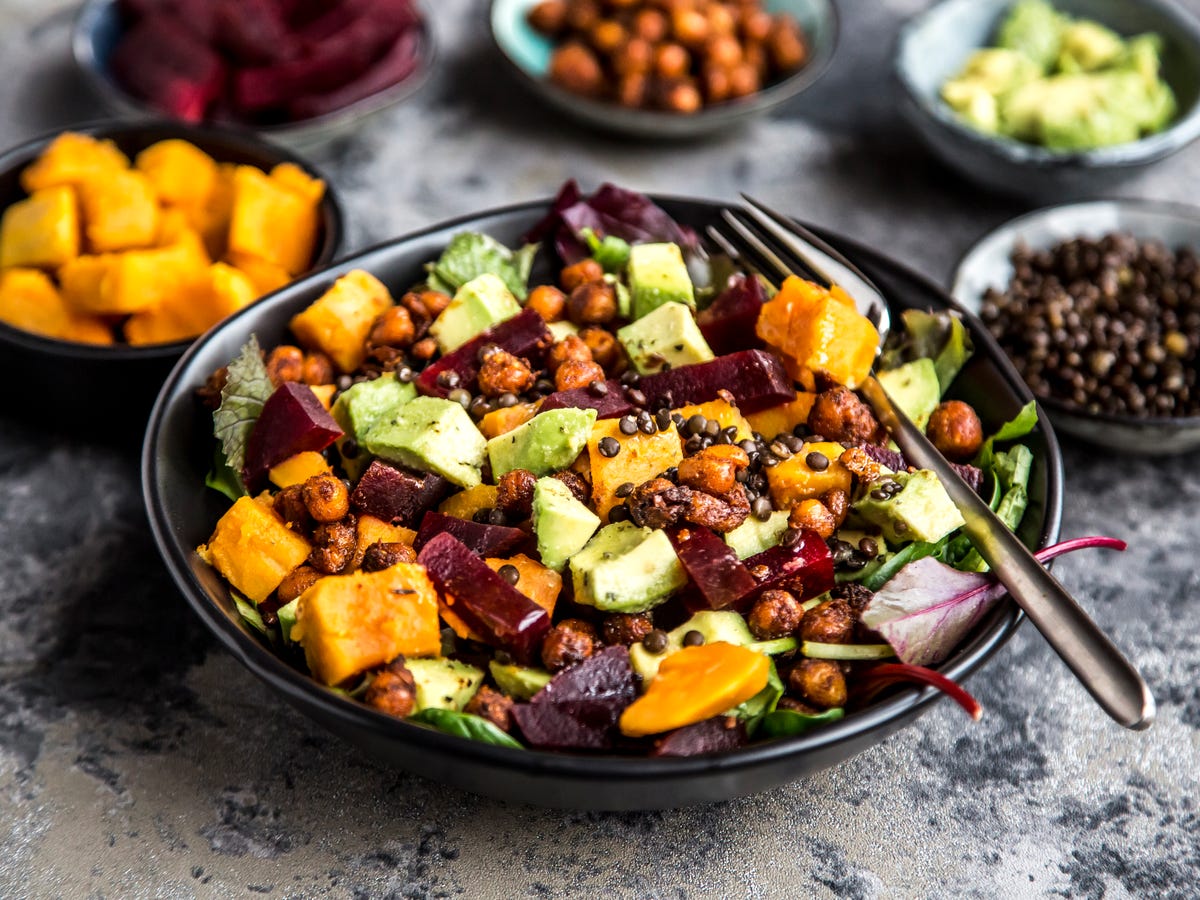
When you picture autumn and winter produce, you probably think of butternut squash, sweet potatoes and pumpkins piled high at farmers’ markets. And those foods do deserve their spot on your table. But if protein is what you’re after, the real standout of the season is easy to overlook: the humble lentil.
Lentils are pulses, the dried edible seeds of legume plants. They’re inexpensive, quick to cook and don’t need soaking. They also deliver a serious nutrition boost for such a small package. Here’s what makes lentils worth a regular spot in your cool-weather cooking.
How much protein lentils really have
Around 100g serving of cooked lentils provides about 9 grams of protein.
That number stands out when you compare it to other fall favourites:
Cooked lentils: about 9 grams of proteinBaked sweet potato: about 2 gramsCooked Brussels sprouts: about 2 gramsCanned pumpkin: about 1 gramCooked butternut squash: about 1 gram
It’s worth knowing that lentils are what nutrition experts call an incomplete protein. That term means the food doesn’t supply all nine essential amino acids in the proportions your body needs, unlike animal proteins such as eggs, dairy or meat, which do. Lentils have all nine, but one of them, methionine, is present in smaller amounts relative to what your body requires.
The easy fix? Pair lentils with grains. Rice, quinoa, barley and whole-grain bread tend to be higher in methionine and complement lentils’ amino acid profile well.
‘The old advice to combine proteins at each meal, such as rice and beans, is outdated, because your body pools amino acids from what you eat over the day, so no, you don’t need to think about it, even if you’re vegan or vegetarian. Eating a variety of plant proteins, like grains, nuts and seeds, covers your needs,’ shares Raksha Shah, M.A., R.D.N., registered dietitian.
Lentils nutrition
Protein is only part of the story. Here are the key nutrients in 100g serving of cooked lentils:
Calories: 113Protein: 9 gramsFibre: 7.8 gramsIron: 3.3 milligramsFolate: 179 microgramsPotassium: 365 milligramsMagnesium: 35.6 milligramsCarbohydrates: 19.3 gramsFat: 0.4 grams
‘Lentils also contain antioxidants including polyphenols, saponins, and phytosterols, which have been linked to better heart health, a lower risk of type 2 diabetes, and potential anticancer effects,’ shares Sarah Anzlovar, M.S., R.D.N., L.D.N., registered dietitian.
Fibre
With nearly 8 grams per 100g, lentils provide close to 28% of the UK government and NHS recommended target of 30g of fibre a day. That matters because many of us don’t get enough. Eating more fibre is linked to better digestion and steadier blood sugar, and research also ties higher fibre intake to a lower risk of heart disease. Fibre also helps you feel full, which may make lentils a satisfying choice when you want a hearty meal.
That satiety effect is reinforced by lentils’ low glycemic index: they’re digested slowly, so they don’t cause a rapid spike in blood sugar – a quality that may also make them a smart choice for people managing diabetes or watching their blood sugar levels.
Iron
Around 100g of cooked lentils supplies about 18% of the NHS daily target for iron (for women aged 19-49 and 29% to 40% for adult men and women over 50), a mineral your body needs to carry oxygen in the blood. The iron in plant foods (called non-heme iron) isn’t absorbed as easily as the iron in meat. The good news: pairing lentils with a source of vitamin C, like tomatoes, bell peppers or a squeeze of lemon, can help your body absorb more of it.
Folate
According to the NHS, adults need 0.2mg (milligrams) of folate a day and cooked lentils are an excellent source, providing about 45% per 100g of the daily target. This B vitamin helps your body make new cells. It’s especially important before and during pregnancy because adequate folate helps lower the risk of certain birth defects. If you’re pregnant or planning to be, talk with your doctor about your needs, since food alone may not cover them.
Lentils also offer potassium and magnesium, two minerals many people fall short on, and they’re naturally low in fat and free of cholesterol.
Easy ways to add lentils to your fall meals
The best part about lentils may be how easily they fit into the comforting dishes you’re already making this time of year. Red lentils cook down in about 15 to 20 minutes and turn soft and creamy. Brown and green lentils take closer to 20 to 30 minutes and hold their shape better. Canned lentils work, too. Just give them a rinse to wash off some of the added sodium.
A few ideas to get you started:
Stir them into soup or chilli. A handful of red lentils thickens a pot of soup and adds protein without much extra effort.Pair them with roasted squash. Toss cooked green lentils with roasted butternut squash, greens and a lemony dressing for a hearty grain bowl or salad.Make a simple dal. Simmer red lentils with onion, garlic, spices, and a scoop of canned pumpkin, then serve over brown rice.Stretch your mince. Swap half the beef in a bolognese or shepherd’s pie for cooked brown lentils. You’ll still get a rich, comforting dish with more fibre.Add crunch and sweetness. Mix cooked lentils with diced apples, toasted walnuts, and a mustard vinaigrette for a fall-ready side.
‘To make lentils more approachable, try the steamed lentils sold in the produce section. They’re precooked and ready to eat when you are,’ shares Kelly Jones, M.S., R.D., CSSD, registered dietitian.
You don’t need to overhaul your diet to benefit. Adding lentils to just a meal or two each week is an easy, budget-friendly way to get more protein, fibre, iron, and folate onto your plate. Grab a bag the next time you’re stocking up for soup season.
MORE ON HEALTH AND FITNESS
Stefani (she/her) is a registered dietitian, a NASM-certified personal trainer and the director of the Good Housekeeping Institute Nutrition and Fitness Lab, where she oversees all nutrition and fitness-related content, testing and evaluation. She holds a master’s degree in clinical nutrition from New York University, as well as advanced certifications as a Women’s Fitness Specialist and a Behavior Change Specialist. Stefani is dedicated to providing readers with evidence-based content to encourage informed food choices and healthy living. She is an avid CrossFitter and a passionate home cook who loves spending time with her big fit Greek family.