

Your gut is more than just a digestive powerhouse; it is a bustling ecosystem that plays a key role in your overall health. But like any thriving community, it needs the right resources to flourish. Enter the ‘biotics’ trio: probiotics, prebiotics, and postbiotics.
‘Prebiotics, probiotics, and postbiotics act as a team to support gut and overall health, each playing a distinct but complementary role,’ says Minnesota-based registered dietitian Alyssa Northrop, M.P.H., R.D.
Whether you’re a seasoned wellness enthusiast or just dipping your toes into the world of gut health, understanding how these three work in harmony can unlock a whole new level of wellbeing. Let’s break it down, one ‘biotic’ at a time, to see how you can support your body through simple, evidence-based dietary choices.
What are probiotics?
Probiotics are the beneficial microorganisms, often referred to as ‘good bacteria’, that play a key role in maintaining gut health and overall vitality. Probiotics can also include beneficial yeasts.
‘We get probiotics through our diets from foods that contain live, active cultures like yogurt and kefir,’ says Jane Leverich, M.S., R.D.N., a registered dietitian in Denver, Colorado. Other fermented foods, such as kimchi and sauerkraut, may also contain live microbes if they’re unpasteurised, but they don’t always meet the definition of a probiotic food.
Kombucha (a lightly effervescent fermented tea) and natto (sticky, fermented soybeans) may contain live microorganisms as well. Sourdough starter contains live microbes, but the heat in the baking process kills them. That said, fermentation can still offer benefits, including the production of lactic acid, which makes sourdough bread easier to digest.
But what makes probiotics so essential? These microbes help digest food, produce vitamins, and protect against harmful bacteria. Research also suggests that they may enhance immune function and support skin health.
However, not all probiotics are the same. Different strains of bacteria offer unique benefits, which is why variety in your probiotic sources is so important. For instance, Lactobacillus and Bifidobacterium are two common genera of probiotic bacteria, each with its own set of supportive roles in digestion and immunity. The key is to adopt a diet rich in diverse fermented foods or choose high-quality, evidence-backed probiotic supplements to support a healthy and balanced gut microbiome.
What are prebiotics?
Prebiotics are often overshadowed by probiotics, but they play an equally crucial role in maintaining gut health.
‘Prebiotics are fibres that feed beneficial bacteria already living in your gut,’ says Northrop. ‘You’ll find them in foods like garlic, onions, bananas, asparagus, oats, apples, and potatoes.’
To add even more variety to your plate, you can incorporate other prebiotic-rich foods such as leeks, dandelion greens, chicory root, barley, and flaxseeds.
Just as humans don’t thrive without proper fuel, the beneficial bacteria in your gut rely on prebiotics to perform their best. Without adequate prebiotic intake, the gut microbiome can become imbalanced. This imbalance may potentially lead to issues including inflammation, weakened immunity, and metabolic disruptions.
Research has shown that prebiotics not only support digestion but also contribute to the production of short-chain fatty acids (SCFAs), helpful compounds created when your gut bacteria break down fibre. SCFAs act as a vital energy source for the cells lining your colon. They help reduce inflammation and keep your gut lining strong, ensuring that your digestive system functions smoothly.
Beyond the gut, adequate prebiotic intake has been linked to benefits such as enhanced bone health, supported cognitive function, and a reduced risk of chronic conditions such as diabetes and obesity.
What are postbiotics?
Postbiotics are the newest members of the ‘biotic’ gut health conversation, but they may be the most important part of the equation. If prebiotics are the fertiliser and probiotics are the plants, postbiotics are the harvest. They are the beneficial compounds produced when live bacteria (probiotics) digest fibre (prebiotics) in your colon.
‘Postbiotics are the product left over after probiotics have been fed by prebiotics,’ explains chef and dietitian Sharniquia White, M.S., R.D.N., L.D.N. ‘These byproducts, like the short-chain fatty acid butyrate, are increasingly recognized for their role in supporting gut barrier integrity, reducing inflammation, and influencing immune and metabolic health.’
The term ‘gut barrier integrity’ simply refers to the strength of your intestinal wall. A strong gut barrier acts like a secure fence, allowing essential nutrients to pass into your bloodstream while keeping harmful bacteria, toxins, and undigested food particles safely contained inside the digestive tract.
These postbiotic compounds, which include enzymes, peptides, and the aforementioned short-chain fatty acids, are essentially the reward your body gets for maintaining a healthy gut. Unlike prebiotics and probiotics, you generally cannot directly ‘eat’ postbiotics in whole foods. Instead, they are naturally created when your diet includes enough prebiotics and probiotics to fuel the fermentation process.
Emerging evidence suggests that many of the health benefits we traditionally associate with probiotics actually come from the postbiotics they produce. For example, postbiotics play a key role in fighting harmful bacteria by producing antimicrobial compounds such as lactic acid and bacteriocins.
How prebiotics, probiotics, and postbiotics work together
Understanding the difference between prebiotics, probiotics, and postbiotics is much easier when you know how they work as a unified system.
Prebiotics nourish the probiotics in your gut, helping them thrive. Probiotics, in turn, break down prebiotic fibres, making it possible for your body to produce health-supporting postbiotics. Without all three working together, your gut health would not function at its full potential.
Fibre-rich foods like fruits, vegetables, legumes, and grains naturally provide prebiotics, while certain fermented favourites such as yogurt and kefir deliver probiotics. Together, they help create a thriving environment for your gut microbiota, which in turn produces postbiotics like short-chain fatty acids – key players in reducing inflammation and supporting a healthy immune system.
While supplements exist for all three, the scientific community largely agrees that a balanced diet rich in whole foods, fibre, and fermented products is the most effective and evidence-based way to support this microscopic teamwork.
Frequently asked questions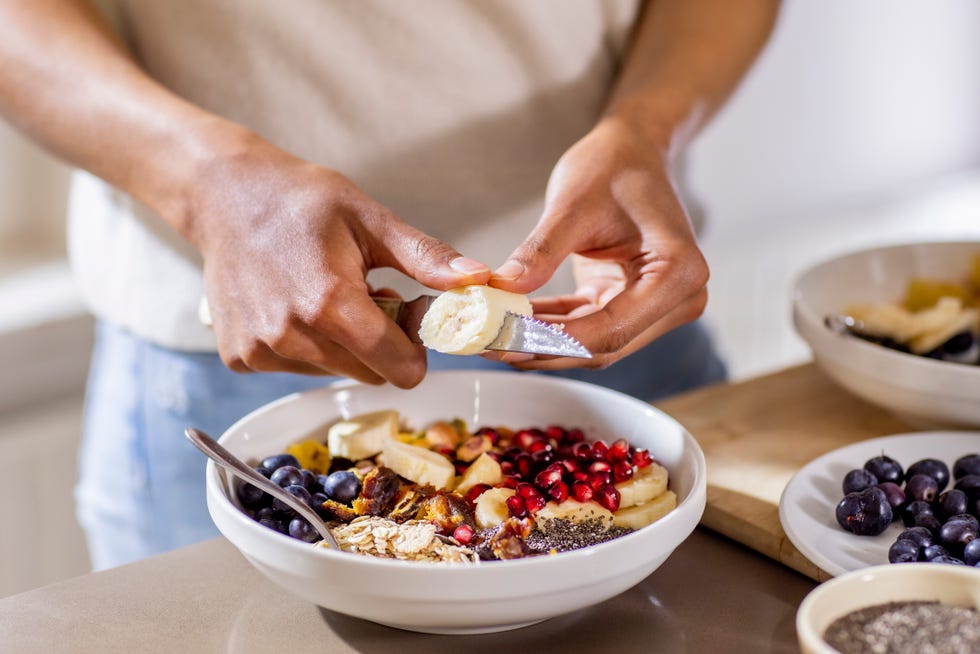
EMS-FORSTER-PRODUCTIONS//Getty Images
Do I need to take a supplement for all three types of biotics?
Most healthy adults do not need to take supplements to get the benefits of prebiotics, probiotics, and postbiotics. A balanced diet that includes plenty of fibre-rich fruits, vegetables, whole grains, and fermented foods will naturally support this cycle. However, if you have specific gastrointestinal issues, a health care provider might recommend a targeted supplement to help balance your gut flora. If you struggle to consume fermented foods, fibre-rich foods, or other foods that provide either prebiotics or probiotics, a supplement can be explored with your medical provider.
Can I get enough of these from food alone?
Yes, you can absolutely support a healthy gut microbiome through diet alone. By eating a wide variety of plant foods for prebiotic fibre and incorporating fermented foods for probiotics, you give your body exactly what it needs. This food-first approach ensures that your gut naturally produces the beneficial postbiotics required for optimal digestion and immune support.
Are there side effects to adding more biotics to my diet?
When you suddenly increase your intake of fibre or fermented foods, you might experience temporary bloating, gas, or mild digestive discomfort. This happens because your gut bacteria are adjusting to the new food sources and actively fermenting them. To minimise these effects, introduce prebiotic fibres and probiotic foods into your diet slowly and ensure you drink plenty of water to help the fibre move smoothly through your system.
How long does it take to notice a difference in my gut health?
Every person’s microbiome is unique, so the timeline for seeing changes can vary. Some people may notice improved digestion and more regular bowel movements within a few days of adjusting their diet. For deeper, long-term shifts in gut flora and overall metabolic support, it typically takes several weeks or even months of consistent dietary habits. Focus on steady, sustainable changes for the best results.
The bottom line
You don’t need complicated routines or expensive supplements to support your gut health. By eating a variety of fibre-rich plant foods and incorporating fermented options, you naturally fuel the full biotic cycle. Over time, these small, consistent choices can help support digestion, immunity, and overall well-being.
READ MORE HEALTH STORIES:
Stefani (she/her) is a registered dietitian, a NASM-certified personal trainer and the director of the Good Housekeeping Institute Nutrition and Fitness Lab, where she oversees all nutrition and fitness-related content, testing and evaluation. She holds a master’s degree in clinical nutrition from New York University, as well as advanced certifications as a Women’s Fitness Specialist and a Behavior Change Specialist. Stefani is dedicated to providing readers with evidence-based content to encourage informed food choices and healthy living. She is an avid CrossFitter and a passionate home cook who loves spending time with her big fit Greek family.