
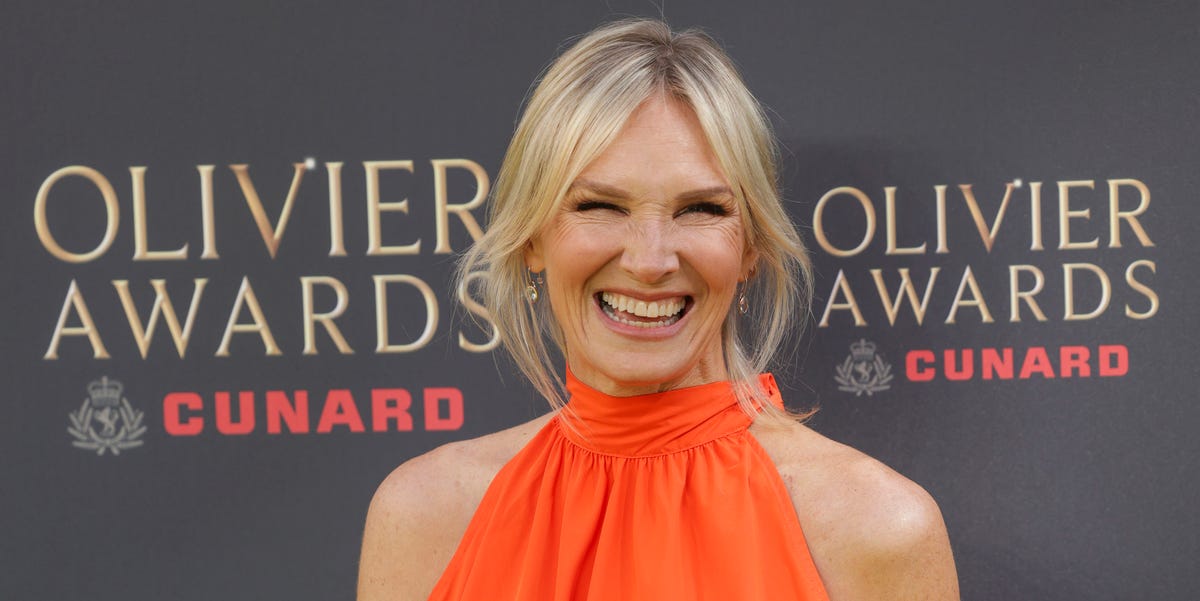
Joints achy and stiff? Or maybe you’ve woken up feeling anxious or low? There’s one exercise broadcaster Jo Whiley swears by to feel better fast, and which has the ability to give both physical and mental health a boost.
‘If I’m feeling not in the best mood, if I’m anxious about something or if I just want to feel happier, then I’ll head to my swimming pool and do 40 lengths,’ she said in an interview with PA Media. ‘When I come out everything will have changed. My headspace will be completely different.’
And the Dig It podcast host also says it helps her arthritis. ‘Over the last 10 years, it’s gotten worse, it just comes with age… I feel quite achy a lot of the time, my joints are really achy, my shoulders, my fingers, my hands, and after I’ve done something [like swimming] I feel loose, I feel more flexible.’
Oleg Breslavtsev
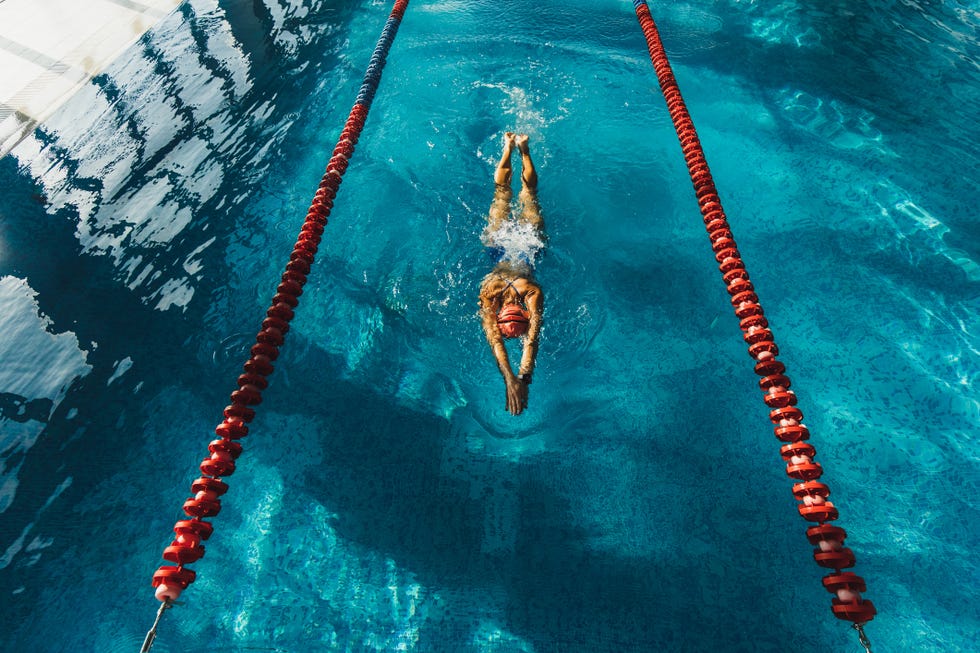
While Jo also runs and lifts weights, it’s swimming that she loves… and she doesn’t just stick to the swimming pool; wild swimming is also part of her routine. ‘It’s that rush you get after you’ve been in the water when you’ve been in freezing temperatures,’ she says. ‘It’s really energising and life-affirming.’
She praises the ‘really lovely community of like-minded souls’ that enjoy wild swimming, and adds: ‘I [would be] standing there screaming, ‘It’s really hurting!’ It’s two minutes of pain, your nerves and all the blood rushing awake. But it’s a great feeling.’
So what is it about swimming that offers such an impressive reset? ‘For me, it’s one of the few activities where your attention is completely in the present,’ says Brighton-based swimming coach Rachael Hunter Dunn. ‘Whether you’re in a pool or open water, all aspects of swimming demand just enough focus to quieten the constant mental chatter, so its almost meditative.
‘Swimming is one of the most joint-friendly forms of exercise because the buoyancy of the water supports your body weight, and allows you to move through a full range of motion, so you build strength and fitness with much less impact. Many people with arthritis find they can move more freely in the water, helping to reduce stiffness and improve confidence in movement.’
And wild swimming, she says, can be particularly transformative. ‘Your breathing changes, your heart rate increases and you become completely present in the moment. There is an incredible sense of achievement and wellbeing during and afterwards and I think it’s a combination of the body’s natural response mixed with being outdoors in nature thats the key.
‘If you’re a beginner, start in warmer months if possible and build up gradually so your body has time to acclimatise. Always swim with others and not alone and go for recognised swimming locations. It’s vital you understand the water conditions in your area and enter the water slowly to allow your breathing to settle before swimming. Don’t stay in too long, especially when you’re giving it a go for the first few times. Take warm clothes and a hot drink.
‘I’ve spent many years coaching swimmers of all abilities, teaching open water skills and swimming in lakes, the sea and cold water myself. One thing I’ve learnt is that cold water isn’t about being tough, it’s about being prepared and understanding your own limits. Just build your confidence gradually and you’ll enjoy the natural high.’