


Starbucks hopes to bounce back with a jolt of protein power
Starbucks is rolling out new protein-infused drinks it hopes will reverse the trend and lead to improved sales.
Straight Arrow News
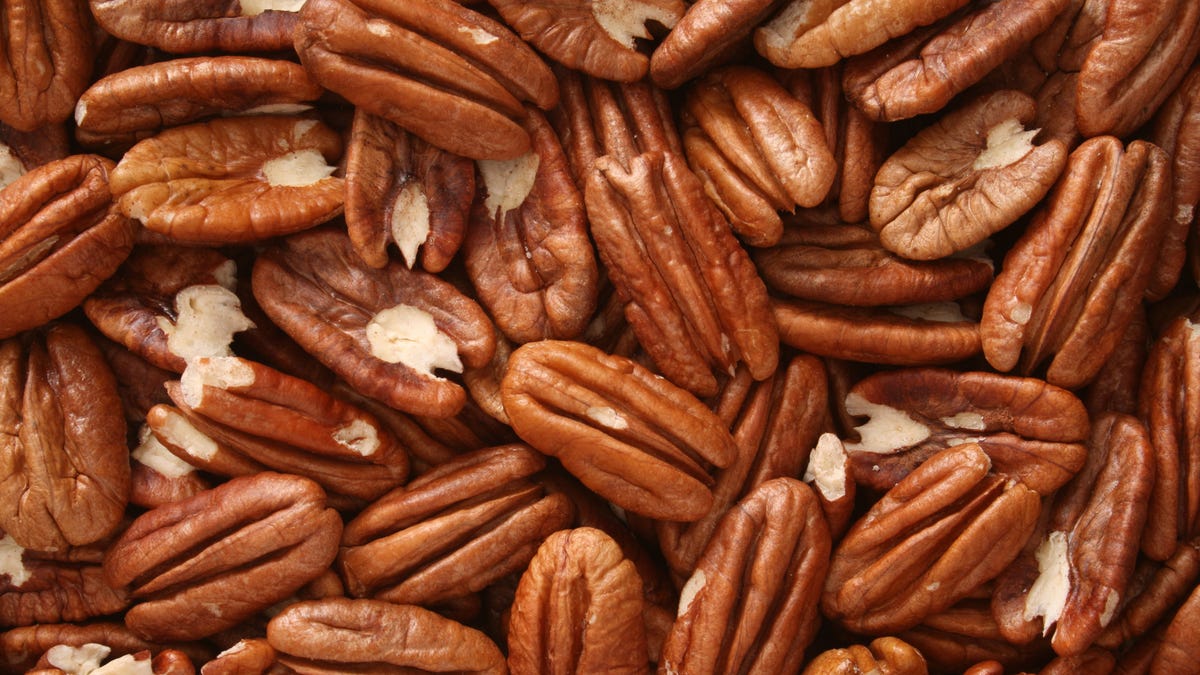
Whether you pronounce them pee-cans or pee-cahns, those nuts in your favorite holiday pie are actually a nutrient-dense whole food.
Of course, eating them in pecan pie form, which adds high amounts of sugar and fat, isn’t the healthiest way to consume them. But nutrition experts say the nut itself, which can also be enjoyed on its own or as toppings to salads, oatmeal and other dishes, can pack a nutrient-filled punch any time of year.
Pecans are full of nutrients like “calcium, magnesium, potassium, vitamin E and zinc, all of which can help improve blood sugar control, brain health, heart health and more,” says Laura Ligos, a registered dietitian nutritionist.
According to the U.S. Department of Agriculture, pecans also contain high amounts of biotin, which helps with metabolism health and contributes to better skin and hair as well as phosphorus, which helps maintain developmental tissue, stronger teeth and bones.
“Pecans are also a good source of phytonutrients,” Kristina Petersen, an assistant professor of nutritional sciences at Texas Tech University, previously told USA TODAY. “Clinical trials show that intake of pecans improves cholesterol levels including lowering LDL cholesterol, which is a key risk factor for heart disease.”
Pecans can also improve insulin resistance in people who are overweight or obese, which may reduce risk of type 2 diabetes,” Petersen added.
How many pecan nuts should you eat a day?
While it’s certainly safe to eat pecans every day, it depends how many you’re consuming.
“While nuts are healthy for you, they can also be calorically dense and lack adequate protein and carbohydrates for a balanced diet,” she explains.
The USDA suggests a serving of nuts is one ounce or about a small handful.
“Although the calorie content depends on the variety, on average, this provides 150 to 200 calories per serving which is similar to that provided by a portion of less nutritious snack chips,” the site notes.
What are the cons of pecans?
To get the health benefits of pecans without going overboard on calories, experts suggest being mindful of portion size.
For example, 1 cup of shelled pecan halves provides about nine grams of protein but also around 700 calories, which is more than 1/4 of the 2,000 calories recommended for most people to get in a full day.
Consumers should also be cautious of added ingredients to pre-packaged pecans, “because some options include coatings of unhealthy oils and sugar, which can add empty calories to your diet,” Kristen Smith, a registered dietitian nutritionist, previously told USA TODAY.
As long as you keep these considerations in mind, pecans are a “delicious and nutritious snack option,” Smith said.