
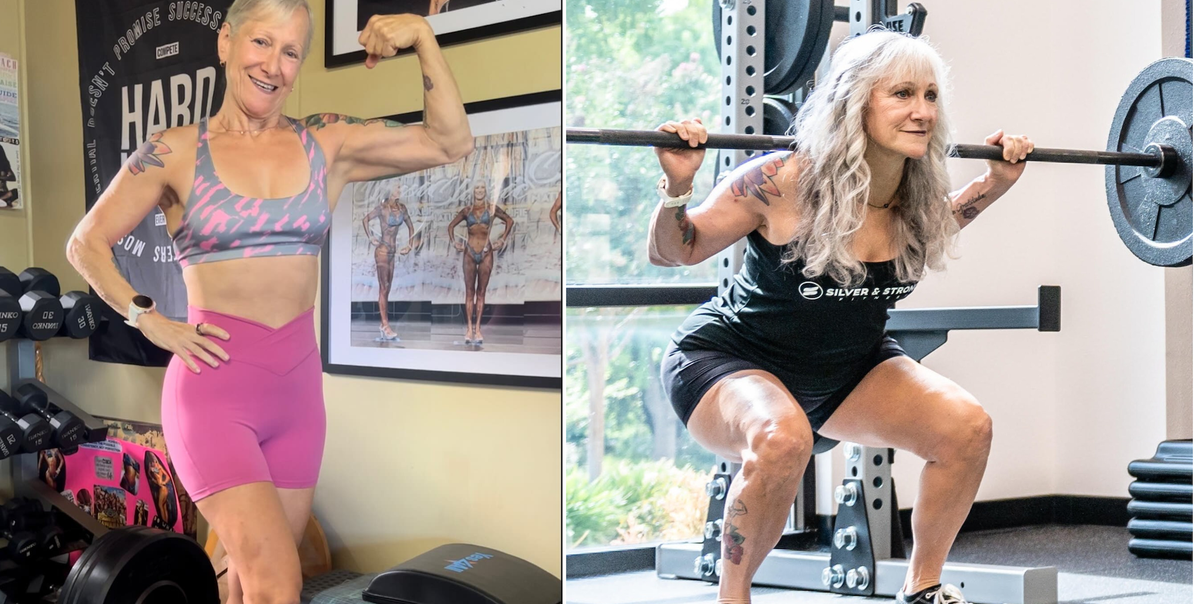
Working 70-hour weeks in a high-pressure attorney job, Ilene Block, founder of Silver and Strong fitness, struggled with sustainable weight loss. Drawn to often unsustainable diet programmes, Ilene revealed in a recent Instagram post that she became caught in a cycle of weight loss and regain before her perspective finally changed at 61. Here, she explains the three tweaks that helped her go from 180lbs to 140lbs in 12 months.
1. She prioritised strength training
‘I was doing cardio like it was my job but ignoring strength training,’ Ilene wrote. ‘All that running was actually making me lose muscle, which slowed my metabolism even more.’ While running itself doesn’t directly cause muscle loss, doing too much cardio while under-fuelled and without the support of resistance training and sufficient protein can increase your risk of muscle loss.
And as Ilene mentioned, muscle loss can slow your metabolism. Because muscle tissue is more metabolically active than fat (meaning it burns more calories even at rest), having less of it affects long-term weight loss. That’s why strength training – which Ilene started to prioritise – and rethinking your fuel needs (see below) and consuming enough protein becomes vital for losing fat while maintaining muscle.
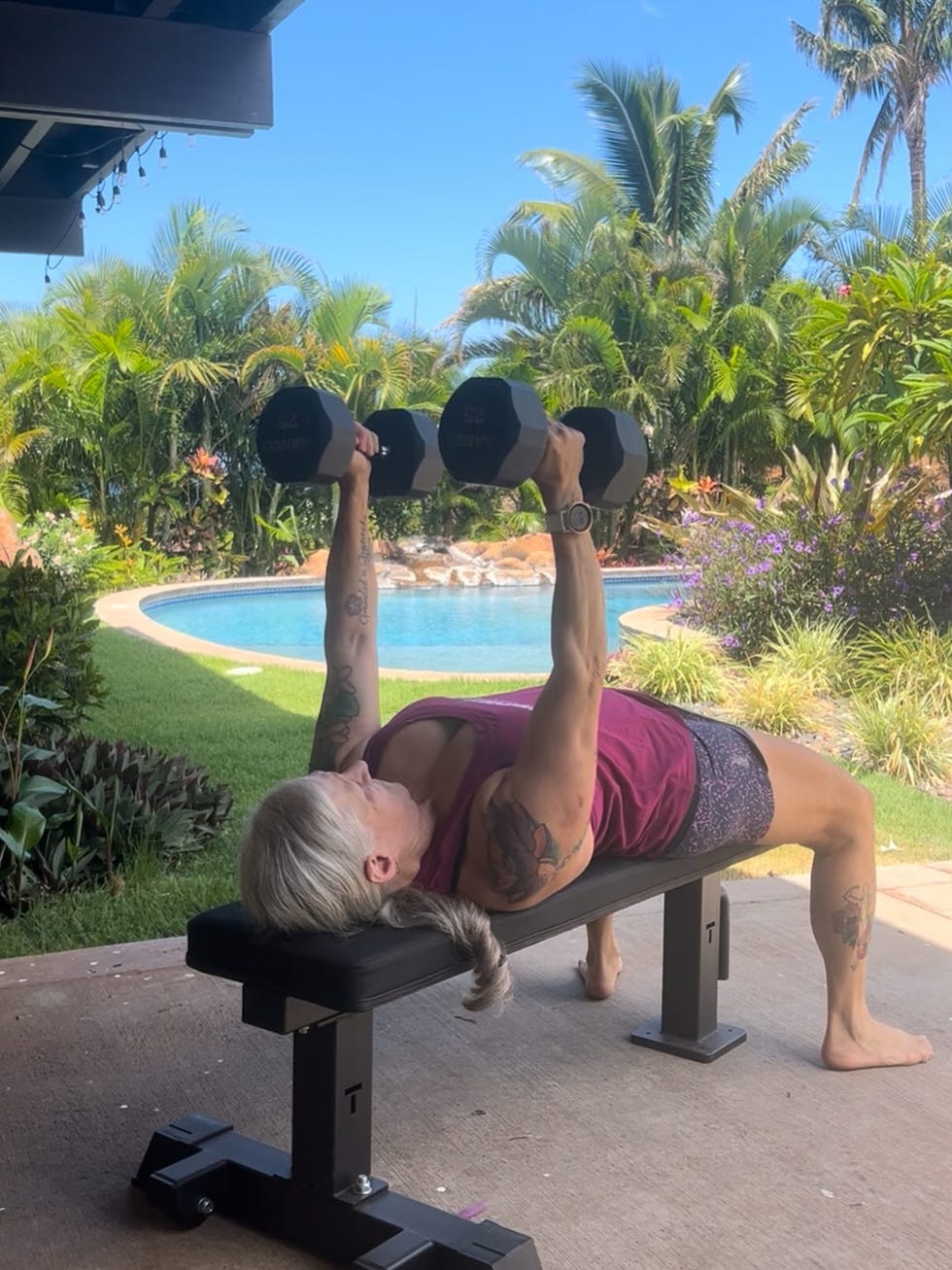 Instagram / silverandstrong
Ilene has become much more focused on strength-based workouts
2. She addressed her fuel needs
Ilene also explained that until now, she hadn’t fully considered how her fuel needs might have changed with age. ‘I was eating like a 25-year-old with a 61-year-old metabolism. Your body changes. Your fuel needs change. I was still eating portions from my law firm days when I worked 70-hour weeks and stress-ate sweets to cope,’ she wrote. So, instead of ‘guessing’ what was healthy, Ilene said she began following a simple food list designed specifically for 60+ women wanting to lose fat while maintaining muscle.
Indeed, while crucial at every age, protein becomes increasingly important during this period – experts advise midlife women focus on lean meats such as chicken and turkey, oily fish like salmon and other foods including Greek yoghurt, eggs, vegetables and whole grains. Having a plan also reduces decision fatigue – one study found that participants who planned their meals more consistently tended to lose more weight. It’s not about restriction, but rather, balance and planning ahead.
3. She made small diet tweaks
Ilene also recognised small, manageable dietary tweaks she could make. While consuming sufficient healthy fats including nuts, avocados and olive oil is important, Ilene said she was eating a lot of them and ‘drowning my salads in dressing and wondering why the scale wouldn’t move.’ Once she recognised those eating patterns is when she began to see body recomposition results.
Other helpful habits
Other small habits that helped? Mindful eating and walking after eating, Ilene revealed in another post. ‘I stopped eating standing up. Sounds stupid. But for 30 years as an attorney billing in six-minute increments, every meal was inhaled over the kitchen counter or at my desk between calls. Now I sit down for every single meal. Plate on the table. No phone. It takes 10 extra minutes and I eat half as much because my brain actually registers that I ate,’ she explained. ‘I walk after dinner every single night. 15 to 20 minutes. Nothing intense. Just me, my dogs, and the neighborhood. It helps with digestion and it brings my blood sugar down.’
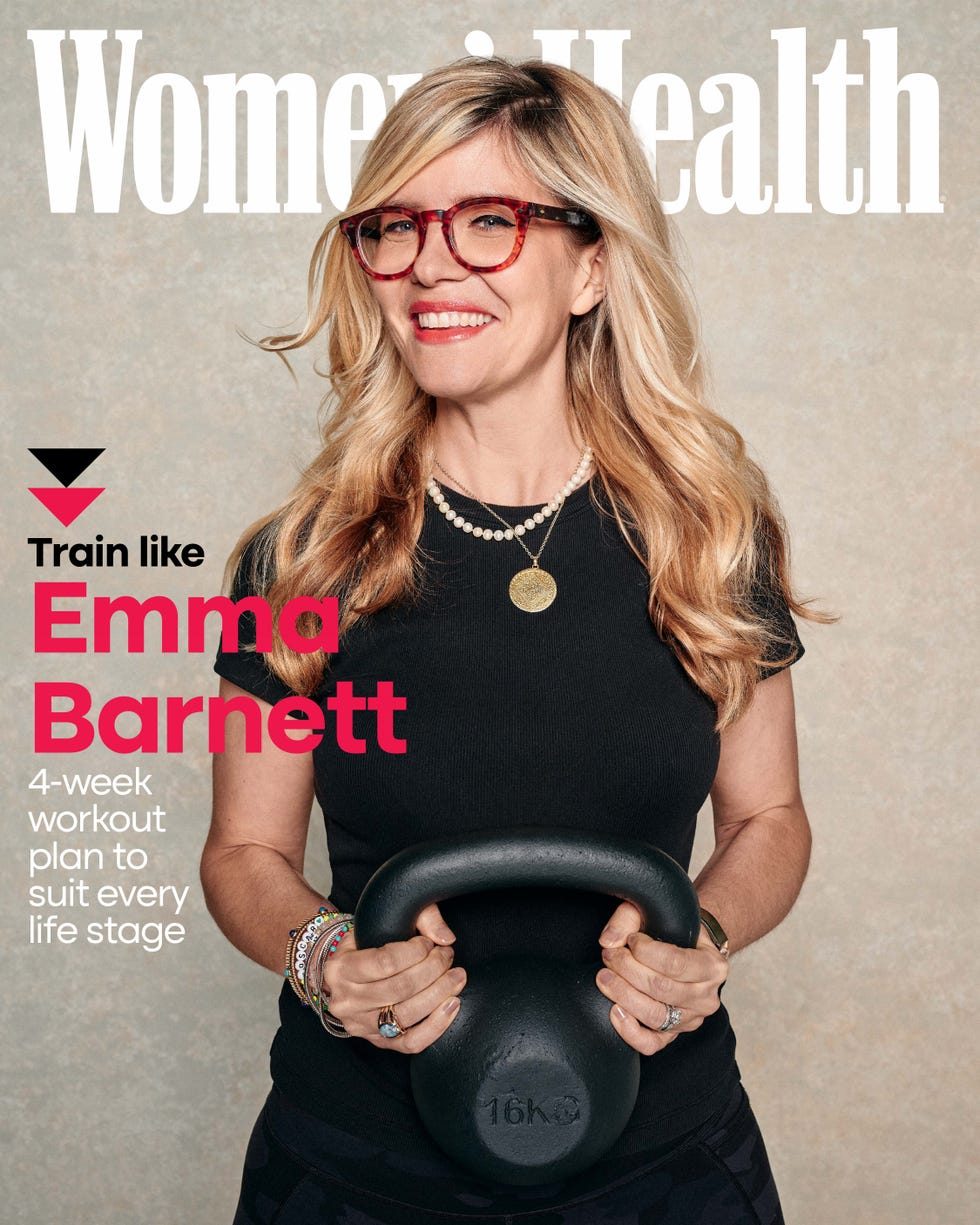
After years living with endometriosis and undergoing seven rounds of IVF, Radio 4 presenter Emma Barnett turned to training with PT Frankie Holah to rebuild strength and a more positive relationship with her body. Download the Women’s Health UK app to access Emma’s full training plan.
 Related Stories
Hannah Bradfield is a Senior Health and Fitness Writer for Women’s Health UK. An NCTJ-accredited journalist, Hannah graduated from Loughborough University with a BA in English and Sport Science and an MA in Media and Cultural Analysis. She has been covering sports, health and fitness for the last five years and has created content for outlets including BBC Sport, BBC Sounds, Runner’s World and Stylist. She especially enjoys interviewing those working within the community to improve access to sport, exercise and wellness. Hannah is a 2024 John Schofield Trust Fellow and was also named a 2022 Rising Star in Journalism by The Printing Charity. A keen runner, Hannah was firmly a sprinter growing up (also dabbling in long jump) but has since transitioned to longer-distance running. While 10K is her favoured race distance, she loves running or volunteering at parkrun every Saturday, followed, of course, by pastries. She’s always looking for fun new runs and races to do and brunch spots to try.