
Dr Ray O’Connor continues his review of recent clinical papers on physical activity, including the role that climate change plays
The relationship between physical activity (or exercise) and gastrointestinal (GI) health is complex and bidirectional. While moderate exercise generally promotes gut health by enhancing motility, reducing inflammation, and supporting microbial balance, intense or prolonged physical activity may exacerbate GI symptoms, particularly in individuals with preexisting digestive disorders.

Dr Ray O’Connor
A deeper understanding of this interplay is essential for optimizing both exercise performance and GI well-being. The aim of this systematic review and meta-analysis1 was to synthesize current evidence on exercise-related GI disorders, exploring the prevalence, mechanisms, risk factors, and management strategies associated with exercise-induced GI symptoms.
Following PRISMA guidelines, comprehensive searches of databases, including PubMed, Scopus, Web of Science, and EMBASE were conducted. Studies were included if they focused on exercise-induced GI disorders, encompassed randomized controlled trials, cohort studies, case-control studies, and cross-sectional designs, and addressed symptoms across various exercise modalities. Data were extracted and analysed to identify patterns and implications for clinical and athletic practice. A total of 231 studies met the inclusion criteria, highlighting both the benefits and risks of exercise on GI health.
Regular moderate-intensity exercise, including activities such as walking, cycling, and yoga has been associated with improved GI function in conditions like gastroesophageal reflux disease, irritable bowel syndrome, inflammatory bowel disease, and constipation. These benefits are attributed to enhanced intestinal motility, reduced systemic inflammation, and improved gut barrier integrity. Additionally, exercise plays a role in regulating the gut-brain axis, with practices like yoga and Tai Chi demonstrating particular effectiveness in alleviating functional GI disorders.
Conversely, high-intensity or prolonged exercise may contribute to symptoms such as nausea, diarrhoea, and abdominal pain due to mechanisms like splanchnic hypoperfusion and increased intestinal permeability. Individual factors, including fitness level, dietary habits, hydration status, and underlying GI conditions, significantly influence the body’s response to exercise. The conclusion was that moderate-intensity exercise is a beneficial and well-tolerated intervention for promoting GI health, whereas high intensity activities require careful monitoring, particularly in individuals with pre-existing GI disorders.
Personalized exercise and dietary strategies are essential for balancing the benefits of physical activity with the risk of GI distress. The authors recommend that further research is needed to explore the long-term effects of exercise on gut microbiota composition and overall digestive health.
This next review2 aimed to summarize the recommendations endorsed by scientific societies regarding physical activity for patients with cancer. A systematic search was conducted to identify guidelines endorsed by scientific societies and published in the last 15 years dedicated to physical activity for cancer patients.
The AGREE II instrument was used to assess the methodological quality of the guidelines. Results were presented as qualitative synthesis. A total of 11 guidelines met the inclusion criteria. Seven were considered high quality. All the guidelines recommended to include aerobic and resistance training as types of activities. Regarding the physical activity dosage, most suggested a generic 150 minutes/week of moderate-intensity activity plus resistance training twice a week.
Three guidelines reported instructions for exercise prescription, including frequency, intensity, and duration of training sessions. Six guidelines reported exercise testing/medical clearance instructions, nine provided considerations regarding adaptation/precautions, and seven detailed the specialists for referral.
Four guidelines considered motivational aspects related to physical activity and cancer. The conclusion was that, although important steps have been made in the more recent recommendations, effort is needed to produce high-quality research in the exercise-oncology field, with the ultimate aim of developing more tailored guidelines.
Breast cancer survivors are at increased risk of poor health-related quality of life (HRQOL). Clinical trials suggest physical activity interventions may improve HRQOL, however, evidence on whether these benefits extend to physical activity in real-world settings is limited. The authors of this systematic review3 aimed to evaluate the association between post-diagnosis recreational physical activity and HRQOL among breast cancer survivors in the observational literature and compare findings with clinical trial data.
The authors searched seven databases for studies published between January 2003 and October 2024. Study characteristics and adjusted analyses of the association between recreational physical activity and HRQOL were extracted. A qualitative synthesis categorized HRQOL outcomes into global, physical, emotional, social, and breast cancer-specific domains.
Risk of bias was assessed, and findings from observational studies were compared with those from clinical trials. The search identified 5,831 sources, with 11 studies meeting inclusion criteria. For most domains, studies reported positive associations between aerobic activity and HRQOL.
Meeting aerobic activity guidelines was found to have clinically meaningful positive associations with global HRQOL (Five studies), physical HRQOL (Two studies), and breast cancer specific HRQOL (One study). Fewer studies reported on emotional/social domains of HRQOL or the association between muscle-strengthening activity and HRQOL. Overall, observational findings were consistent with clinical trial findings.
The authors concluded that observational evidence suggests that aerobic activity guideline adherence may be associated with increased global and physical HRQOL. These findings indicate that benefits observed in trials may extend to real-world recreational aerobic activity. They recommend that further research is needed on muscle-strengthening activity and activity dosage.
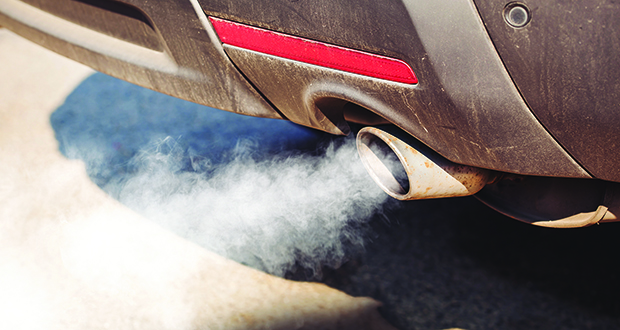
 Unfortunately, there are also issues working against increased physical activity among the global population. One of these is our old friend ‘Climate Change’. Climate change is amplifying heat exposure worldwide; however, its consequences for global physical inactivity, and the resulting effects on mortality and economic burden, remain unquantified. The authors of this study on the topic4 analysed a longitudinal dataset spanning 156 countries from 2000 to 2022 using a binned fixed-effects panel regression model.
The model examined the relationship between the primary outcome—the age-standardised prevalence of physical inactivity in adults (aged ≥18 years)—and annual exposure to different temperature ranges. Estimated exposure coefficients and climate projections under different shared socioeconomic pathways (SSPs) were used to forecast future physical inactivity.
Using relative-risk estimates for all-cause mortality, the authors converted projected physical inactivity into excess deaths and valued lost productivity using a friction-cost approach calibrated to each country’s gross domestic product and labour participation rates.
The findings were rather depressing. Each additional month with a mean temperature >27·8°C increased physical inactivity by 1·44 percentage points globally and 1·85 percentage points in low-income and middle income countries. By 2050, the prevalence of physical inactivity is projected to rise by 0·98 percentage points under SSP1–2.6, 1·22 percentage points under SSP2–4.5, and 1·75 percentage points under SSP5–8.5, with hotspots exceeding 4 percentage points in Central America, the Caribbean, eastern sub-Saharan Africa, and equatorial southeast Asia.
By 2050, these increases translate into an additional 0·47–0·70 million deaths and $2·40–3·68 billion in annual productivity losses. The distressing conclusion is that rising temperatures are projected to increase the prevalence of physical inactivity, translating into additional premature deaths and productivity losses, especially in tropical regions. The authors recommend that prioritising heat-adaptive urban design, subsidised climate-controlled exercise facilities, and targeted heat-risk communication is essential to mitigate these emerging health and economic burdens, in addition to ambitious emissions reductions. 
References:
Al-Beltagi M et al. Exploring the gut-exercise link: A systematic review of gastrointestinal disorders in physical activity. World J Gastroenterol 2025 June 14; 31(22): 106835. DOI: 10.3748/wjg.v31.i22.106835.
Avancini A et al. Physical activity guidelines in oncology: A systematic review of the current recommendations. Critical Reviews in Oncology/Hematology 210 (2025) 104718. https://doi.org/10.1016/j.critrevonc.2025.104718.
Tian E et al. Recreational physical activity and health‑related quality of life among breast cancer survivors: a systematic review. Quality of Life Research (2025) 34:2513–2529 https://doi.org/10.1007/s11136-025-03992-1.
Garcia-Witulski C et al. Effects of climate change on physical inactivity: a panel data study across 156 countries from 2000 to 2022. Lancet Glob Health 2026; 14: e500–11. DOI: 10.1016/S2214-109X(25)00472-3.