

A dementia expert has shared five lifestyle rules that people in their 40s could follow to help reduce their risk of Alzheimer’s disease
An expert has shared five changes that could help reduce your risk of Alzheimer’s disease later in life(Image: Getty)
A specialist in dementia has revealed five essential guidelines that people should adopt from the age of 40 onwards to reduce their chances of developing Alzheimer’s disease. Implementing these adjustments to your daily routine could offer protection against mental deterioration.
Dementia refers to a collection of symptoms associated with the progressive deterioration of brain function. Primarily affecting individuals aged 65 and above, it can lead to complications including loss of memory, shifts in behaviour, and difficulties with movement.
Various forms of dementia exist, with Alzheimer’s disease being the most prevalent. Dr Tim Beanland, head of knowledge and learning at the Alzheimer’s Society, provided further insight.
He explained: “Alzheimer’s disease is the most common type of dementia. It is caused by a physical illness that damages a person’s brain. Two proteins inside the brain called amyloid and tau can build up and clump together, which makes it harder for the brain to work properly.
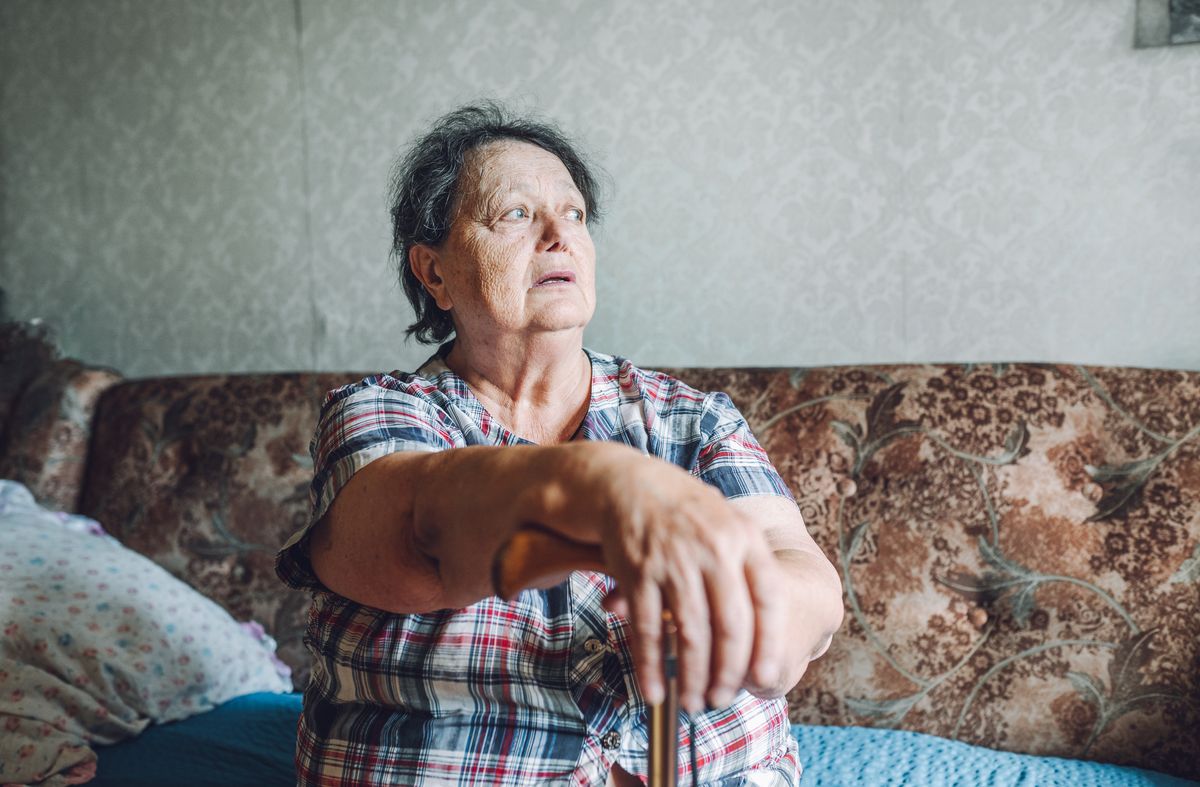
An expert shared five changes that could help reduce your risk of Alzheimer’s disease later in life(Image: Getty)
“Eventually the brain struggles to cope with the damage as the nerve cells die and the person begins to have problems with memory and thinking. When it gets to the stage where these problems are making it difficult for the person to do everyday tasks that they used to do easily, this is called ‘dementia’.
“There are currently around one million people in the UK with dementia and about two out of three people living with dementia have Alzheimer’s disease.”
The impact of Alzheimer’s disease varies from person to person, though initial warning signs frequently include:
Memory problemsThinking and reasoning difficultiesLanguage problemsChanges to how people see and hear thingsChanges in mood
If you or someone you know is experiencing any of these symptoms, it is advisable to consult a GP. The Alzheimer’s Society also offers an online symptom checklist here, which can help you to prepare for your appointment.
Who is at risk?
There are certain risk factors for Alzheimer’s disease that are out of our control. “Age is the biggest risk factor for Alzheimer’s, as it is for most types of dementia,” said Dr Beanland.
“Over 90 per cent of people with Alzheimer’s are older than 65, but a small number develop symptoms below that age, known as ‘young-onset Alzheimer’s disease’. Overall, women are about twice as likely to develop Alzheimer’s as men.
“To some extent, this is because women tend to live longer. The risk is about the same for both sexes until you get to the age of around 80 years.
“From that point onwards, women are more likely to be diagnosed with the condition. For reasons we still don’t fully understand, Alzheimer’s seems to work differently in women compared to men.
“Certain genes can also affect a person’s chances of getting Alzheimer’s. The most common is APOE. Around 1 in 4 of all people have a version of this gene called APOE4, which carries a higher risk of Alzheimer’s than other types.
“While this might sound scary, it’s important to know that most people with APOE4 don’t develop dementia. It’s just another risk factor.”

Regular exercise is one way to help lower your risk of dementia(Image: Getty)
How to lower your risk
However, it is still possible to lower your risk of Alzheimer’s with certain habits and lifestyle changes. Dr Beanland recommended that people aged 40 and over follow five rules to do so.
These are:
Do not smokeDon’t drink too much alcoholBe physically activeEat a healthy, balanced dietStay mentally and socially active
He added: “People who live a healthy lifestyle, especially from mid-life (age 40–65) onwards, are less likely to develop Alzheimer’s. This includes not smoking, not drinking too much alcohol, being physically active, and eating a healthy, balanced diet. Keeping mentally and socially active also helps.”