
 Forgetting names. Walking into a room and blanking on why you’re there. Reading the same line three times because your mind just won’t stay put. It’s easy to laugh these things off or blame them on stress, poor sleep, or being “too busy.” But when these moments start happening often, they may be your brain’s way of waving a red flag.Brain health isn’t something that suddenly becomes important at old age. In fact, changes in the brain can start much earlier than we think. The problem is, small symptoms are easy to ignore. Forgetting names feels harmless. Losing focus seems normal in a distracted world. But these “tiny” issues can pile up. More importantly, they may be early signs of deeper issues that are much easier to manage when caught early.
7 Daily habits to follow every night for a sharper brain
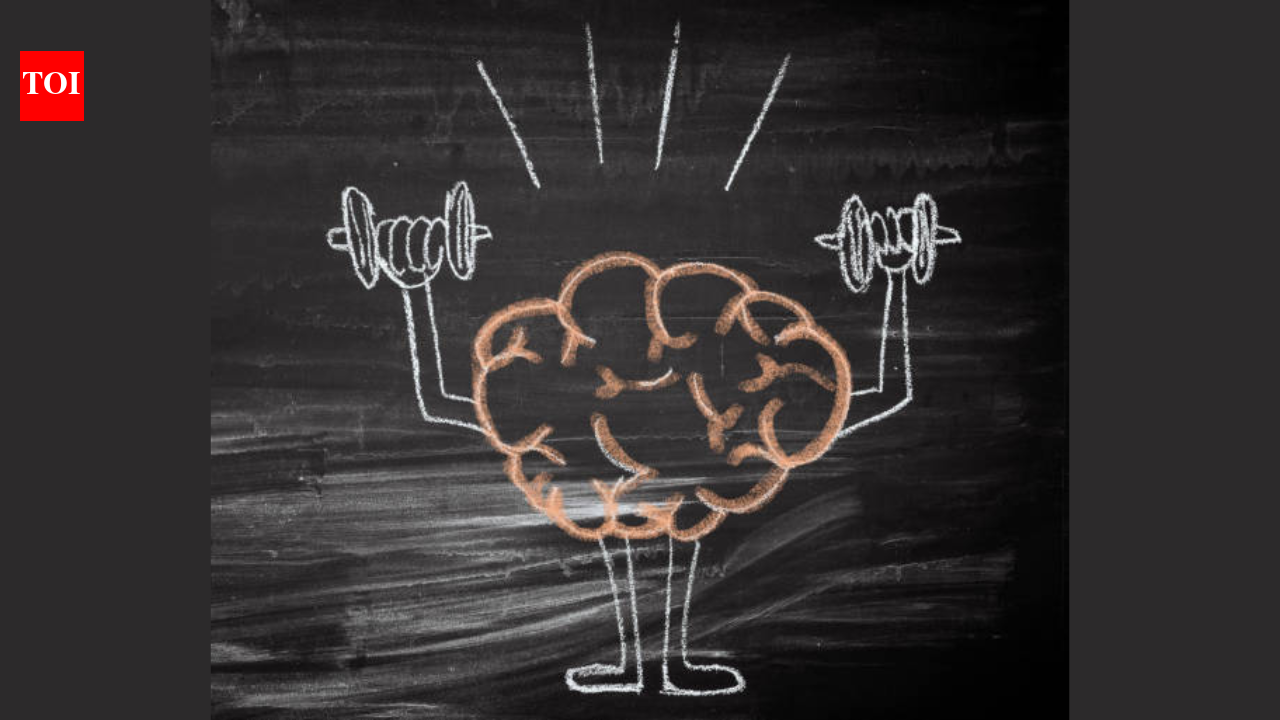
What’s missing is awareness. We talk endlessly about heart health, weight, and blood sugar, but brain health rarely gets the same spotlight. Memory and focus problems are often brushed off or joked about, instead of taken seriously. We need to normalize conversations around cognitive health at every age, not just later in life.“One of the most common things patients tell me in my clinical practice is that they are losing focus and forgetting things. They commonly blame this on aging, stress, or “too much screen time.” The brain, like any other organ, reacts quite well to structured training, even though lifestyle circumstances do play a part. Here are five easy brain exercises that have been shown to work and can greatly increase focus, memory, and mental clarity when done frequently,” says Dr. Amit Kumar Agarwal, senior consultant, Neurology and Stoke Medicine, Amrita Hospital Faridabad. 
Training in mindful attention
This is one of the best brain exercises that people don’t talk about enough. For ten minutes, sit still and pay attention to your breathing. When your mind starts to wander, gently draw it back. This works out the prefrontal cortex, which is the part of the brain that controls attention and decision-making. Patients say that with time, their ability to focus, their mental clarity, and their emotional control all get better.
Memory chunking exercise
Instead than trying to remember huge lists, divide them up into smaller, more useful sections. For instance, think of a phone number as three parts instead of 10 digits. This exercise increases working memory and makes it easier for the brain to retain and find knowledge. This is very helpful for students and professionals.
Training for two tasks
Do two things at once, like counting backward while walking or listening to a podcast while doing light housework. This tests the brain’s executive function and neuronal coordination, which makes it easier to do more than one thing at once and makes the mind more flexible. It improves communication between different parts of the brain neurologically.
Exercise for remembering things visually
For 30 seconds, look at a complicated picture, room, or newspaper page. Close your eyes and try to remember as many things as you can, including colors, places, words, or faces. This improves visual memory and attention to detail, two skills that frequently get worse early on but get better with repetition.
Finding out about something new
New things are the best way to get your brain going. When you learn a new language, instrument, or even a new way to get to work, your brain has to make new connections. This helps keep memory strong and slows down cognitive decline by making the brain more flexible.“The most important thing is to be consistent, not complicated. You can see big changes in your focus, memory, and mental stamina with just 15 to 20 minutes of brain training every day. In a world where there are always distractions, brain training is no longer an option; it’s necessary preventive treatment,” says Dr Amit.