
In an interview with Fox News in 2017, he said he typically goes to bed at midnight or 1 am and wakes at 5am am to eat, read newspapers and watch television.
“Don’t sleep any more than you have to,” he wrote in his 2004 book Think Like A Billionaire.
With experts advising 7-9 hours sleep each night, Trump’s advice is not following the best public health evidence.
Increasingly, in a society that prizes productivity, sleep is considered expendable, something to trade for working late or binge watching just one more episode of our favourite show. “I’ll sleep when I’m dead”, is a common curt response from the young.
But mounting evidence tells us good sleep is not a luxury – it should be viewed with the same level of attention as diet or exercise.
Ireland ranks very highly when it comes to poor sleeping habits. A global sleep survey in 2025 of over 55,000 people revealed that China has the highest score for sleep quality while Norway has the lowest, with the U.S second to last.
How did Ireland fare?
49% of us wake feeling tired almost every day. We rank in the top five poor sleepers.
We’re also among the worst for waking up multiple times a night, with 27% doing so more than twice.
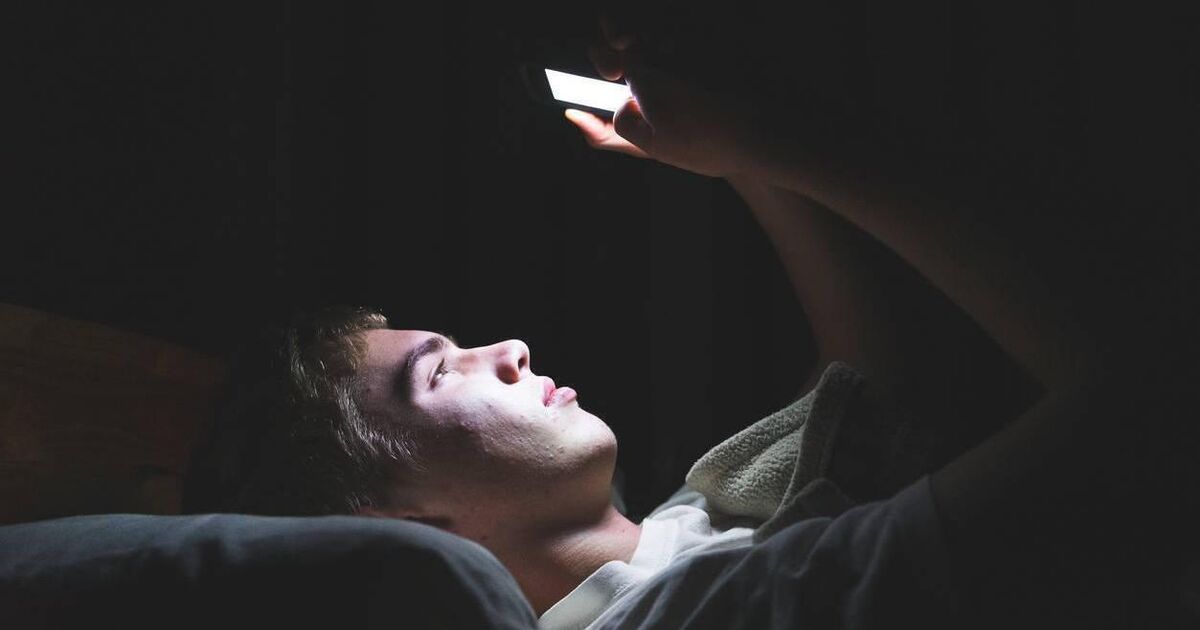
The average amount of sleep Irish people get is just over 6.5 hours, with 43% worried they are not getting enough. Three-quarters use their phone in the bedroom and almost 20% regularly take sleep medication.
The modern world compounds this global phenomenon of less sleep.
Always-on digital culture, blue-light exposure from screens, late night caffeine, and irregular schedules have undermined our natural rhythms. Even small disruptions have measurable impacts – broadband access has been shown to reduce sleep by almost 30 minutes a night in some populations.
A recent report, Building Healthy Sleep Habits, by the UK Vitality Research Institute, in collaboration with London School of Economics and Political Science (LSE), analysed more than 47 million nights of tracked sleep across multiple countries. It found healthy sleep patterns directly lowered the risks of hospitalisation, disease, and early death.
Not getting enough sleep impacts almost every system in our body. Adults who regularly had less than six hours increased their risk of premature death by 20% compared to those who slept seven to eight hours.
Short sleep or poor sleep routine raises blood pressure, disturbs hormonal regulation of appetite, impairs glucose control, weakens immunity, and accelerates ageing of arteries.
And it’s not just physical health. Poor sleep routines double the risk of developing depression, while consistent sleep routines support emotional regulation and ability to face daily challenges and combat stress.
In economic terms, the impact is huge. The independent policy research organisation RAND Europe estimates that insufficient sleep costs countries up to 2% of GDP annually, due to absenteeism and lower productivity.
Data from Britain’s Healthiest Workplace found that workers who had less than six hours sleep a night lost the equivalent of six productive days a year.
The researchers suggested that rather than considering sleep as a passive state that ‘just happens’, consistent sleep routines are habits that are shaped by cues and routines.
Dr Katy Tryon, CEO at Vitality Health UK, suggests that sleep has traditionally been viewed through a clinical lens, often associated with disorders rather than everyday behaviours.
“We believe that reframing sleep as an active, health-promoting behaviour, similar to physical activity, shifts the prevailing perception from something passive, inactive, or even lazy, to a behaviour that is measurable, improvable, and essential to overall wellbeing,” she said.
The evidence shows that small, consistent changes can deliver meaningful improvements in sleep quality.
The researchers developed a Sleep Score – to gauge how ‘healthily’ one sleeps. It confirmed regularity or consistency of bedtime is a stronger predictor of health outcomes than total sleep hours.
Falling asleep within a consistent one-hour window lowered mortality by almost a third, and hospital admissions by 9%. However, only improving length of time asleep yielded much smaller benefits of about 2%.
The researchers outlined the huge benefits artificial intelligence can offer in algorithm-driven feeds that detect irregular patterns, late night activity, caffeine-related restlessness, and offer reminders to start winding down and preparing for bedtime.
AI-enabled ‘sleep coaches’ can provide immediate rewards like nightly scores or progress badges, to sustain commitment until good sleep is automatic. The addictive draw of technology can now be replaced with technology that can teach us how to rest.
The researchers make some key recommendations to aid sleep patterns.
Abolish daytime saving time to reduce circadian disruption
Mandate default blue light filters on devices after dusk
Create quiet urban zones and reduce night time pollution
Encourage employees to limit late- night emails and make shift schedules predictable
Integrate sleep incentives into wellness and insurance programmes
Introduce late start time at school for teenagers (whose internal clocks naturally run later) that can improve learning and wellbeing
Incorporate workplace cultures that respect the ‘right to disconnect’ that can restore balance for adults.
Economist, Professor Joan Costa-Font of the LSE, says sleep doesn’t exist in isolation but intertwines with diet, exercise, stress, and social behaviour.
“Inadequate rest makes it harder to eat healthily or stay active, while regular movement and balanced nutrition, in turn promote deeper and more consistent sleep,” he said.
“Just as public health once embraced the power of seatbelts, exercise and nutrition, it’s time to place rest at the centre of modern wellbeing.”
Restricting alcohol and caffeine in the evenings, taking phones out of bedrooms that are cool and dark, and nurturing regular bedtime and waking hours can add vital minutes and hours to our sleep routine.
In this instance at least, the advice from Trump around the amount of sleep we need is fake news.
Smart incentives, and digital feedback can help to nudge us in the right direction with measurably improved outcomes.
In a short time, these changes can make good sleep patterns the norm rather than the exception – and have a lifetime impact on health and wellbeing.
Dr Catherine Conlon is a public health doctor in Cork