
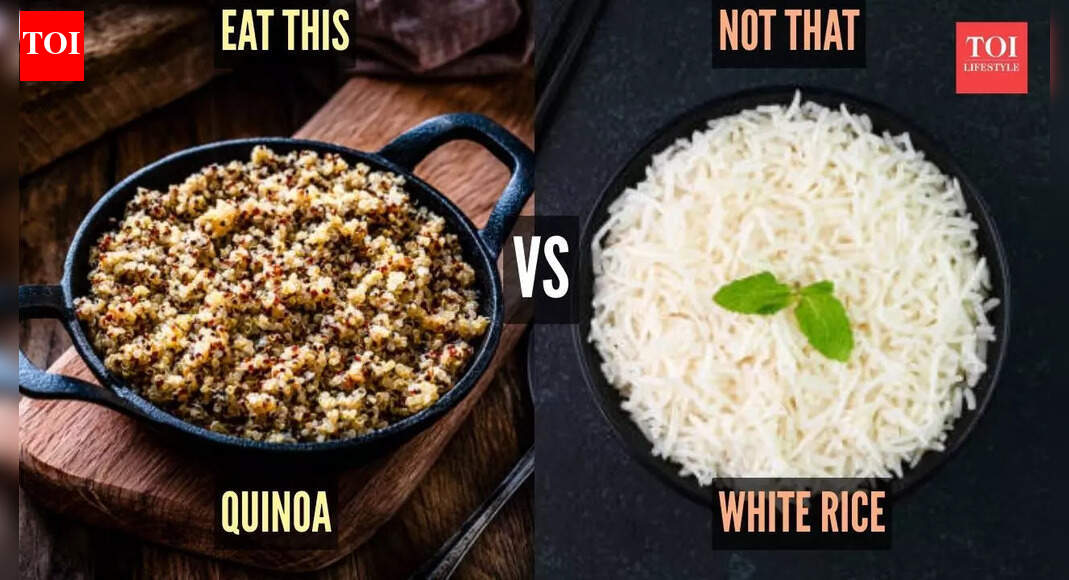
 Image credits: getty images, canva Food is simple but health is complex. It’s a machine that functions well and strongly when supplied with the right kind and amount of nutrition. As the world is riddled with new viruses and infections, food is the only natural medicine that can guarantee our immunity. In this case, eating the right kind of food is vital, one that is more than just a meal, it is a health source. Rice is a staple in more than 100 countries worldwide, with white rice being the most popular choice. Easy to cook, it can be paired with any dish and served quickly. But did you know that in the herd of quick cooking, you have been compromising with your health? Rather than white rice, a bowl of quinoa is much healthier and tastier and can be paired with all the dishes as well. Find out how!
5 Weight loss foods to eat in place of rice
Nutritional value of white rice
White rice is versatile and tasty, but it is also not as nutritious as you may think. As per the U.S. Department of Agriculture, 100g of white rice contains:7.04g of protein1.03g of fat80.3g of carbohydrates0.1g of fibre4 mg calcium26.5mg of magnesium
Nutritional value of quinoa
While quinoa may not sound as interesting a food choice as white rice, it is surely healthier. Additionally, it can taste just as delicious when cooked right. As per the U.S. Department of Agriculture, 100g of cooked quinoa contains:4.4g of protein1.92g of fat21.3g of carbohydrate2.8g of fibre17mg of calcium64mg of magnesiumIt also has 23mg of choline, which is a vital prenatal nutrient for pregnant mothers.
Health benefits of quinoa
Quinoa can be cooked with vegetables and eaten alone or can be paired with your favourite curry as well. In recent years, quinoa has gained popularity in the US. It was considered to be a sacred grain by the Inca people earlier. There are three different types of quinoa, red, white and black. It is a great source of some vital nutrients such as folate, magnesium, zinc and iron. It has flavonoids such as quercetin and kaempferol that have anti-inflammatory and antioxidant properties that protect from cell damage. A 2020 study in the European Journal of Nutrition, also found it to decrease LDL (bad) cholesterol, total cholesterol and body weight. A 2025 research in Applied Food Research, the grain provides benefits for metabolism, diabetes and cardiovascular diseases.
Health risks from white rice
White rice has been a staple in culinary cultures for years. Thus, parting with them might feel like saying goodbye to a beloved family member, but when it comes to health, difficult decisions are mostly good ones. A 2022 study in BMJ Open found white rice to increase the risk of Type 2 diabetes. As per the CDC, more than 38 million Americans have diabetes, with about 90% and 95% having Type 2. Eating white rice regularly would only increase the risk of developing the disease. Additionally, white rice is contaminated with arsenic in certain parts of the world and high arsenic intake is associated with an increased risk of cancer, heart disease and can even affect brain function. Thus, it is better to replace your daily bowl of white rice with quinoa. Note: The information provided in this article is for educational purposes only and is not intended as medical advice. Always consult with a qualified healthcare professional before starting any new medication or treatment and before changing your diet or supplement regimen.