
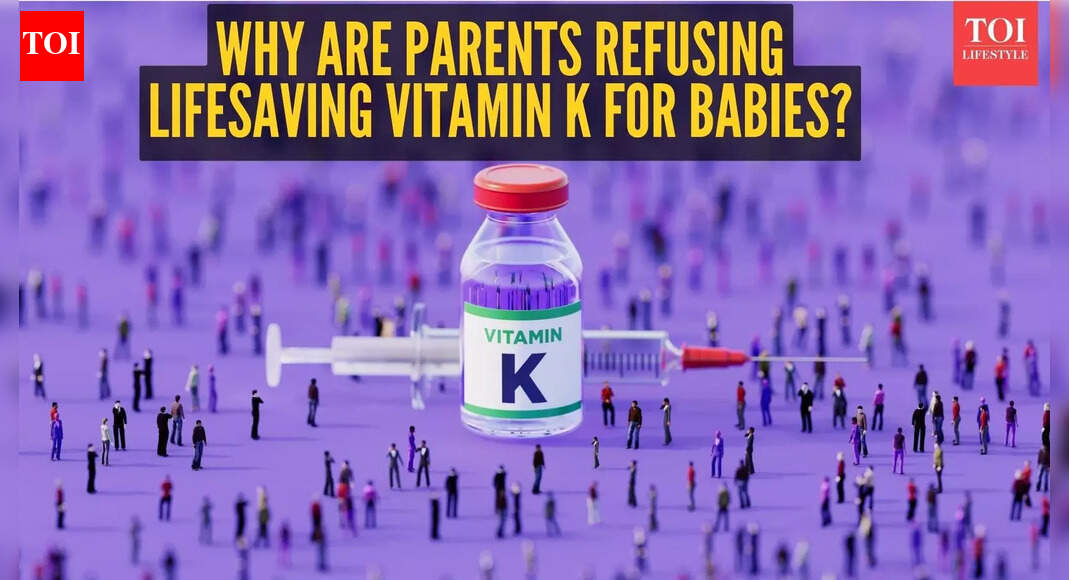
 Parents Refusing Lifesaving Vitamin K: Are We Putting Babies at Risk? Every year, thousands of newborn babies around the world face a tiny but terrifying threat: a rare but often fatal brain bleed caused by low blood clotting. The good news is that for decades, a simple injection of Vitamin K right after birth has been known to prevent this and dramatically increase neonatal safety. However, the bad news is that more parents are rejecting this lifesaving shot and experts warn that growing misinformation and fear may put infants at unnecessary risk.What vitamin K does and why it matters for newborn babiesNewborn babies are naturally low in vitamin K, a critical nutrient that helps blood clot properly. Without sufficient vitamin K, even minor internal bleeds, which might occur during birth, can spiral into serious haemorrhages. These risks are especially high in the first few days or weeks of life.
7 Common cravings and the vitamin deficiencies they indicate
A single intramuscular injection of vitamin K shortly after birth has been standard practice in many countries because it dramatically lowers the chances of dangerous bleeding. For decades, medical professionals have advocated it as a safe, effective and essential preventative measure ensuring newborn safety.The growing trend of refusal: What’s changing?Despite clear medical evidence, reports show that a rising number of parents are refusing the vitamin K shot for their newborn babies. The reasons vary, from misconceptions about “natural birth”, “interference with nature”, or exaggerated fears about injections to the influence of online misinformation.Some parents worry about potential side-effects, unnecessary medical intervention or even believe that vitamin K can be administered later orally. Others cite distrust in conventional medicine, preferring home-birth practices or “natural” postpartum routines. 
Vitamin K Shot for Newborns: Essential Prevention Against Bleeding Risks
Whatever the reason, experts are concerned. Declining the vitamin K injection removes one of the most effective protections against catastrophic bleeding, leaving infants vulnerable at their most fragile.What doctors and researchers warn aboutPaediatricians and neonatologists emphasise that the vitamin K shot is not optional, it is critical. Without it, the risk of a serious bleed may be low in absolute terms but when it happens, the consequences can be devastating and cause brain damage, lifelong disabilities or even death.They caution that alternative methods, such as oral vitamin K, do not always offer the same reliable protection. Moreover, delaying administration or relying on uncertain schedules can leave babies unprotected precisely in the period when they are most vulnerable.The evidence behind vitamin K prophylaxisMedical research spanning decades has repeatedly demonstrated the effectiveness of vitamin K prophylaxis in preventing haemorrhagic disease of the newborn babies (HDN). Hospitals that adopt universal vitamin K injections for newborn babies consistently report near-zero rates of severe neonatal bleeds.When administered within hours after birth, particularly in combination with other standard newborn care, vitamin K significantly reduces the chance of early or late bleeding events, offering peace of mind for parents and doctors alike.Why this isn’t just a medical debate, it’s a public-health issueAs refusal rates climb, the implications go beyond individual families. Rising numbers of unprotected newborn babies could lead to an increase in preventable haemorrhages, straining healthcare systems and causing avoidable tragedies. 
Vitamin K Shot: Why Are Parents Saying No to This Newborn Safety Essential?
Moreover, misinformation spread via social media, anecdotal claims or alternative-medicine activism tends to target precisely the kind of protective interventions that have historically saved countless lives.Experts argue that strengthening public awareness, clear communication from maternity care providers and reinforcing the safety, not just the necessity, of the vitamin K shot is essential.Bottom line: Vitamin K shot remains one of the safest, most effective newborn protectionsYes, birth is a natural miracle but even nature needs some support, especially in a world where medical knowledge gives parents and doctors the power to prevent tragedy. The vitamin K injection is not a cosmetic add-on, nor an optional extra.It is a simple and proven act of prevention that can make the difference between a healthy start and a preventable tragedy. For new or expecting parents: ask your doctor. Understand the benefits and consider that a tiny injection now might just be the greatest gift of all, a safer chance at life.Note: The information provided in this article is for educational purposes only and is not intended as medical advice. Always consult with a qualified healthcare professional before starting any new medication or treatment and before changing your diet or supplement regimen.