
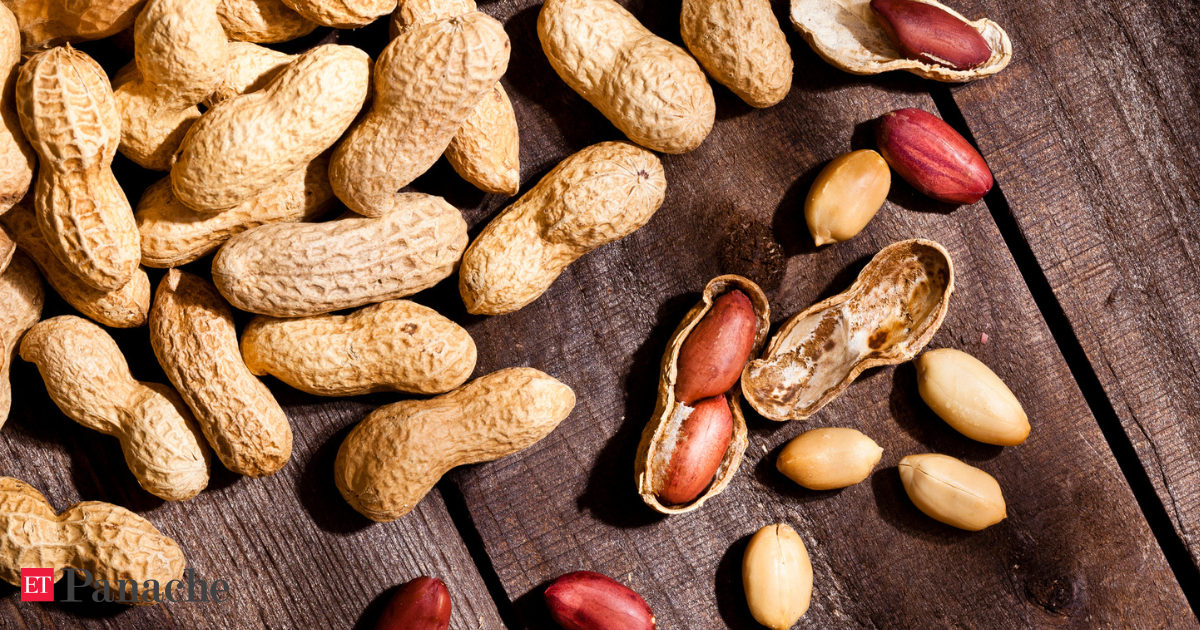
A new research wave is challenging the premium health supplement industry with an unexpectedly humble contender: peanuts. A study from Maastricht University Medical Center in The Netherlands, published in the journal Clinical Nutrition, has indicated that eating two servings of skin-roasted peanuts daily may support brain health in older adults by improving blood flow to key regions responsible for memory and decision-making.The Surprising Brain Booster in Your Kitchen The researchers examined 31 healthy adults aged 60 to 75 and found that regular peanut consumption increased overall cerebral blood flow by about 3.6 percent, with blood circulation in gray matter rising by around 4.5 percent. According to the report, specific areas linked to cognitive control showed even sharper improvement.
Blood flow in the frontal lobe increased by 6.6 percent, while the temporal lobe rose by 4.9 percent, regions that strongly influence memory and reasoning skills.
MRI scans and verbal memory tests conducted throughout the 16-week study phase demonstrated modest improvement in recall ability, with participants recognising more words during the peanut-supplemented period.
The research team highlighted that enhanced blood flow may explain this cognitive boost, since the brain depends on oxygen and nutrient delivery to maintain performance. As noted in the study, better vascular health is increasingly considered a protector against degenerative conditions such as Alzheimer’s disease.
How Peanuts May Help Prevent Cognitive Decline Peanuts contain a beneficial mix of protein, healthy fats, antioxidants, polyphenols, and the amino acid L-arginine, which plays a key role in regulating blood vessel function. The report notes that skin-roasted peanuts were intentionally selected because the skin contains additional fiber and antioxidant compounds that may enhance vascular benefits.
During the peanut phase, participants also experienced improved systolic blood pressure, dropping by about 5 mmHg, a change that can reduce long-term cardiovascular risk. Experts stress that heart health and brain health are closely interconnected.
While the findings are encouraging, researchers clarify that peanuts should not be viewed as a cure. Rather, they may offer an accessible dietary choice to support long-term cognitive well-being.
Experts Call Findings Promising But Caution on Scale External specialists reviewing the study noted both value and limitations.
Speaking to Medical News Today, neuroscientist Dr Tommy Wood described the findings as part of growing evidence that polyphenol-rich foods can enhance vascular function. He praised the crossover design but emphasised that a larger participant pool is needed to strengthen statistical certainty. He suggested alternatives like dark chocolate and berries for those unable to eat peanuts.
Internal medicine physician Dr Edmond Hakimi also told Medical News Today that the results were “promising” because they involved objective MRI-based measurements, yet reinforced the need for wider population studies. The research was funded by The Peanut Institute Foundation, though the authors maintained control over study design and analysis.
While cutting-edge drugs remain uncertain and costly, affordable foods such as peanuts could offer a meaningful tool in preserving cognitive function.
A handful of roasted peanuts a day may do more for brain performance than many overpriced brain-boosting products.
As science untangles the link between nutrition and cognition, the message is refreshingly simple: You may not need a supplement bottle to protect your memory. You may just need the right nut.
Add  as a Reliable and Trusted News Source