
Your support helps us to tell the story
From reproductive rights to climate change to Big Tech, The Independent is on the ground when the story is developing. Whether it’s investigating the financials of Elon Musk’s pro-Trump PAC or producing our latest documentary, ‘The A Word’, which shines a light on the American women fighting for reproductive rights, we know how important it is to parse out the facts from the messaging.
At such a critical moment in US history, we need reporters on the ground. Your donation allows us to keep sending journalists to speak to both sides of the story.
The Independent is trusted by Americans across the entire political spectrum. And unlike many other quality news outlets, we choose not to lock Americans out of our reporting and analysis with paywalls. We believe quality journalism should be available to everyone, paid for by those who can afford it.
Your support makes all the difference.Read more
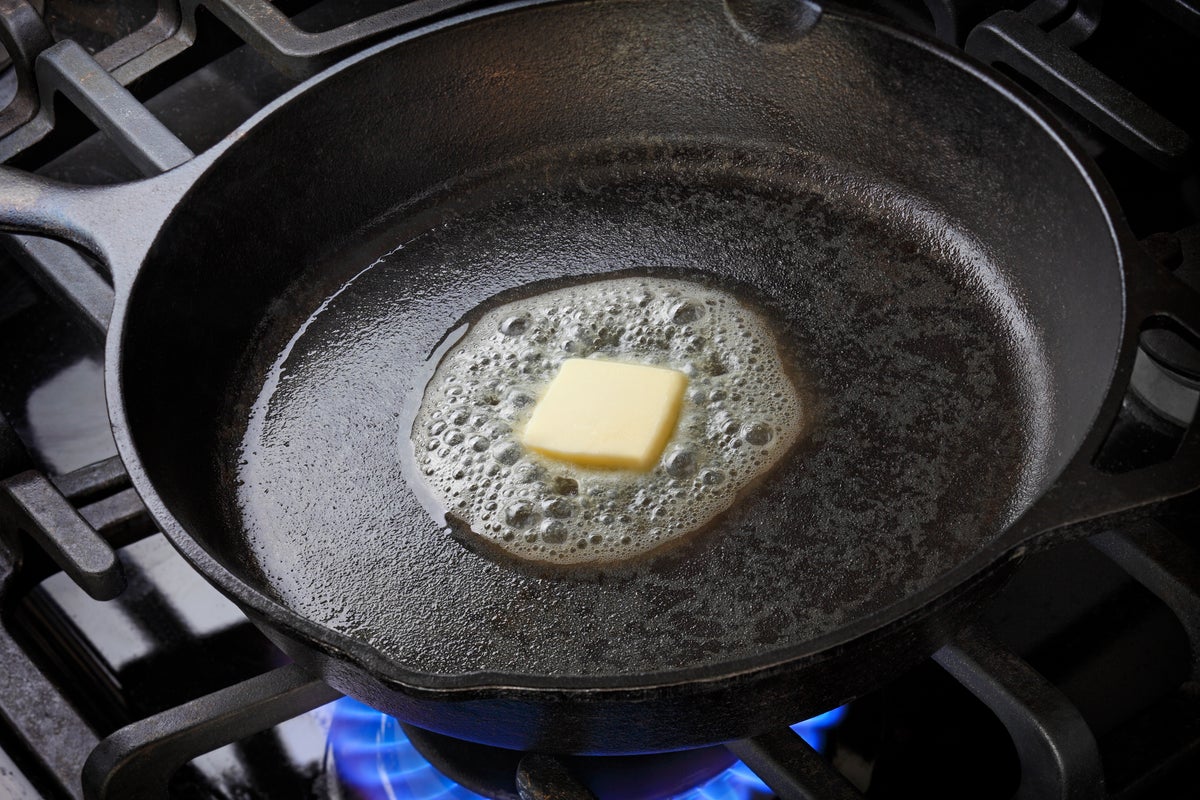
Butter is one of life’s great pleasures, but it has long been served up with a niggling kernel of concern over its health impacts due to the saturated fats within.
But new research suggests that for many people, cutting back on their intake of saturated fats does not reduce their risk of death.
For decades, saturated fats, which are naturally present in red meat and dairy products such as cheese and yoghurt, have gained a reputation as dietary villains.
They have been linked to clogged arteries and an increased risk of heart attacks and strokes. Heavy consumption has traditionally been viewed as one of the leading contributors to poor cardiovascular health, cementing saturated fats as a key target in public health campaigns and nutritional guidelines.
While acknowledging that “a small amount of fat is an essential part of a healthy, balanced diet,” the NHS advises that men should not eat more than 30g of saturated fats a day, and women no more than 20g, with the less consumed the better.
But a major meta-analysis of 17 studies, involving a total of 66,337 participants, into how reductions of saturated fats affect health outcomes, found only “high risk” individuals benefitted from reduced consumption of these foods.
“For persons at low cardiovascular risk, reducing or modifying saturated fat intake has little or no benefit over a period of 5 years,” the research team, writing in medical journal the Annals of Internal Medicine, concluded.
However, they added: “Among persons at high cardiovascular risk, low- to moderate-certainty evidence was found for important reductions in mortality and major cardiovascular events.”
In an editorial published alongside the research, Dr Ramon Estruch, and Dr Rosa Lamuela-Raventós, both of the University of Barcelona, suggested that the dial of perception on saturated fats has shifted from being wholly negative, to now even having previously under-appreciated health benefits.
“The Times They Are A-Changin,” they wrote, quoting Bob Dylan, before clarifying that they specifically mean regarding the changing debate on consumption of saturated fats.
“The perception of the health effects of saturated fatty acids (SFAs) has shifted from strictly detrimental to ‘in-between’ effects, to more recently, possibly even protective effects on cardiovascular disease and other chronic diseases for some subtypes of SFAs,” they said.
They argue that the “diet-heart hypothesis” behind the concerns about saturated fat consumption emerged in the mid-20th century, and rapidly gained traction, “and spread the concept that SFAs cause heart disease by increasing serum cholesterol level”.
They argue the hypothesis is “based on weak evidence of association and not causation”.
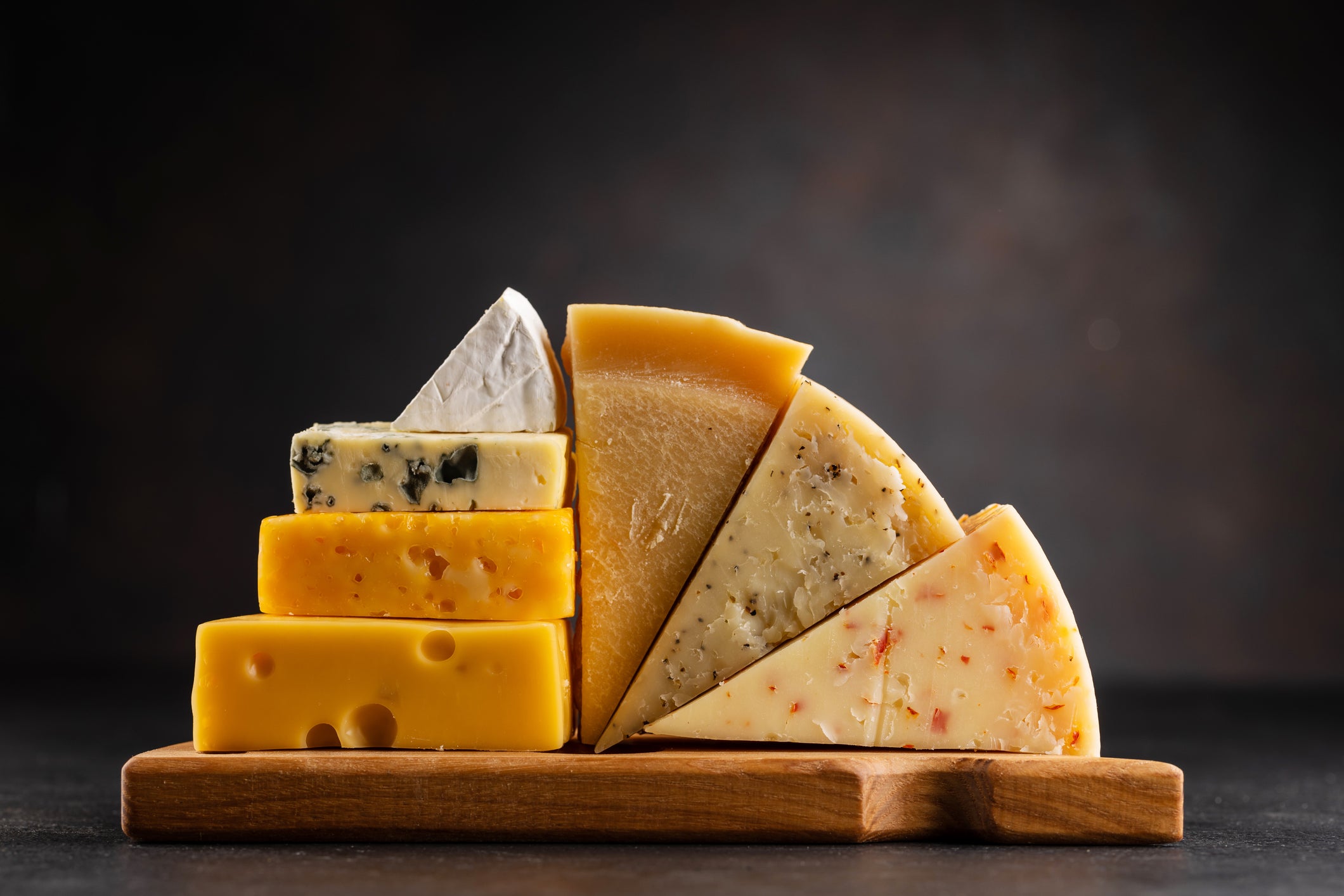 A beautiful slab of cheese – probably ok if taken as part of a balanced diet (Getty/iStock)
“In fact, maintaining a high intake of polyunsaturated and monounsaturated fatty acids, along with the consumption of short-, medium-, and very long-chain SFAs, as well as odd-chain SFAs, may confer salutary benefits within the context of an overall healthy and balanced diet,” they concluded.
The current NHS advice states: “Too much fat in your diet, especially saturated fats, can raise your cholesterol, which increases the risk of heart disease.
“Current UK government guidelines advise cutting down on all fats and replacing saturated fat with some unsaturated fat.”
However, experts have sounded a note of caution. Professor Nita Forouhi, a population health and nutrition expert at the University of Cambridge who was not involved in the study, said the analysis did not examine health outcomes over ten years – the timeframe typically used in heart-disease risk models.
“For this reason, it would be premature to change existing dietary guidelines recommending saturated fat intake below 10 per cent of total energy intake in the UK,” she told the Mail.