

If there’s one thing December never fails to deliver, it’s the creeping realisation – usually sometime around the office party or the second cheeseboard of the week – that your digestive system is staging a quiet, festive season revolt.
“With the festive season often comes a level of indulgence that leaves many of us feeling slightly worse for wear,” says Shona Wilkinson, lead nutritionist at DR VEGAN. “Rich meals, sugary treats and constant grazing between meals place extra pressure on your gut, meaning bloating becomes one of December’s most common, and least welcome, symptoms.”
The Christmas bloat has become as much a seasonal inevitability as last-minute panic-buying or googling “how long to cook a turkey”. But it’s not just gluttony for gluttony’s sake. There’s a physiological reason December leaves so many of us feeling, well, inflated. “Bloating occurs when the digestive system struggles to efficiently break down and move food,” says Wilkinson. “During the Christmas period, this is particularly common as people consume larger portions, eat a wider variety of foods and often stray from their usual routine.” In other words, it’s not you; it’s your gut, desperately trying to keep up with the sudden influx of roast potatoes, cheese boards, cocktails, canapes and late-night leftovers.
The good news? “There are simple, natural ways to support digestion and reduce feelings of heaviness and discomfort in the gut,” Wilkinson explains. Certain foods contain the enzymes, fibres and beneficial bacteria that “help the gut work at its best, even when festive indulgences are at their peak”.
Wilkinson has five recommendations for foods that don’t demand restriction or reinvention of saintly behaviour, yet can still stop your Christmas from feeling like one very long, slow-moving meal.
Fermented foods: the microbiome’s festive rescue squad
open image in gallery
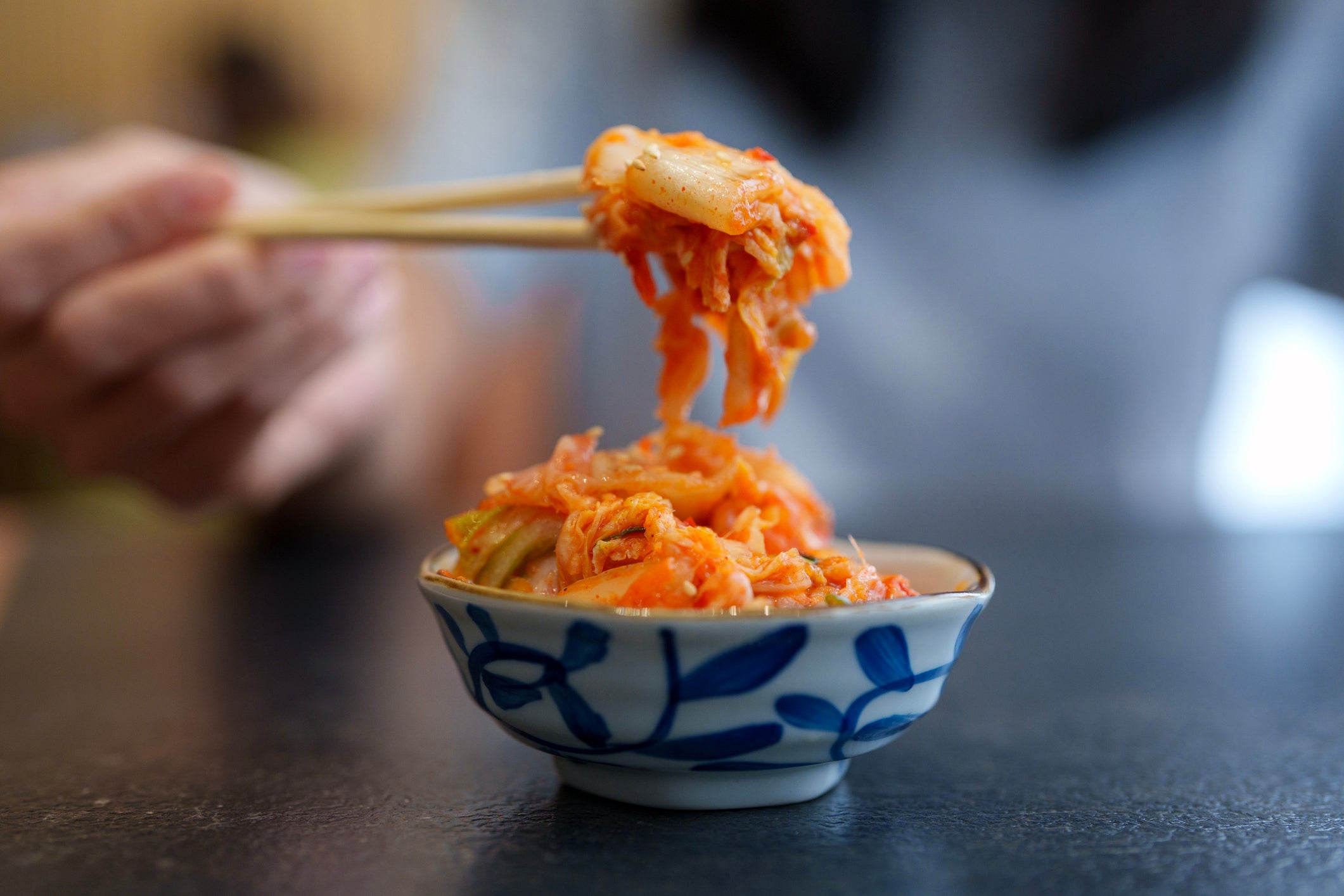
A forkful of fermented food is the simplest way to stop the Christmas buffet fighting back (Getty/iStock)
“Fermented foods are one of the most effective ways to naturally support digestion,” Wilkinson says. “Foods like probiotic-rich yoghurts, sauerkraut, kimchi and kombucha contain ‘healthy bacteria’ designed to help maintain a balanced gut microbiome.”
That microbiome takes a beating in December: more alcohol, more sugar, less fibre and less routine. It’s chaos for the trillions of microbes that normally keep our digestion humming along.
“When these foods are eaten regularly,” Wilkinson adds, “they introduce this healthy bacteria to the gut, supporting the breakdown of food while reducing gas production and digestive discomfort.” Essentially, they can soften the blow of the Christmas buffet before it lands.
Fermented foods also keep things moving, essential when your mealtimes resemble a tasting menu without an endpoint. “Probiotics also help regulate bowel movements, which is particularly important during a month when eating patterns can become irregular.” A spoonful of sauerkraut or a morning kefir is hardly the height of festive glamour, but neither is feeling like your stomach has turned into a snow globe someone won’t stop shaking.
And crucially, they don’t need to be eaten in huge quantities to make a difference. If fermented food simply isn’t your vibe, Wilkinson suggests “making use of gut-friendly supplements” with ingredients like milk thistle, silymarin and dandelion, such as Dr Vegan’s Debloat and Detox range.
Ginger: the digestive accelerator your stomach will thank you for
open image in gallery
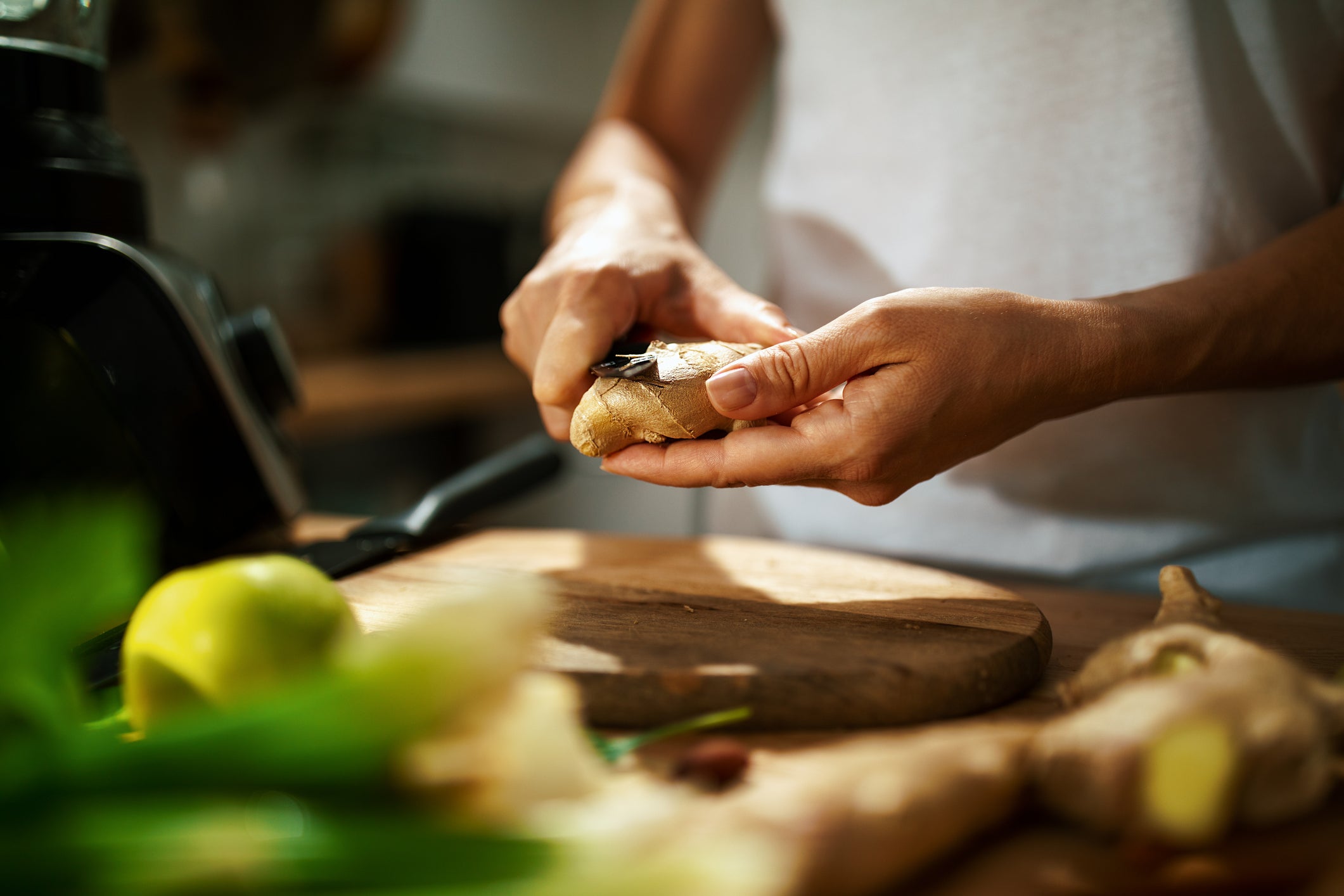
Ginger: the tiny root doing the heavy lifting after your third cheese course (Getty/iStock)
If fermented foods are the slow-and-steady helpers, ginger is the fast-acting first responder. “Ginger has long been used around the world to support digestion and ease digestive discomfort,” Wilkinson says. It works on a mechanical level, not just a folkloric one. “It contains natural compounds that help stimulate the digestive tract and encourage efficient ‘gastric emptying’.” That means food doesn’t linger in the stomach for hours, which is precisely when bloating and fullness set in.
“When food leaves the stomach more steadily, feelings of bloating and fullness are significantly reduced,” she adds. It’s particularly helpful at Christmas because zingibain – the enzyme in ginger – “helps to break down proteins”. Which, when you consider the sheer volume of meat, cheese, nuts and canapes consumed in December, feels less like a nice-to-have and more like festive survival.
It helps that ginger is easy to weave into your routine without feeling like a health kick. “Fresh ginger tea made with hot water, lemon and grated ginger is a soothing option after meals, and ginger can also be added to smoothies, soups or stir-fries for an effortless digestive boost throughout the week.”
Oats: the quiet hero of a comfortable December
open image in gallery
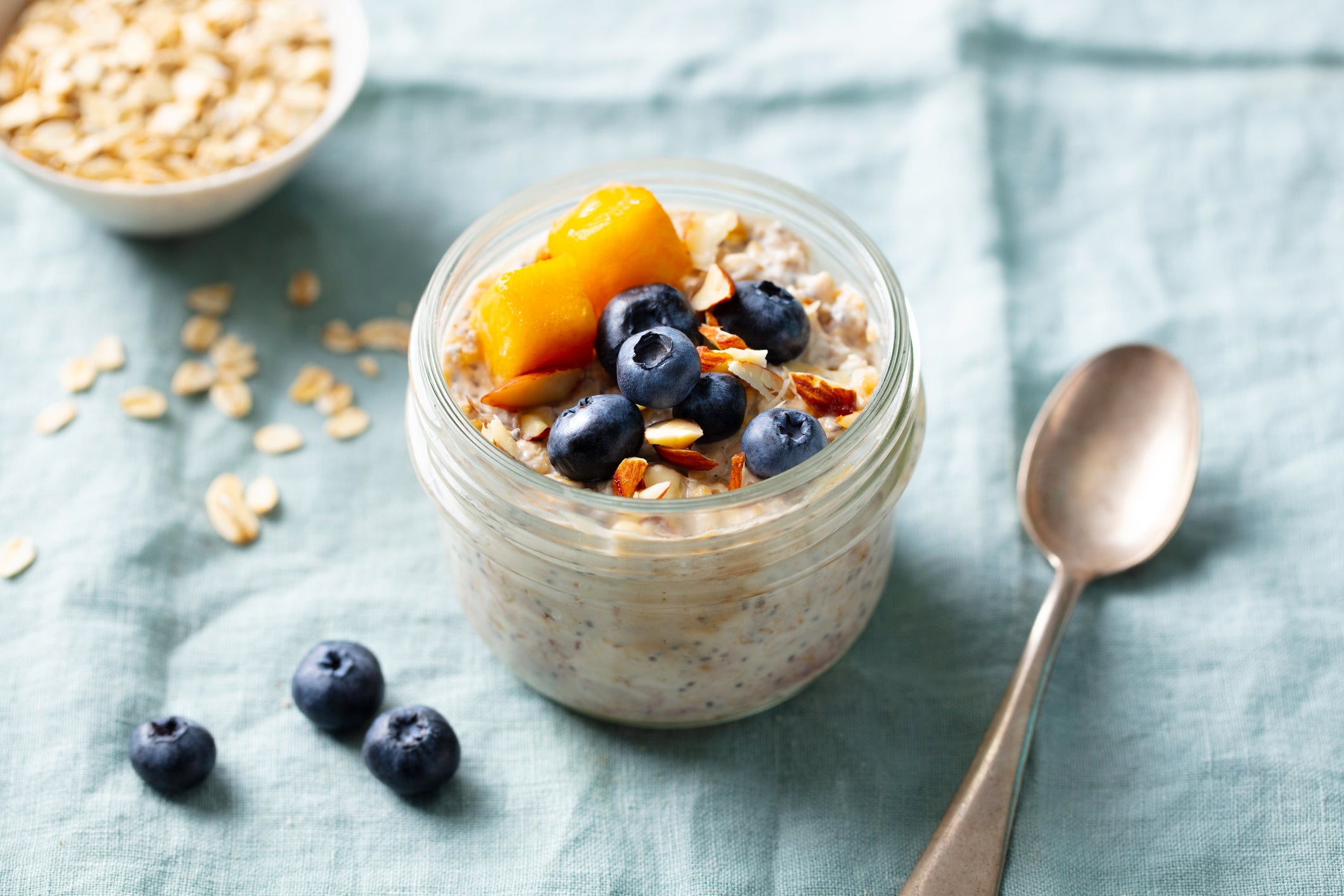
A bowl of oats – the calm, steadying counterbalance to December’s chaos (Getty/iStock)
If you’re oscillating wildly between sugar highs and gravy-induced slumps, oats might be the grounding force your gut needs. “Oats are one of the most beneficial, affordable foods for maintaining steady, comfortable digestion,” says Wilkinson. While December eating is heavy on refined carbohydrates and low on fibre, oats do the opposite. They provide slow-release energy and the kind of soluble fibre your digestive system is crying out for.
“They contain beta-glucans, a type of soluble fibre that supports digestive regularity, maintains healthy gut bacteria and helps reduce inflammation in the digestive tract.” That means fewer spikes and crashes, a more cooperative gut and, crucially, less of the bloating that creeps in when your body is overwhelmed.
“Beginning the day with porridge or overnight oats can make a meaningful difference to digestive comfort throughout the festive period,” she says. The stabilised blood sugar also “reduces energy crashes and cravings that can lead to further overeating”. Translation: a bowl of porridge might save you from inhaling half a yule log at 11am because you “haven’t eaten anything yet”.
Papaya: the enzyme-packed surprise entry
open image in gallery
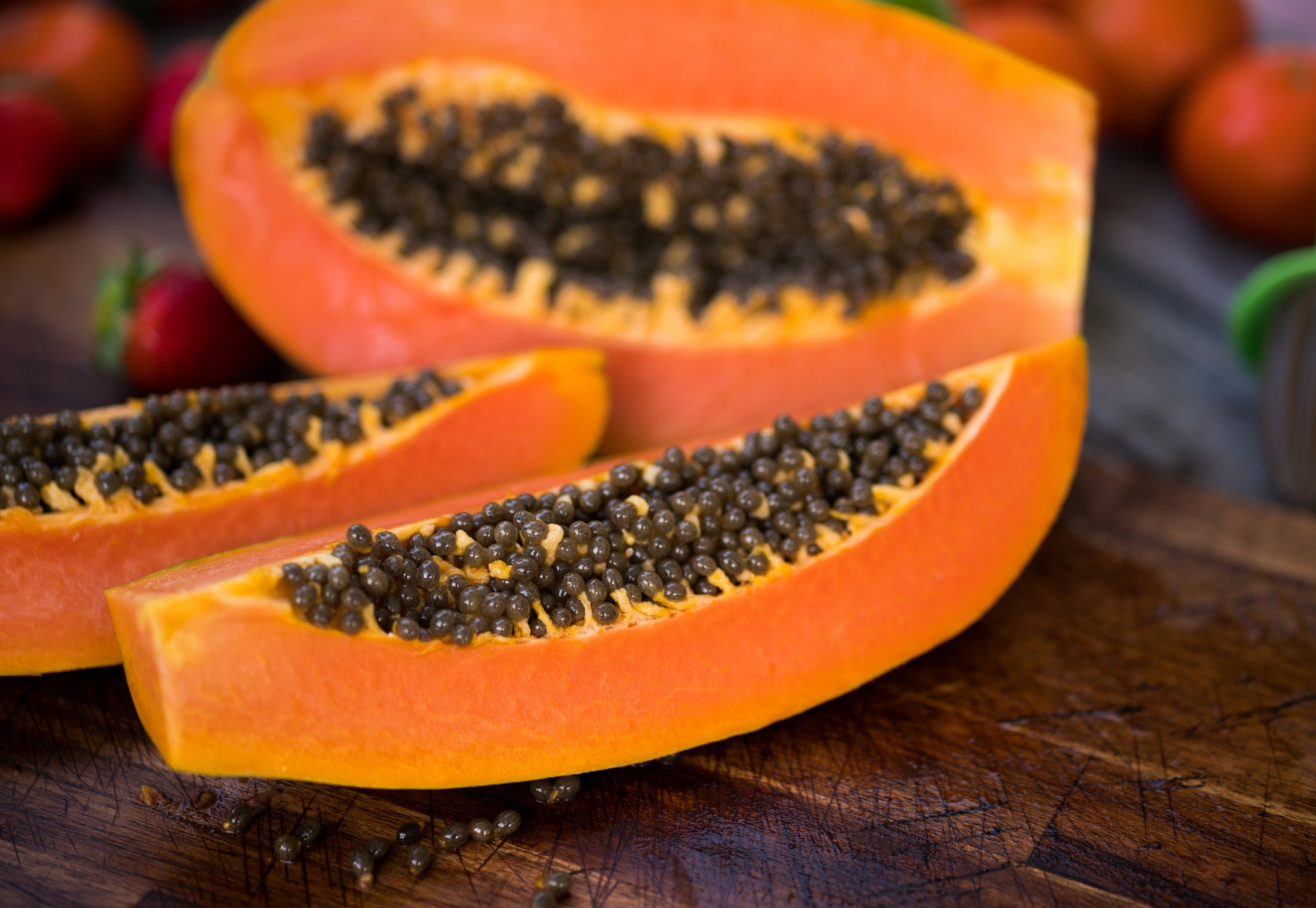
Papaya brings enzyme power to a month built almost entirely on protein and dairy (Getty/iStock)
Papaya might not be the first thing you reach for in December, but Wilkinson argues it should be. “Papaya is rich in an enzyme called papain, which helps break down proteins and supports smoother, more comfortable digestion.” This is particularly relevant when your regular meals have been replaced with turkey sandwiches, cheese selections and yet another portion of pigs in blankets.
“Beyond its enzyme benefits, papaya offers hydration, fibre and antioxidants,” she says. “These elements work together to reduce irritation in the digestive tract and contribute to regular bowel movements.”
Fresh papaya is best, “though dried papaya can also offer benefits as long as it is consumed in moderation and with minimal added sugars”. It’s worth noting her caveat that “papaya is not recommended for pregnant women”, a crucial detail often missed in wellness content.
Apples: the humble digestive workhorse
open image in gallery
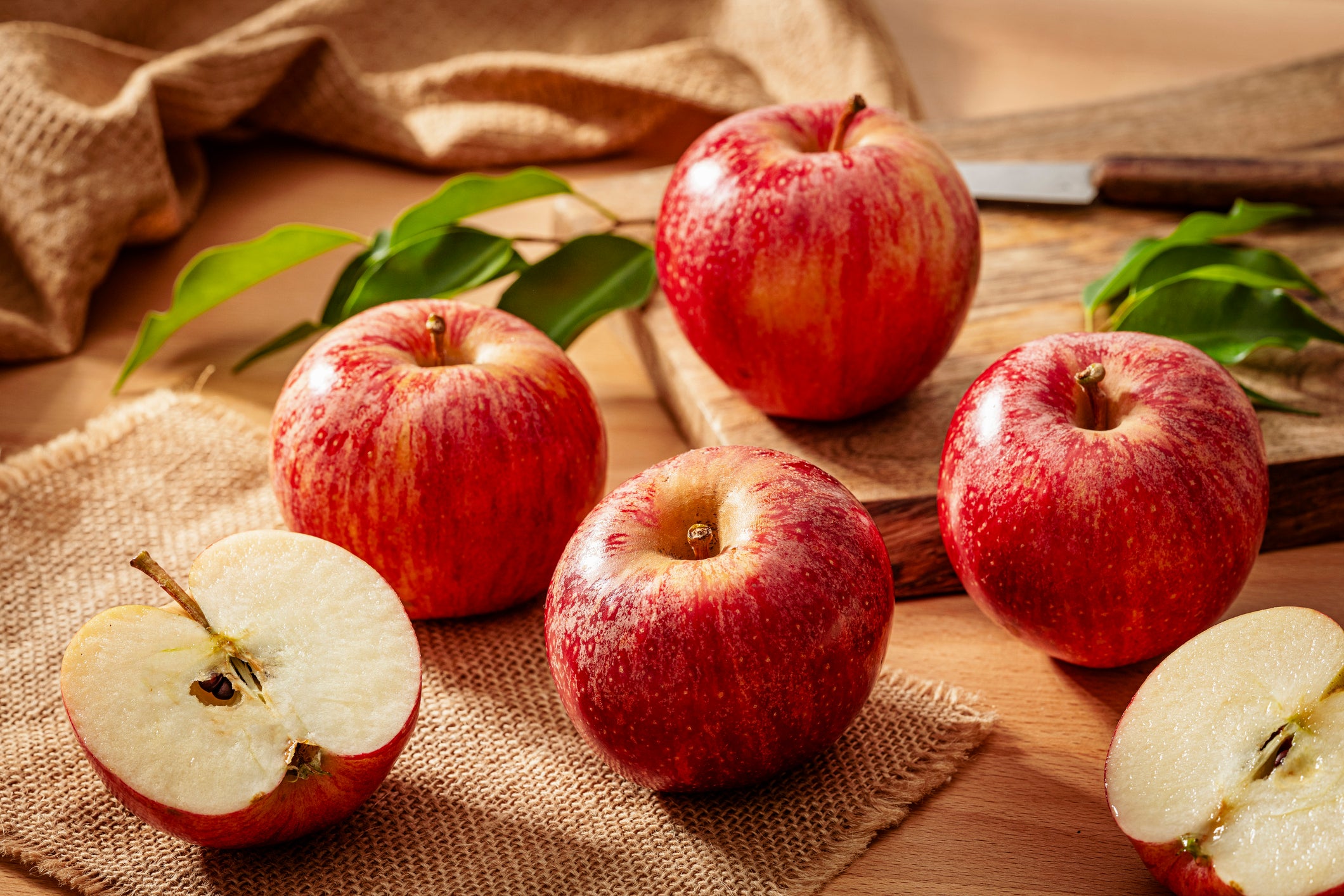
The humble apple quietly outperforms most festive ‘gut fixes’ – and costs far less (Getty/iStock)
While papaya brings the drama, apples bring the reliability. “Apples are one of the simplest yet most effective foods for easing bloating and supporting a healthy gut,” Wilkinson says. They’re rich in pectin, “a form of soluble fibre that absorbs water and helps move food steadily through the digestive tract.”
Steady movement is key. It prevents the “bunged up” feeling that often defines the later stages of December, when meals begin to stack on top of each other. Apples also contain natural prebiotics, “especially in the core”, which help strengthen the microbiome and improve digestion.
Crucially, Wilkinson specifies that “eating apples raw will benefit your digestive system most, though they can also be blended into smoothies and even baked into desserts”. They are, quite simply, the easiest festive gut support going.
A gentler, less bloated Christmas
Of course, no single food is a cure-all. And Wilkinson is clear about the bigger picture: “In addition to the foods listed above, it’s also super important to stay hydrated, get enough sleep, though this isn’t always possible during the festive season.”
Still, with a few fermented foods, a grating of ginger, a bowl of oats, a slice of papaya or an apple tucked into your bag, you can embrace the excess without feeling like your stomach is staging a mutiny. Christmas, after all, is meant to be enjoyed, not endured.