
Inflammation has become somewhat of a wellness buzzword in recent years. It’s often used as a scapegoat for a myriad of vague health problems: fatigue, bloating, acne, weight gain, brain fog. The list goes on.
If you have nonspecific, persistent symptoms, or you’re just feeling off, chances are, inflammation is the culprit — at least according to social media. On TikTok, many wellness influencers frame inflammation as an unavoidable consequence of living in the modern world.
“It’s almost like a boogeyman. … Everything is from inflammation, but it can also mean nothing a lot of the times,” Dr. Zachary Mulvihill, a physician with the Integrative Health and Wellbeing Program at NewYork-Presbyterian, tells TODAY.com.
Inflammation isn’t a new concept. It was well-recognized in ancient medicine systems, Mulvihill adds.
The recent obsession rests on the idea that if you can combat inflammation, you’ll look and feel better than ever.
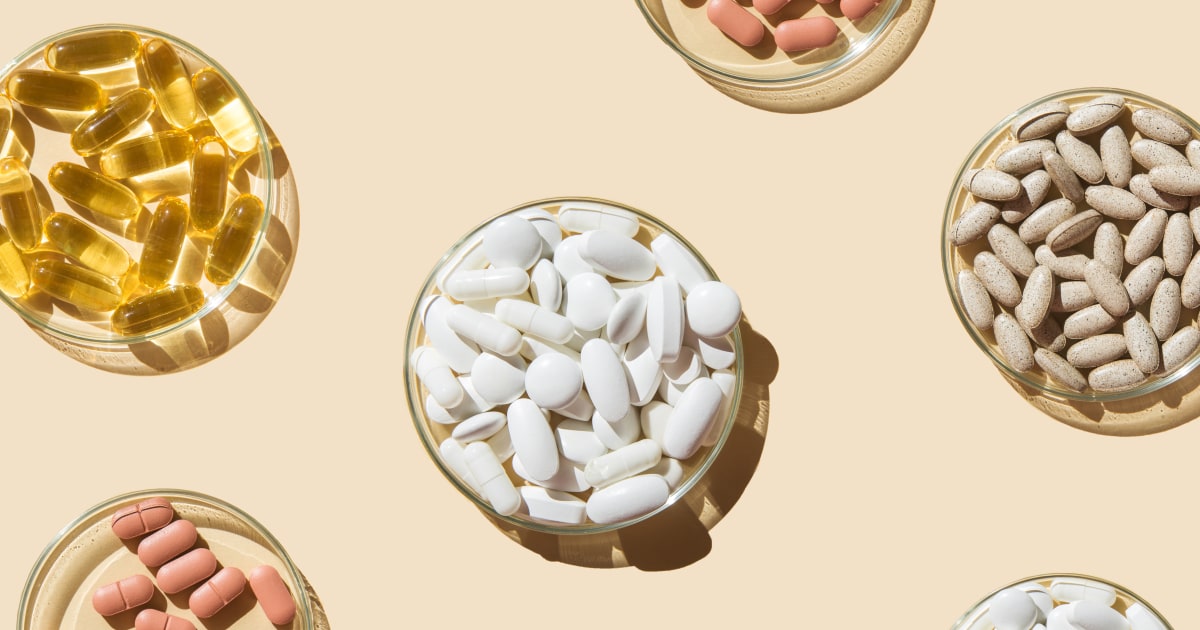
As a result, there’s been a boom in products marketed to fight inflammation, including supplements. In stores and online, you’ll find vitamins, minerals, herbs and other botanicals with claims to help with this nebulous health problem.
But do any of these supplements actually reduce inflammation, or is “anti-inflammatory” just another trendy label?
What is inflammation, why does it happen, and what does help lower it in the body? We spoke to experts about which popular anti-inflammatory supplements may have actual benefits.
What Is Inflammation?
“Generally speaking, it’s our immune system processing anything and everything,” Dr. Matthew Badgett, a primary care physician specializing in integrative medicine at the Cleveland Clinic, tells TODAY.com.
Inflammation is your body’s protective response against injury, infection and illness. Its purpose is to eliminate invaders, like bacteria, viruses, allergens and toxins, and clear out any damage so the repair process can begin, says Badgett.
The inflammatory response does this by increasing blood flow, which causes swelling, redness and heat, Dr. Natalie Azar, a rheumatologist at NYU Langone Health and NBC News medical contributor, tells TODAY.com. (Think of a red, puffy cut.)
Then the body sends out first responders — white blood cells and inflammatory cells called cytokines — which trigger the liver to produce substances called C-reactive proteins or CRP, explains Badgett. These all help the body recover and rebuild.
Acute vs. Chronic Inflammation
“Inflammation isn’t always bad,” says Azar. Acute inflammation is a sign our immune system is working. Once we’re healed, this response shuts off — usually.
Inflammation becomes problematic when it continues for too long after the body recovers or occurs in the absence of injury and illness, per the Mayo Clinic.
Chronic, low-grade inflammation can build up over time, damaging healthy tissues in nearly all parts of the body. It’s a factor in developing many diseases, says Azar, including diabetes, heart disease, rheumatoid arthritis, lupus and inflammatory bowel disease.
“Chronic inflammation is more complex,” says Azar.
How to Tell If You Have Inflammation
The symptoms of acute inflammation are usually obvious; you can see your finger swell up after jamming, for example.
Chronic inflammation, however, is often less noticeable. “It’s super complicated,” says Mulvihill. For this reason, it’s difficult to measure, Badget adds.
There isn’t one test to measure inflammation, but doctors can check the blood for levels of inflammatory markers. “There’s a blood test for C-reactive protein. When it’s really high, we may think autoimmune diseases and infections,” says Badgett. But interpreting these results isn’t clear-cut.
Elevated CRP levels are associated with a number of diseases, but these tests aren’t diagnostic. “Why an individual’s inflammatory markers are high can be really tricky to figure out,” says Badgett.
The root cause of chronic inflammation is the immune system not shutting off its inflammatory response, which is often related to lifestyle factors. These include poor diet, lack of exercise, not sleeping, smoking tobacco, drinking alcohol and stress.
How to lower inflammation varies depending on a person’s underlying health, lifestyle and medical conditions.
Do Anti-Inflammatory Supplements Work?
“The problem with all these supplements is they have limited evidence, or … some studies show some benefit and some don’t,” says Badgett.
Because inflammation is difficult to measure, this can make it hard to study the effectiveness of specific supplements.
“I think social media and the supplement industry simplifies the message that there’s all this inflammation and you can reduce it with one supplement,” says Badgett.
There is some promising research, but it’s often condition-specific, Mulviihill notes. Here’s which popular supplements may help with chronic inflammation associated with conditions.
Fish Oil (Omega-3 Fatty Acids)
Fish oil has been studied for many inflammatory and autoimmune disorders, says Azar. The star nutrient is omega-3 fatty acid, known for being anti-inflammatory and protective for heart health.
“Fish oil is probably the only one that has a substantial body of evidence,” says Mulvihill.
Omega-3s may help block sources of inflammation, including pro-inflammatory cytokines, according to the Arthritis Foundation.
A 2019 meta-analysis found that omega-3 fatty acids are associated with improvements in inflammatory biomarkers in patients with diabetes and heart disease. Of 20 clinical trials involving rheumatoid arthritis, almost all found that fish oil helped reduce joint pain and swelling, says Azar.
But, “it doesn’t mean that every single person who thinks they have inflammation should just take fish oil,” says Mulvihill.
The biggest benefit is for those who have a diet lacking in fatty fish, a natural source of omega-3s. “If you’re eating fish three or four times a week, you’re unlikely to get a reduction in inflammation from fish oil,” Badgett adds.
Turmeric (Curcumin)
Turmeric is a bright yellow spice that’s been used in cooking and medicine for thousands of years, says Mulvihill.
Curcumin, the biologically active compound in turmeric, is often touted for inflammation, joint pain and heart health, per the National Institutes of Health.
That’s because curcumin may help block inflammatory cytokines and enzymes, says Azar. Turmeric may lower CRP blood levels, help improve arthritis outcomes and reduce flares for people with autoimmune diseases, Badgett adds.
According to a 2021 systematic review, there’s good evidence that turmeric can help reduce the inflammatory response in patients with arthritis, IBD and psoriasis.
“But a lot of times, people over-emphasize the benefit of this one anti-inflammatory compound,” Badgett adds.
While turmeric may show promise for fighting inflammation, especially in arthritis patients, it’s also one of the riskiest supplements you can take, TODAY.com previously reported.
“Turmeric is very condition specific. A lot of people are misusing it,” says Mulvihill.
Ginger
Ginger, another potent herb, is a popular for inflammation and digestive health.
There’s some evidence ginger has anti-inflammatory compounds similar to ibuprofen, and research shows it may help switch off certain inflammatory genes, says Azar.
A 2022 review of research found that ginger shows efficacy against several inflammatory diseases, and may help improve symptoms of rheumatoid arthritis, psoriasis and lupus — but more research is needed, the authors wrote.
In a double-blind randomized controlled trial of 70 Type 2 diabetes patients over three months, ginger improved insulin sensitivity and reduced CRP levels.
However, you won’t reap these anti-inflammatory benefits from ginger overnight. “If you’re really trying to reduce chronic inflammation, this is a supplement you should be taking for a long time,” says Badgett.
Vitamin D
Vitamin D is an essential nutrient that supports strong bones, healthy immune function, and it may have anti-inflammatory properties, the experts note.
“There is some evidence that Vitamin D reduces inflammation and lowers high CRP a little bit,” says Badgett.
According to a 2024 study, vitamin D may help with the management of metabolic disorders. However, the research on vitamin D for inflammation tends to be more limited and mixed, Mulvihill adds.
Studies show a vitamin D deficiency is associated with several inflammatory diseases, but it’s unclear if the deficiency contributes to developing these diseases or it’s a symptom, according to a 2014 meta-analysis.
“If you have good vitamin D levels, I don’t think more vitamin D is going to lower your CRP or inflammation,” says Badgett.
Who Should Take Anti-Inflammatory Supplements?
People with conditions linked to chronic inflammation may benefit from taking fish oil, turmeric, ginger or vitamin D as directed by a health care provider.
“In the supplement world, I’d say fish oil is No. 1 and turmeric is No. 2,” Mulvihill adds.
Always talk to your doctor before starting supplements to determine which type and dosing regimen is appropriate.
“Part of it is finding the shortcomings in a patient’s diet and lifestyle that a supplement will actually help,” says Badgett.
Anti-Inflammatory Supplement Risks
Although supplements are often marketed as the more natural alternative to anti-inflammatory drugs like NSAIDs, they can still have a powerful impact on the body. Many cause unpleasant side effects and interact with other medications, the experts warn.
Fish oil is generally safe in moderation, says Mulvihill, but getting too much can cause excessive bleeding, per the Mayo Clinic.
Turmeric can act as a blood thinner, says Azar, and should be avoided if you take anti-coagulants or are pregnant. In high doses, turmeric can cause liver injury or failure, Mulvihill warns.
“Ginger can also interfere with medications for blood thinning, and it should not be used if you have gallstones,” says Azar.
Vitamin D is a fat-soluble vitamin, which means any excess is stored in the body. High doses can lead to vitamin D toxicity, which can cause organ failure, TODAY.com reported previously.
What Works to Lower Inflammation?
Lifestyle factors often fuel chronic inflammation. While supplements may fill gaps, they can’t make up for unhealthy habits.
“Eating a lot of processed, unhealthy foods, smoking cigarettes, drinking a lot of alcohol, stress are obviously very inflammatory … and those are the elephant in the room we need to address (first),” says Mulvihill.
Ultimately, the intervention with the most compelling evidence for reducing inflammation is a healthy diet.
“It’s diet where the average American has the most room for improvement, especially for inflammation,” Badgett adds.
An anti-inflammatory diet, such as the Mediterranean diet, prioritizes whole, unprocessed foods rich in nutrients that can help lower inflammation, says Mulvihill.
These include olive oil and fatty fish, such as salmon, rich sources of omega-3s. Vegetables and fruits provide plenty of vitamins, minerals, antioxidants and other anti-inflammatory plant compounds, like polyphenols, says Azar.
Whole grains and legumes are some of the healthiest carbs you can eat, and nuts and seeds are rich in healthy fats and protein.
An anti-inflammatory diet is also high in dietary fiber. Fiber intake is consistently associated with reducing inflammatory markers, says Badgett, and it helps healthy gut bacteria flourish.
Getting adequate sleep, exercising regularly and managing stress are also key steps to reducing inflammation.
“I always say, supplements are here to supplement your diet and lifestyle,” Mulvihill says.