
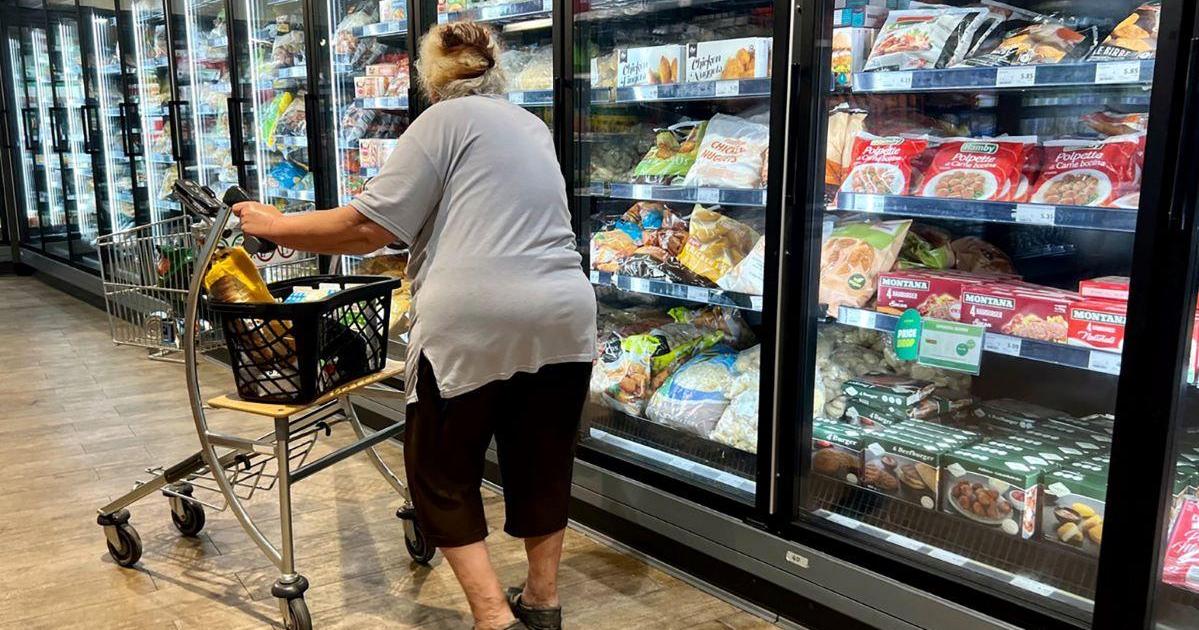
Most consumers admit they don’t read nutrition labels when shopping for groceries, even if they are on the front of food packaging, according to a study.
Researchers from the University of Malta found that while shoppers think food content labels are important, they don’t consider them when buying food.
From a total of 600 adults, while 86% recognised the importance of front-of-pack labelling, 62% did not read such labels during grocery shopping and fewer than half found them easy to understand.
The study, carried out by Nairong Zhang, Shania Cardona, Kimberly Galea and Sarah Cuschieri, was published in the International Journal of Food Sciences and Nutrition.
Cuschieri, a senior lecturer at the University of Malta’s Faculty of Medicine and Surgery, is now building on the results of that study with another one, examining how adolescents interpret food labels and make food choices, as part of broader efforts to tackle Malta’s persistently high obesity rates.
“Malta has a big obesity problem – in children, adolescents and adults,” she said. “This is a huge burden on an individual and national level. There are various determinants, from genetics to lifestyle choices, including what we eat. To pay attention to what you are eating, you need to know what the food is giving you and this is where food labelling comes in.”
The study titled Next Food MT, will focus on 13- to 15-year-olds across all schools in Malta and Gozo.
“We are dealing with the next generation of adults – which is where we need to focus if we really want to bring about change,” said Cuschieri, who is also founder of the Chronic Disease Epidemiology Research Network.
The first step is understanding how adolescents use and interpret food labels when choosing what they eat – with a focus on front-of-pack nutrition labelling that provide simplified nutrition information on the front of food packaging to help consumers make healthier choices.
Beyond this, the research will explore how these behaviours are shaped by home and school food environments as well as family food-shopping habits. For this reason, the study will involve home economics teachers and examine school food environments such as tuck shops, vending machines and surrounding food outlets.
The two-year study, which is currently in the data-gathering stage, will culminate in a report to the authorities and a bilingual educational video on food labelling to be shown in schools.
Front-of-pack nutrition labelling
Front-of-pack nutrition labelling offers accessible nutritional information, serving as a first step in recognising food properties associated with chronic disease risk.
This labelling exists in different types, with the most common ones used in Malta being the Nutri-Score and Guideline Daily Amount. The Nutri-Score system uses five letters (A–E) with corresponding colours to indicate a product’s nutritional quality, helping consumers make healthier choices.
The Guideline Daily Amount system provides daily recommended intake values, displaying content of calories, sugars, fats, saturated fats and salt in both grams and percentages of the daily allowance.
These offer at-a-glance information about products that could otherwise be misleading. For example, a yoghurt labelled as ‘low fat’ might have high levels of sugar and would score poorly compared to a similar low-fat yoghurt with little sugar.
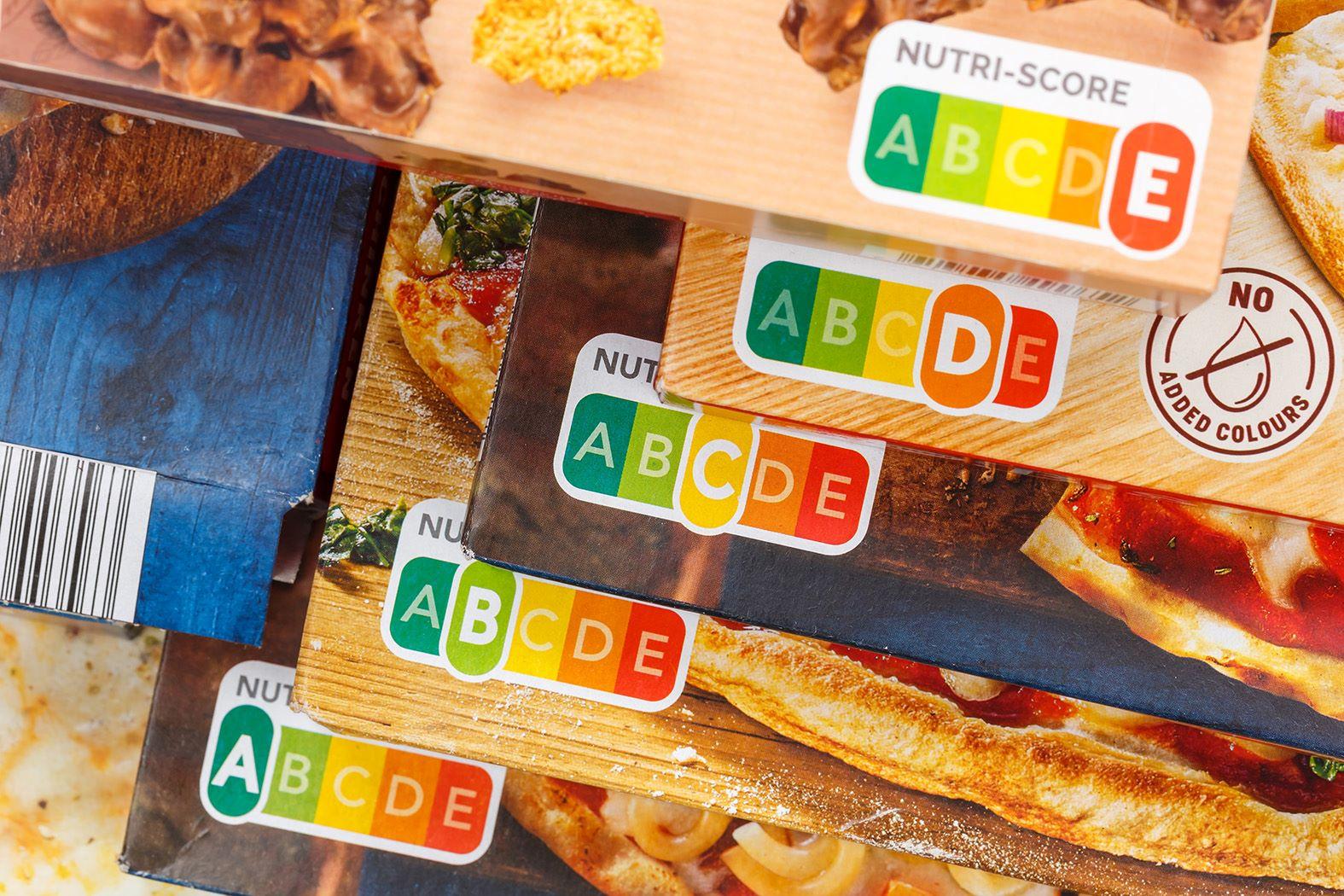 The Nutri-Score system uses five letters (A–E) with corresponding colours to indicate a product’s nutritional quality, helping consumers make healthier choices. Photo: Shutterstock.com
Under current EU rules, front-of-pack nutrition labelling is voluntary rather than mandatory. France has moved toward mandatory Nutri-Score labelling at a national level, with implementation starting last November, although this does not apply EU-wide.
Poor-quality diets are strongly associated with increased risk of chronic health conditions such as obesity, diabetes and cardiovascular disease.
Malta has for years topped European overweight and obesity rankings, with projections suggesting that more than a third of the adult population could be obese by 2030.
This week, the European Commission launched the new EU Cardiovascular Health Plan, known as the Safe Hearts Plan, which aims to improve cardiovascular health across Europe.
The plan calls for clear and strong legal measures to promote cardiovascular health, including mandatory, harmonised front-of-pack labelling to guide consumers toward healthier food options and measures to improve the affordability of healthy foods.
The project is funded by Xjenza Malta in partnership with the Ministry for Health and Active Ageing and is endorsed by the Ministry for Education, Sport, Youth, Research and Innovation.