 The control of blood glucose levels, at its best serves as the main strategy to stop and treat diabetes and metabolic syndrome and their associated cardiovascular diseases. The treatment of hypertension depends on medications and structured lifestyle changes but patients can achieve additional health advantages through their daily food selections which should include functional foods. The nutritional benefits of flaxseeds and chia seeds make them important dietary additions because they contain omega-3 fatty acids and soluble fibre and lignans. Scientific evidence now shows that these compounds help control blood sugar levels after meals while they enhance insulin function and improve metabolic wellness. Dr David Chandy, Director of Endocrinology at Sir H.N. Reliance Foundation Hospital lists down the reasons why it is important to consume these two seeds regularly.Why fibre in food is importantThe plant-based mucilage gums found in flaxseed and chia make these two ingredients the most abundant sources of soluble fibre among all plant-based foods. The fibre becomes a thick gel-like substance when it is combined with water which helps to reduce stomach emptying time and prolongs the process of carbohydrate breakdown and body absorption. The process leads to three essential changes in metabolic activity.The digestion of soluble fibre slows down glucose absorption which stops blood sugar levels from rising too quickly after meals. The pancreas needs to produce less insulin because it controls how glucose enters the body which helps decrease hyperinsulinaemia and enhances insulin sensitivity. The consumption of this product leads to better feelings of fullness which results in people consuming fewer calories.
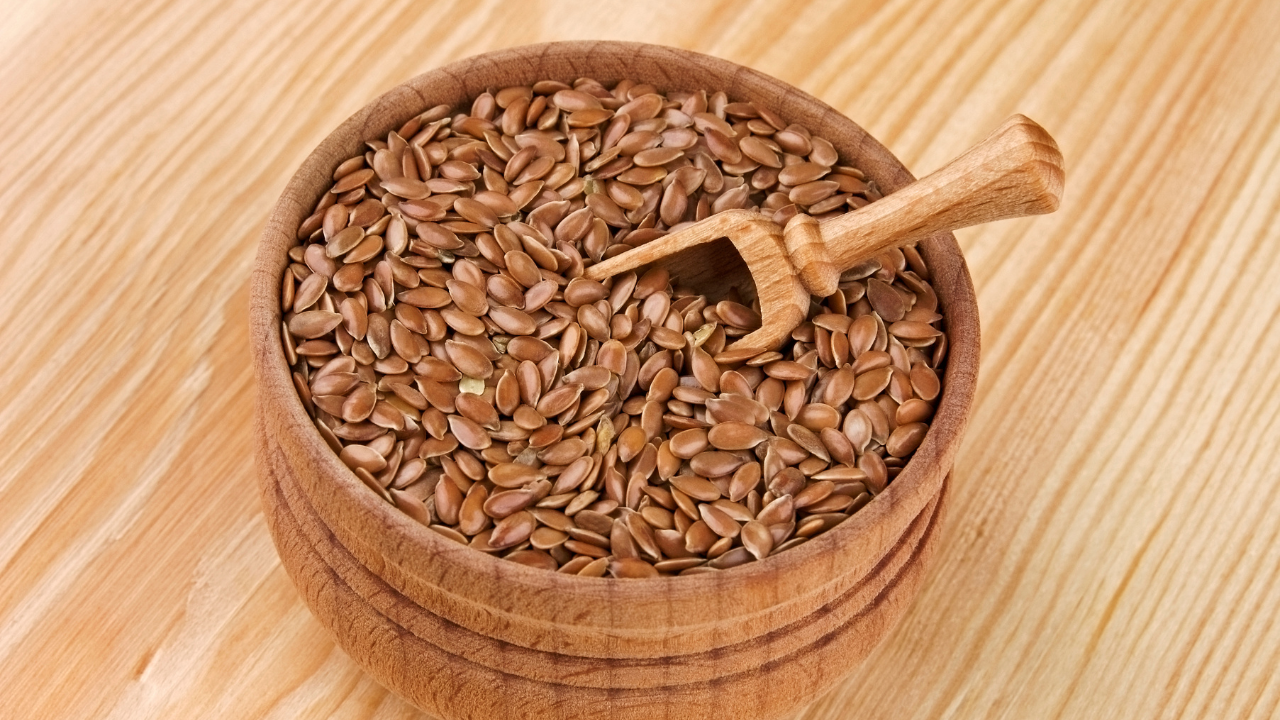
 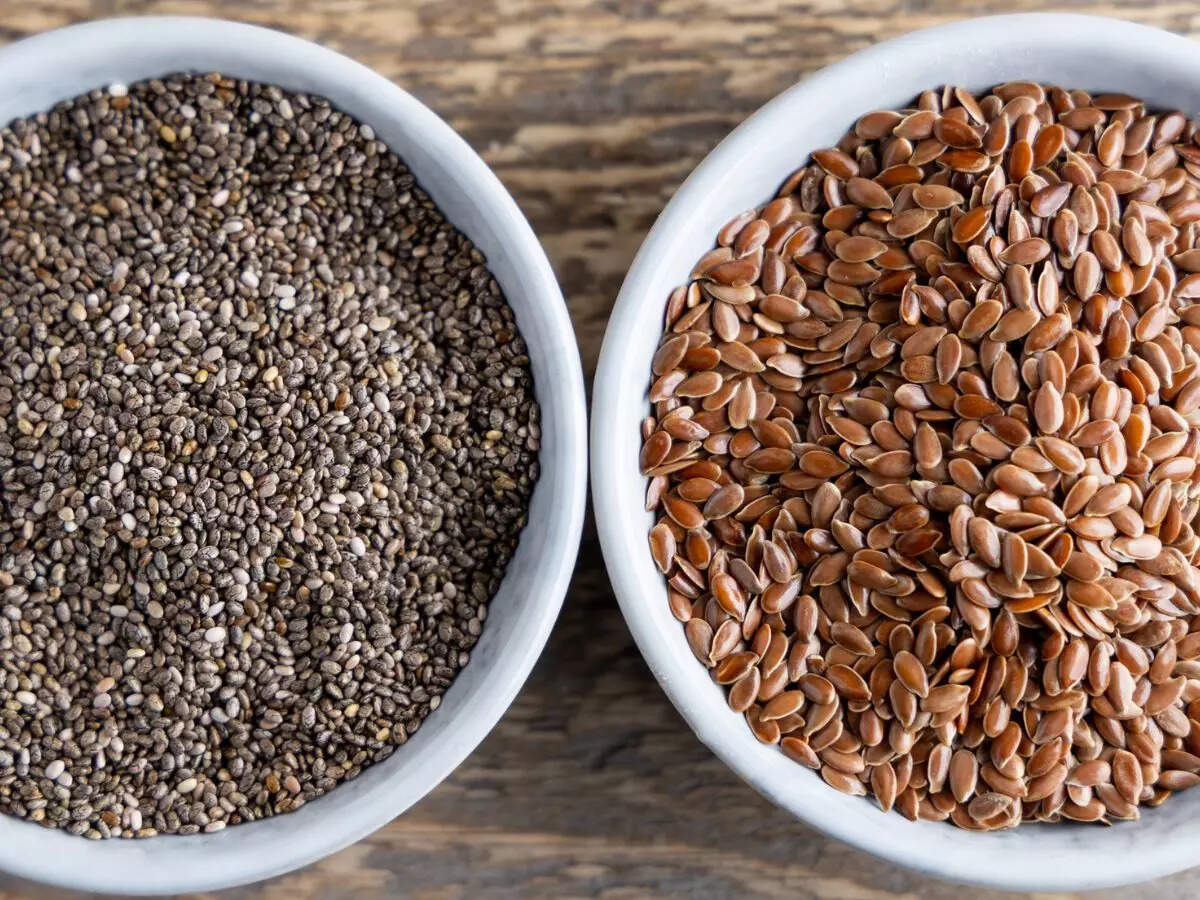 The gel-like properties of chia and flaxseed help people feel full sooner which can help with weight loss efforts that are essential for diabetes and prediabetes treatment.Research studies demonstrate that consuming 10–20 grams of these seeds per day with meals leads to significant blood sugar control. The glucose tolerance of people with impaired glucose tolerance or early diabetes shows increased sensitivity to this effect.Omega-3 Fatty Acids: Anti-inflammatory protection for metabolic healthThe seeds are rich in alpha- acid (ALA) a plant-derived omega-3 fatty acid. The omega-3 ALA present, in plant sources offers benefits compared to the long-chain omega-3s EPA and DHA found in fish. The scientific community currently recognizes that persistent low-grade inflammation is a factor in the emergence of insulin resistance the onset of dyslipidaemia and the harm, to endothelial tissue. Omega-3 fats assist in mitigating this by:Reducing inflammatory cytokinesImproving endothelial functionEnhancing lipid profiles (lower LDL & triglycerides)How to incorporate them in the daily diet: Flaxseeds:Prefer ground flaxseed instead of whole seeds for better absorptionAdd 1–2 tablespoons to curd, dal, chapatis, salads, or smoothiesStore in an airtight container to prevent oxidationChia Seeds:Soak 1 tablespoon in water for 20–30 minutes to form a gelMix, into porridge, overnight oats, coconut water, buttermilk or DIY energy bowlsUseful as a pre-meal supplement to moderate glucose spikesA daily total consumption of 15–20 g is typically safe for the majority of people, with diabetes.
  Safety Considerations: Who should be careful while consuming themPeople using insulin or sulfonylureas might require observation since enhanced glucose regulation can reduce blood sugar levels.Individuals experiencing trouble, with swallowing ought to refrain from eating seedsIt is recommended to introduce to avoid bloating caused by the elevated fibre contentIndividuals who have bowel disease or a past occurrence of bowel obstruction need to seek advice from their doctorChia and flaxseeds provide a readily available source of nutrients known to improve glycaemic control, making these foods an essential component of a diet based management program for people with diabetes or prediabetes. Both foods contain a unique nourishing combination of soluble fibre, omega 3 fatty acids, lignans, and micronutrients that support improved metabolic stability when included in a balanced diet, and lifestyle along with appropriate medications.