
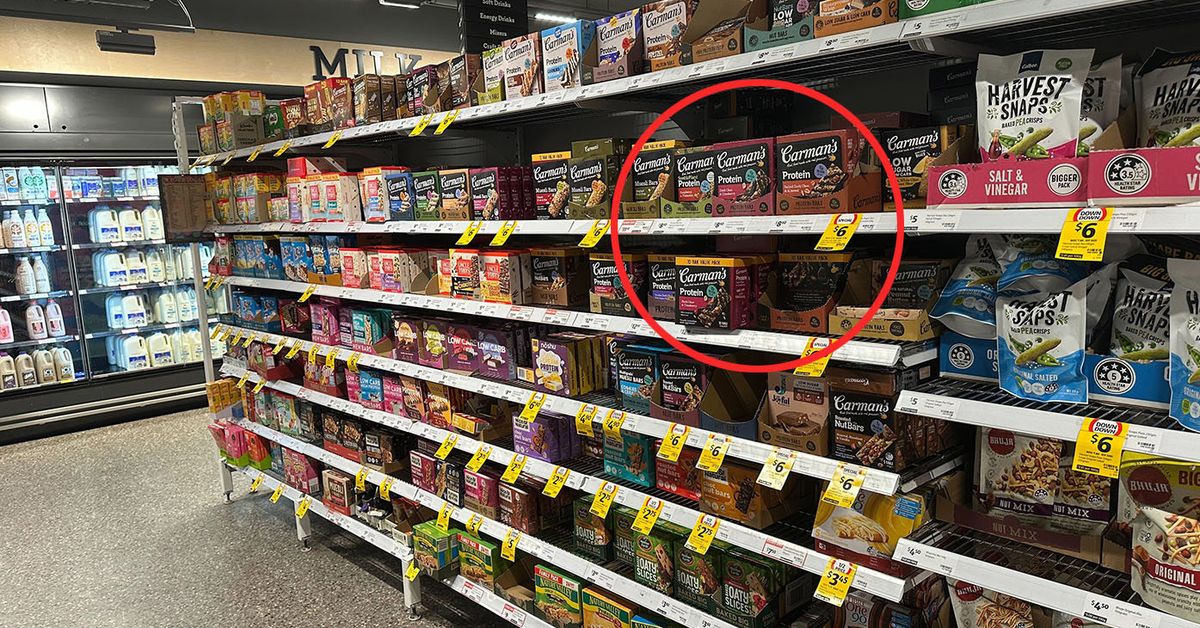
You can’t walk down the aisles at your local Coles, Woolworths or Aldi anymore without seeing the word ‘protein‘.
Those seven little letters took over supermarket shelves in 2025, popping up on everything from cereal boxes to yoghurt pouches.
It also convinced plenty of Australians to pay extra for the protein versions of products they already know and love.
 The word ‘protein’ has taken over supermarket aisles in 2025. (Nine)
But what’s the truth about protein, and is it actually worth paying more for?
Nine.com.au sat down with a nutritionist, consumer behaviour specialist, and protein lover to unearth the truth.
Why is protein so popular right now?
According to the experts, it’s a combination of protein’s nuritional benefits and clever marketing that makes it so appealing.
READ MORE: Are ‘protein’ versions of supermarket staples actually worth the cost?
READ MORE: Dietitian-approved ‘superfood’ hiding in the supermarket fridge aisle
READ MORE: Supermarket protein snacks a dietitian recommends buying
“Protein itself is having a moment right now because it’s a nutrient that can support a number of health goals, such as weight training and building lean muscle, and for weight management by controlling appetite,” nutritionist and dietitian Jaime Rose Chambers said.
“Existing foods that contain extra protein can then be an appealing way to include more protein into the diet, while still eating your favourite foods.”
Protein shakes and powders have been around for years, but now you can get high protein versions of supermarket staples like:
protein museli barsprotein cerealprotein bread/wrapsprotein pastaprotein milk alternativesprotein cheeseprotein pancake mix
And that’s just from the first page of results when you search ‘protein’ on the Coles website. You can even buy protein water now!
 The writer had this Selfish protein water mix in her office desk drawer. (Nine)
Griffith University associate professor and consumer behaviour specialist Sameer Deshpande said advertising also plays a role.
Protein has become a health buzzword in 2025 and its popularity on social media has made it all the more attractive to everyday Australians.
Society is also becoming more health-conscious, meaning many are willing to invest extra cash into purchases they believe will improve their health.
“Psychologically, the labelling of the product enhances the perception of the product and the value we associate with the product,” Deshpande previously told Nine.com.au.
“As value and price are positively associated, a consumer can justify the additional cost.”
Are high protein versions of food worth it?
This largely depends on the product, your personal health goals and grocery budget.
“Many of the protein versions of popular food products are unlikely to make a significant difference to your total intake of protein due to the very small amount of extra protein in the product,” Chambers said.
“However there are certainly some products where the protein is quite a bit higher than the original product and may be a practical way of adding more protein to the diet.”
If you want to increase your protein intake or you’re working towards specific fitness goals, those products can be a good way to hit your daily targets.
But the extra cost could put a dent in your grocery budget.
 Paying for high-protein versions of common supermarket buys could blow your grocery budget. (Getty)
Kristine from the nine.com.au office buys a lot of protein versions of supermarket staples.
“As someone who doesn’t eat a lot of red meat, I look to other sources to ensure I’m getting enough protein each day to support my regular strength training,” she said.
But she’s picky about what she pays for.
When it comes to high protein yoghurts, oats, and muesli bars, it pays to do your research.
Kristine compares each protein version with its ’normal protein’ counterpart to make sure the extra spend is actually worth it.
“Often times you are only getting a few grams of extra protein but paying double what you normally would,” she said.
“‘Protein’ Milo is one of the biggest rip-offs I’ve seen, but I use the ‘high protein’ Milo cereal.”
That’s because regular Milo contains 2.5g protein per 20g serve, while ‘protein’ Milo has about 4g protein per 20g serve – that’s only 1.5g extra.
By comparison, regular Milo cereal has about 2.6g per 30g serve, while the protein version has about 7.2g per 30g serve – almost 5g more.
 Regular Milo cereal has about 2.6g per 30g serve, while the protein version has about 7.2g per 30g serve. (Nine)
“I have a very specific goal and track my nutrition so these things really work for me,” Kristine added.
“But so many people just think if it says ‘high protein’ it must be better – and they don’t need to waste their money on these things.”
According to Deshpande, the best way to decide if a protein product is worth the extra spend is by asking two simple questions.
Do you need the extra protein?How much extra protein is actually included?
If the answers aren’t “yes” and “lots”, it’s probably not worth it.
Chambers added that there are cheaper ways to hit your protein goals, like buying high-protein whole foods.
Do I need protein?
Yes, protein is a vital nutrient we all need to keep our bodies functioning properly.
It helps our cells grow, repair and function, and is especially important for building muscle and maintaining a strong immune system.
Eating more protein may also help you lose weight, as it can help you feel fuller longer and boost several weight-regulating hormones.
Common sources of protein include meat, chicken, fish, eggs, dairy products, and plant-based options like soy products , quinoa , amaranth and buckwheat.
How much protein you need per day depends on your age, sex, height and weight.
Daily approximates according to the Dietitians Australia website are as follows:
Adult women: 0.75g protein per kilo of body weightAdult men: 0.84g protein per kilo of body weightPregnant, breastfeeding or aged over 70: 1g protein per kilo of body weight
Chambers said the average Australian eating a normal diet is likely to be meeting basic protein needs without needing extra protein products.
“There are certain populations that require, or may benefit from higher protein intake, such as women after perimenopause and menopause, the elderly, those doing regular weight training and some athletes as well as for some medical conditions,” she said.
If you don’t eat enough protein (or no protein at all), you risk protein deficiency.
Symptoms of protein deficiency include muscle wasting, reduced physical function, anaemia, fluid build-up, and slow growth in children.
On the flipside, eating too much protein can cause symptoms like fatigue, dehydration, nausea, diarrhea, indigestion, digestive issues.
FOLLOW US ON WHATSAPP HERE: Stay across all the latest in celebrity, lifestyle and opinion via our WhatsApp channel. No comments, no algorithm and nobody can see your private details.