
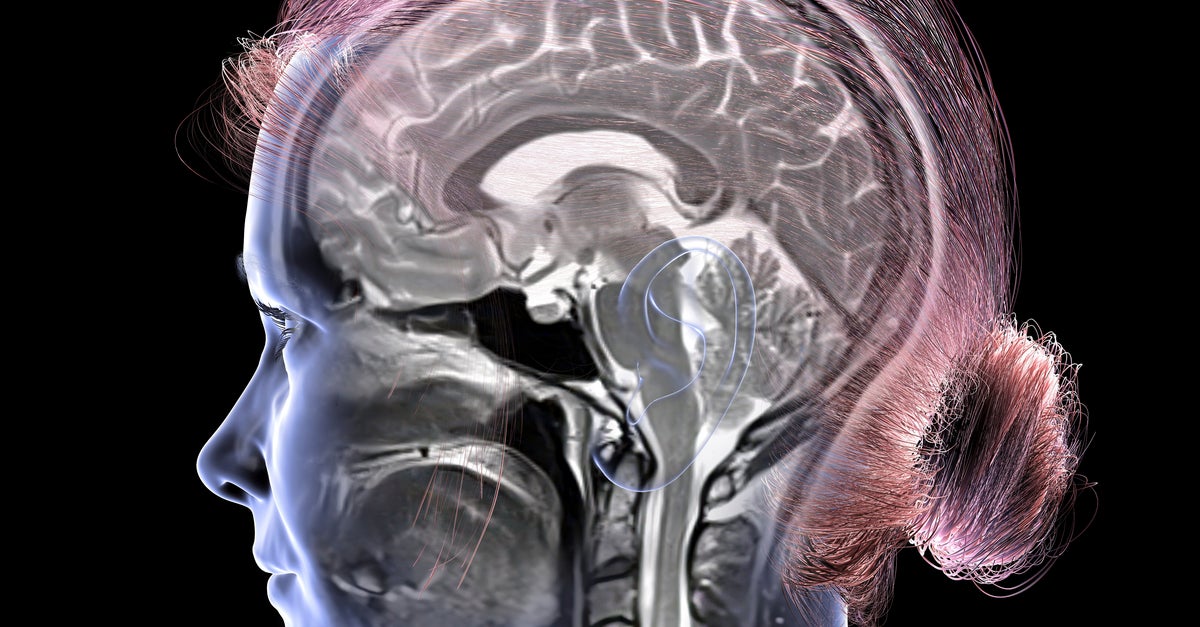
Engaging in 150 minutes of consistent aerobic weekly exercise may help keep your brain younger, according to recent findings from a study published in the current issue of the Journal of Sport and Health Science.
The study included a clinical trial that analyzed 130 adults aged 26 to 58 over the course of a year, the Science Daily reported. The participants were divided into two groups — one control group that maintained their usual physical activity, and the other in a moderate-to-vigorous aerobic exercise group.
Participants in the exercise group completed two 60-minute supervised workout sessions per week. They were also instructed to complete weekly exercises at home, which brought their total amount of weekly exercise time to 150 minutes.
Scientists evaluated the “brain age” of all the participants using MRI (Magnetic Resonance Imaging) scans at the end of one year. They found that those who participated in the exercise group had a decrease in brain age, whereas those in the control group showed a slight increase.
ScienceDirect states on its website that “brain age” has been shown to “relate to cognitive [aging] and multiple aspects of physiological [aging] and to predict the risk of neurodegenerative diseases and mortality in older adults.”
The study found that those in the exercise group decreased their brain age — meaning their brains appeared “younger” — by 0.6 years, while brain age increased by 0.35 years in the control group. While Science Daily notes that the increase in the control group was not on its own “statistically significant,” the gap between both groups amounted to nearly one full year.
“Even though the difference is less than a year, prior studies suggest that each additional ‘year’ of brain age is associated with meaningful differences in later-life health,” Kirk I. Erickson, senior author of the study and a neuroscientist and director at AdventHealth Research Institute and the University of Pittsburgh, told Science Daily. “From a lifespan perspective, nudging the brain in a younger direction in midlife could be very important.”
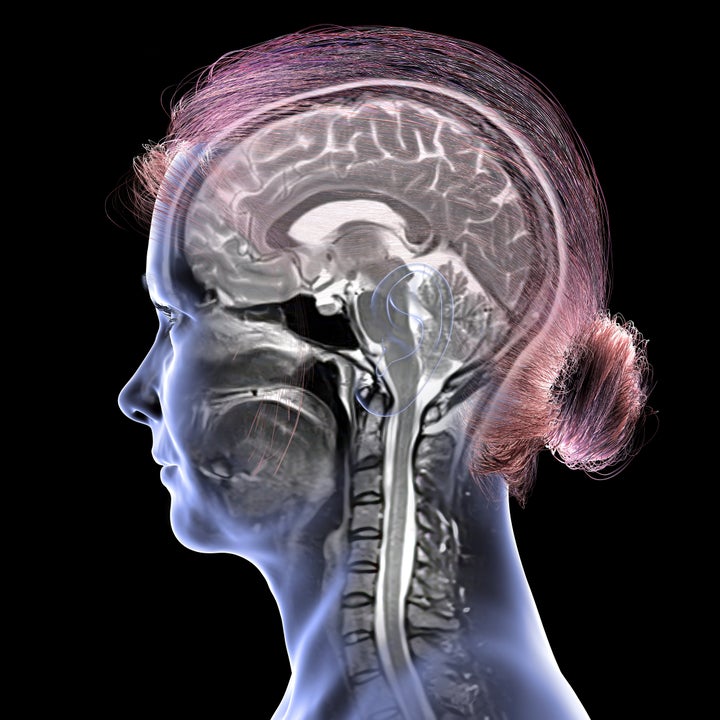
KATERYNA KON/SCIENCE PHOTO LIBRARY via Getty Images
A study published in the Journal of Sport and Health Science suggests that engaging in 150 minutes of consistent aerobic weekly exercise may help keep your brain younger.
The authors noted that the study had some limitations, like its relatively small sample size. Also, the scientists noted that they did not consider the participants’ other lifestyle factors that have been shown to affect brain age, such as alcohol consumption and smoking.
But overall, Erickson had emphasized that lifestyle interventions in your 30s, 40s and 50s can give you a head start in potentially delaying or reducing the risk of “later-life cognitive decline and dementia.”
The government’s Physical Activity Guidelines for Americans states that adults should aim to do at least 150 minutes of “moderate-intensity” exercise per week for substantial health benefits.
The guidelines state that moderate intensity means anything that “gets your heart beating faster counts.” Examples include swimming, brisk walking, bike riding or gardening and yard work.
Dr. S. Ausim Azizi, a professor and section chief of behavioral neurology at the Yale School of Medicine, has previously emphasized to HuffPost that exercise and physical activity are so important for your overall brain health.
“[Physical activity] is one of the 10 factors that improve cognition and brain health in general,” he said, before later adding: “Over longer periods of time, exercise and physical activity increase formation of new brain cells, neuron and glia alike, which will impact memory and other functions of the brain.”