
Lifestyle factors and sometimes medications are essential for healthy diabetes management.Avoid supplementing chromium, bitter melon, green tea extract, St. John’s wort and vitamin E.Support healthy blood sugar with diet, physical activity, stress management and healthy sleep.
When it comes to diabetes, lifestyle plays a major role in blood sugar management and overall health. What you eat, how you move your body, your sleeping patterns and your stress levels are all factors that can impact blood sugar. Even if you are taking medications to manage your diabetes, they are to be used in conjunction with lifestyle strategies that include a nutritious eating plan, physical activity, managing stressors and getting healthy sleep. But what about supplements? Are they safe and effective?
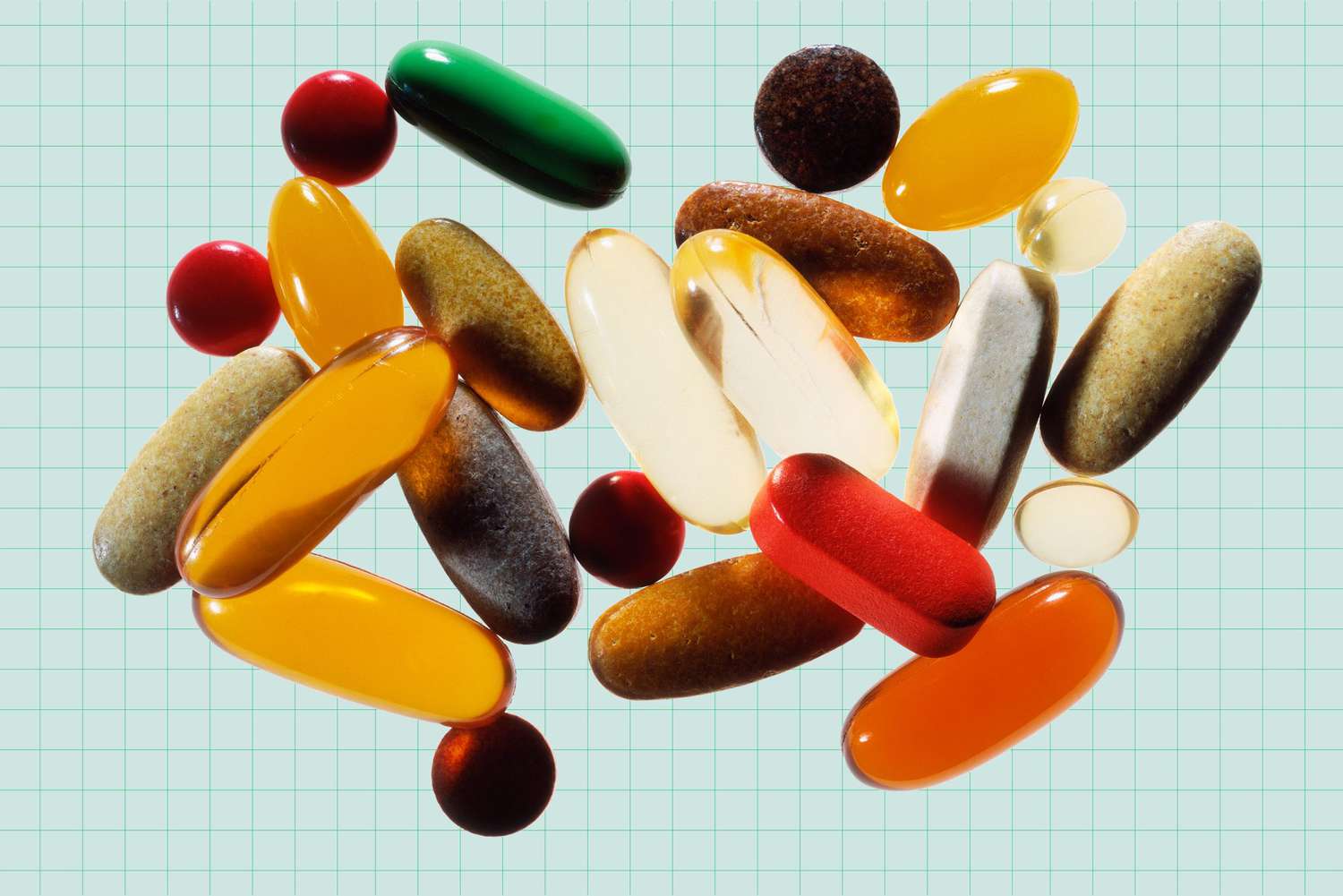
Supplements are meant to fill nutrient gaps when you are unable to meet your needs through food alone or if you have a deficiency. Because supplements are not regulated by the Food and Drug Administration, it’s important to take them cautiously. Always look for independently verified certification to ensure what they say is in it actually is, and never begin supplementation without supervision from a medical professional. Supplements can be costly and, if not taken carefully, may do harm, especially if you are taking certain medications or have other health conditions.
There are different types of diabetes and different treatment options for each type, so it’s difficult to generalize which supplements all people with diabetes should not take. That’s one of the reasons discussing your desires and questions with a knowledgable medical professional is so important.
With that in mind, here are five supplements you may want to reconsider if you have diabetes, as they may interfere with certain medications, disrupt blood sugar levels or cause unwanted side effects.
1. Chromium
Chromium is a mineral found in a number of foods, such as meat, vegetables, grains, fruits and nuts. A deficiency in chromium may cause high blood sugar; however, deficiency is very rare. If you have diabetes and take insulin or other oral medications aimed to reduce blood sugar, taking chromium may increase the risk of hypoglycemia (low blood sugar).
Anyone with kidney disease, which is a common complication of type 2 diabetes, should not take chromium because supplementation can worsen kidney disease. Chromium supplementation may also interfere with levothyroxine, a medication commonly used to treat hypothyroidism.
2. Bitter Melon
Bitter melon is an herbal supplement that has been studied for its use in reducing blood sugars in people with diabetes. Its components—charantin, vicine and polypeptide-p—are thought to have a similar structure to insulin, the hormone involved in blood sugar control.
Research on bitter melon supplementation is inconsistent. The studies that have been done are short, most are done on animals and the doses of bitter melon used vary. More research is needed to determine long-term effects and safety. In addition, bitter melon may increase your risk of low blood sugar.
3. Green Tea Extract
Drinking green tea has been shown to provide benefits for people with diabetes. However, there is little research on the effectiveness of a green tea supplement outside of studies conducted on animals, and most studies have been very short in duration. Therefore, additional supplementation beyond drinking green tea is probably not necessary. In addition, emerging research suggests that green tea supplements may have significant interactions with certain medications, reducing their effectiveness.
4. St John’s Wort
More research is needed on the use of St. John’s wort for diabetes, due to its potential effects on diabetes medications, insulin sensitivity and insulin secretion. One small study evaluated the use of St. John’s wort and metformin in 20 healthy male subjects, and found that taking the two in conjunction can increase insulin secretion and lower blood sugar after a glucose tolerance test; however, the supplement decreased the clearance of metformin from the body. One review cautions against the use of St. John’s wort for treatment of diabetes because of the potential of interference with drug metabolism.
Most studies on St. John’s wort and diabetes have conflicting results, do not include diverse populations, used animal subjects or did not have a long enough duration to examine the long-term effects. Therefore, more studies are needed to explore the drug interactions and insulin secretion effects of St. John’s wort.
5. Vitamin E
Vitamin E is a powerful antioxidant that can combat oxidative stress, a precursor and contributor to type 2 diabetes. Adequate dietary intake of vitamin E has been shown to protect against type 2 diabetes by helping reduce insulin resistance. However, high levels—such as those found in supplements—have not been shown to be useful. Also, vitamin E can interact with blood thinners and increase the risk for bleeding by blocking the clotting effects of vitamin K. Therefore, unsupervised supplementation is not recommended if you have diabetes and are taking blood thinners.
Tips for Healthy Eating If You Have Diabetes
Before spending lots of money on supplements that may not work or can cause harm, focus on making simple yet sustainable dietary changes. Here are a few to start with:
Focus on whole foods: Whole foods contain a variety of macronutrients, vitamins and minerals. Aim to increase your intake of plants—fruits, vegetables, legumes, whole grains, nuts and seeds—that are rich in fiber, vitamins, minerals, antioxidants and healthy fats. Dairy, eggs, meats and seafood also provide essential nutrients, protein, and fat, which help stabilize blood sugar.
Eat more fiber: Fiber is an indigestible part of carbohydrates that can help to reduce blood sugar spikes because it is metabolized slowly. Some simple ways to eat more fiber is to ingest one fruit or vegetable at each meal, make at least half of your grains whole grains and add one serving of unsalted nuts each day. The 2020-2025 Dietary Guidelines for Americans recommends consuming 25 to 38 grams of fiber daily. If you are not accustomed to eating fibrous foods, increase your intake slowly and drink ample amounts of fluids to reduce the risk of stomach discomfort, including gas and bloating.
Pair your foods: When eating carbohydrates (grains, potatoes, beans, corn), pair them with nonstarchy vegetables, lean protein and healthy fats. This food combination will not only provide satiating power, but also help provide steady energy and stable blood sugar. A simple yet effective strategy is to use the plate method: Fill half of your plate with nonstarchy vegetables, one quarter with lean protein and the remaining quarter with a complex carbohydrate. For example, roasted chicken with stir-fried broccoli and baked sweet potato is a balanced and filling meal.
30-Day No-Sugar, Diabetes-Friendly Meal Plan for Beginners, Created by a Dietitian
Our Expert Take
While supplements can serve a purpose when you need to fill nutrient gaps or when you are deficient, they are not always safe, and we often don’t know their long-term effects. Before you spend money on supplements, take a look at your lifestyle. Eating a variety of fruits, vegetables, whole grains, nuts, seeds, lean protein and healthy fats can help you manage blood sugar and inflammation, a key factor in diabetes. Engaging in regular physical activity helps your body use the glucose in your food, promoting a healthy blood sugar. It’s also important to get plenty of quality sleep and deal with what’s stressing you out, as chronic stress has been linked with higher blood sugar levels.
If you have diabetes—or take care of someone who does—and don’t know where to start, meet with a registered dietitian or certified diabetes care and education specialist. These medical professionals can answer all your questions about diabetes, including which supplements are safe to take and which ones should be avoided.
Frequently Asked Questions
Are there over-the-counter treatments for diabetes?
It is very important not to replace medical treatment with over-the-counter products that claim to treat diabetes. Treatment of diabetes is ongoing and requires daily self-management. Lifestyle changes—such as a nutritious diet, physical activity, adequate sleep and reducing stress—can help you manage your diabetes. Unfortunately, there is no supplement that will cure you.
What supplements may help with diabetes?
If you are deficient in a vitamin, you may benefit from supplementation. And if you have complications of diabetes, some supplements—including vitamin D, B vitamins, omega-3 fatty acids, and probiotics—may help alleviate symptoms or delay the progression of diabetes-related complications. With that said, it’s still best to obtain your nutrients through food whenever possible.
Can I reverse diabetes with just lifestyle changes?
Yes, it is possible to reverse type 2 diabetes with lifestyle changes over time. The key is to be consistent with the changes and make them sustainable for the long haul. Some people do need a little help from diabetes medication at the start of their journey, but can often reduce and eventually come off it with persistent lifestyle changes.