
Bailey told the BBC such tools are not for everyone.
She added: “For a small proportion of individuals, particularly those vulnerable to food anxiety or disordered eating, increased focus on food monitoring or quantity can become counterproductive and heighten preoccupation around eating.”
Westfold explained it could create a difficult relationship between therapist and patient.
She said: “My line of work is based on relationships and making someone feel comfortable.
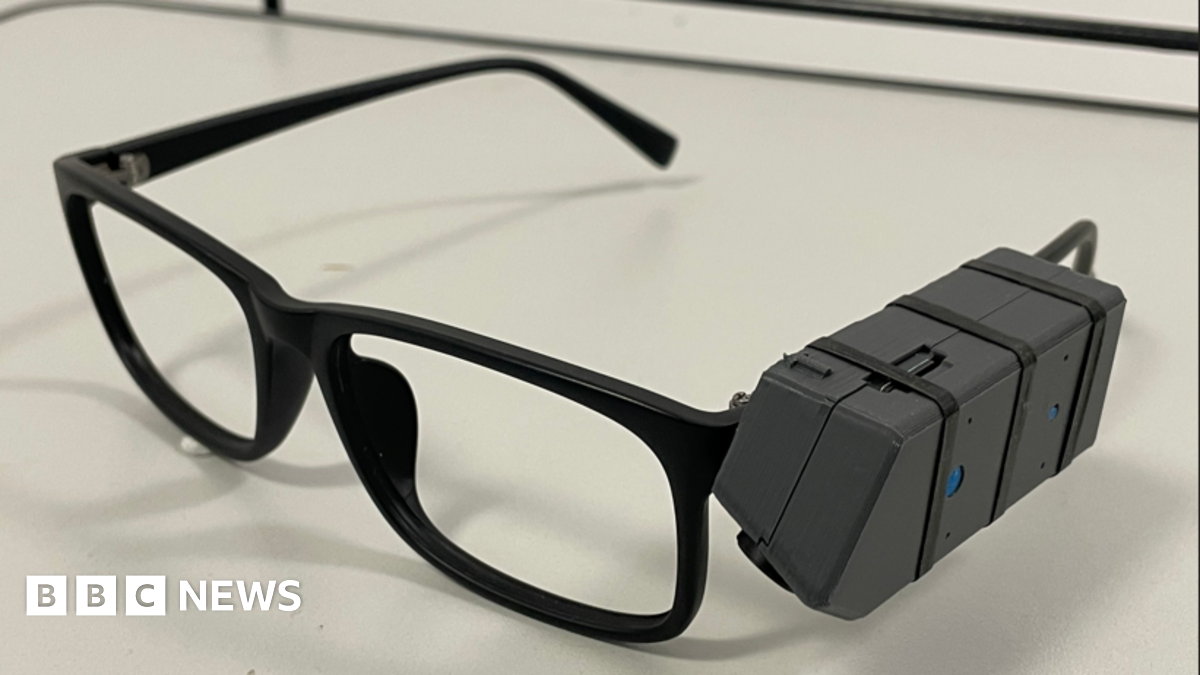
“Camera glasses could imply that as a nutritionist I don’t trust my client, or believe what they are telling me.”
“It could make us feel like a food nanny, policing our clients and damage that relationship because they are under constant surveillance,” she added.