
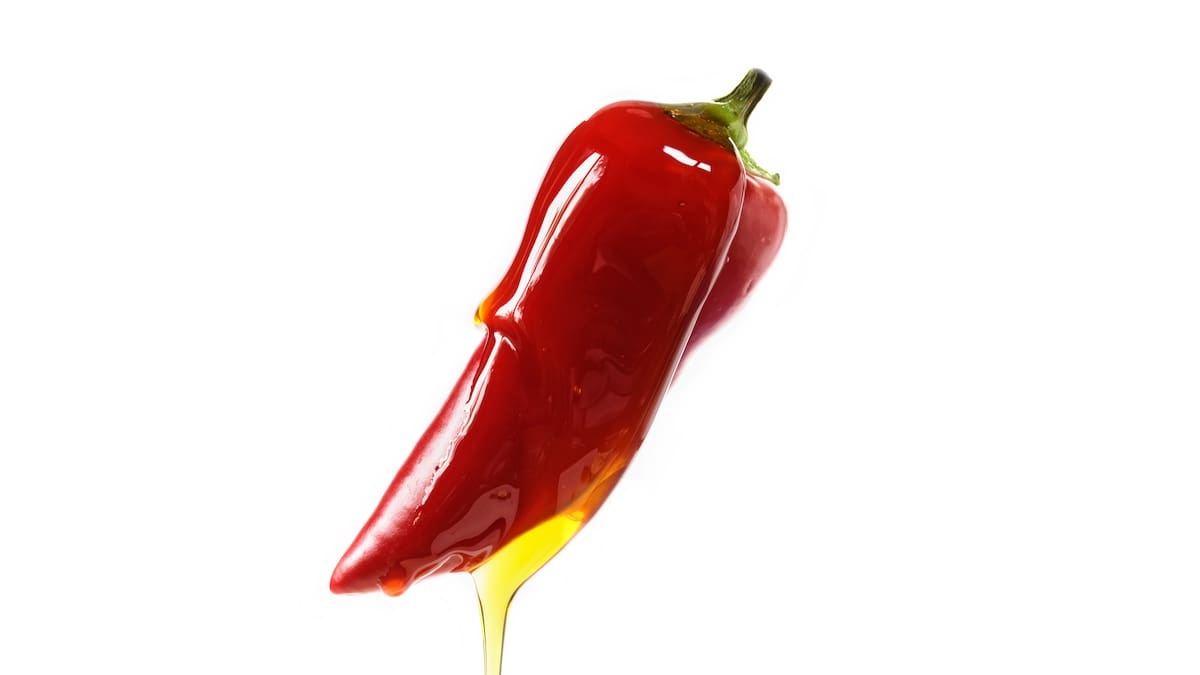
Both honey and chilli are individually known to have nutritional benefits, so what happens when you put them together? Photo / Getty Images
Hot honey is everywhere, dripping provocatively from burgers, pizzas and chicken. A combo of chilli and honey, hot honey sits at that familiar intersection of taste, trend and nutrition. It’s sweet enough to be indulgent, spicy enough to feel virtuous, and popular enough to be impossible to ignore.
Which makes it worth asking, are there any nutritional benefits?
Both honey and chilli are individually known to have nutritional benefits. In the case of chilli, the capsaicin it contains is of particular interest. Capsaicin is the compound that elicits the spicy sensation variously loved or hated by many. Although repeated exposure to chilli, particularly over a lifetime, can improve a liking for it, research suggests there is undoubtedly a genetic component to chilli preference, too.
When it comes to spicy foods such as chilli, our body’s nervous system perceives the hotness of the capsaicin as a burning sensation. Thus, chilli peppers produce a pain response rather than being sensed by the body as a taste or smell. The capsaicin activates heat receptors on nerve endings in our mouth, tongue and airways, so it feels as if your mouth and throat are burning.
But those who can tolerate the burning sensations are in for some good news, because capsaicin has well-known anti-inflammatory, antioxidant and analgesic (painkilling) effects, as well as being linked to cardioprotective and metabolic effects.
Recent research has also found that capsaicin increases the abundance of butyrate-producing bacteria in our gut. This benefits health, while also inhibiting the growth of harmful gram-negative gut bacteria, thereby reducing toxins in the gut and strengthening the intestinal barrier, according to a 2020 review in the journal Molecules. Capsaicin also destroys harmful bacteria such as Streptococcus pyogenes and Helicobacter pylori. Still, there is a limit to how much capsaicin is beneficial, with research and personal experience affirming that too much chilli will disrupt the gut and lead to some rather unpleasant side effects (ahem).
Hot honey softens the edges of chilli’s burn because its sweetness and thickness coat the palate, thereby delaying and tempering the capsaicin’s burn, creating a milder, more balanced experience compared with traditional chilli-based hot sauces. From a food-culture perspective, this is part of why it works so well: the honey allows people to enjoy chilli’s thrill without the full burn.
Honey also has well-established positive health effects, such as antibacterial, anti-inflammatory, wound healing and antioxidant activities. Specific varieties of honey, most notably manuka honey, are known to be especially potent in this regard. Honey also contains non-digestible oligosaccharides (a form of carbohydrate) that have a prebiotic capability – that is, they beneficially promote the growth or activity of helpful gut microbes.
So, the combo of chilli and honey found in hot honey theoretically contains capsaicin that promotes a healthy gut microbiome profile, along with prebiotics in the form of honey, which feed your healthy microbiome.
It all sounds fantastic nutritionally, but bear in mind that the World Health Organisation recommends limiting free sugar intake to less than 10% of total energy intake (about 12 teaspoons of sugar a day) to reduce the risk of dental caries and non-communicable diseases such as cancer, diabetes and cardiovascular disease. Reducing sugar intake to less than 5% energy, or about six teaspoons of free sugar daily, creates further health benefits. Honey, like table sugar, syrups and fruit juices, is classified as a source of free sugar, so there is no free sugar pass for honey or hot honey sauce.
It’s still unclear whether commercially-produced hot honey sauces deliver the nutritional benefits associated individually with honey and capsaicin. That said, hot honey offers a milder more balanced chilli experience, particularly for those who can’t tolerate straight chilli sauces. Just remember that it is another source of added sugar in an already sugar-laden Western food supply. As with most condiments, the wisest approach is to enjoy it occasionally as part of a varied diet.
As well as Jennifer Bowden’s columns in the NZ Listener, listener.co.nz subscribers can access her fortnightly Myth busters column which explore food and nutrition myths.
SaveShare this article
Reminder, this is a Premium article and requires a subscription to read.
Copy LinkEmailFacebookTwitter/XLinkedInReddit