
I remember where I was when I caught the running bug. It was 2016, and I was on an NYC subway car packed with people wearing running gear and pinned-on racing bibs, heading from my apartment on the Upper East Side toward Yankee Stadium. A colleague had convinced me to sign up for the Bronx 5K, even though I’d never run a race before and only ever dabbled in running.
In high school, I’d played lacrosse. But during college and as an adult, my exercise routine consisted mainly of dancing in nightclubs and the occasional jog around Central Park.
But there, on the 4 train at 7 a.m., I felt overwhelmed by the anticipatory energy and sense of camaraderie radiating from the runners around me. There were young and old runners. People of all ethnicities. Different body types. Yet, everyone was running the same race. They seemed to understand each other, even without talking. Finally, I’d found a group where I felt like I could belong without changing who I was.
Related StoryRunning My First Marathon
Feeling inspired after that day, I signed up for and won the lottery for the 2017 New York City Marathon and quickly ramped up my training. To go from my first 5K to my first marathon in one year was obviously a big jump, but throwing myself into running helped me cope with disappointments in other areas of my life. I’d recently scaled back on work and my professional goals in hopes of starting a family with my husband, only to find out we had fertility issues. I had planned on doing something physically challenging and painful that year, but instead of being pregnant and giving birth, I ran a marathon.
I followed a training program developed by The Mile High Run Club and used New York Road Runners races as benchmarks leading up to the marathon. I ended up finishing the marathon in 4:30:01. I was proud to have stuck with training and to finish with a respectable time, but I knew I could do better.
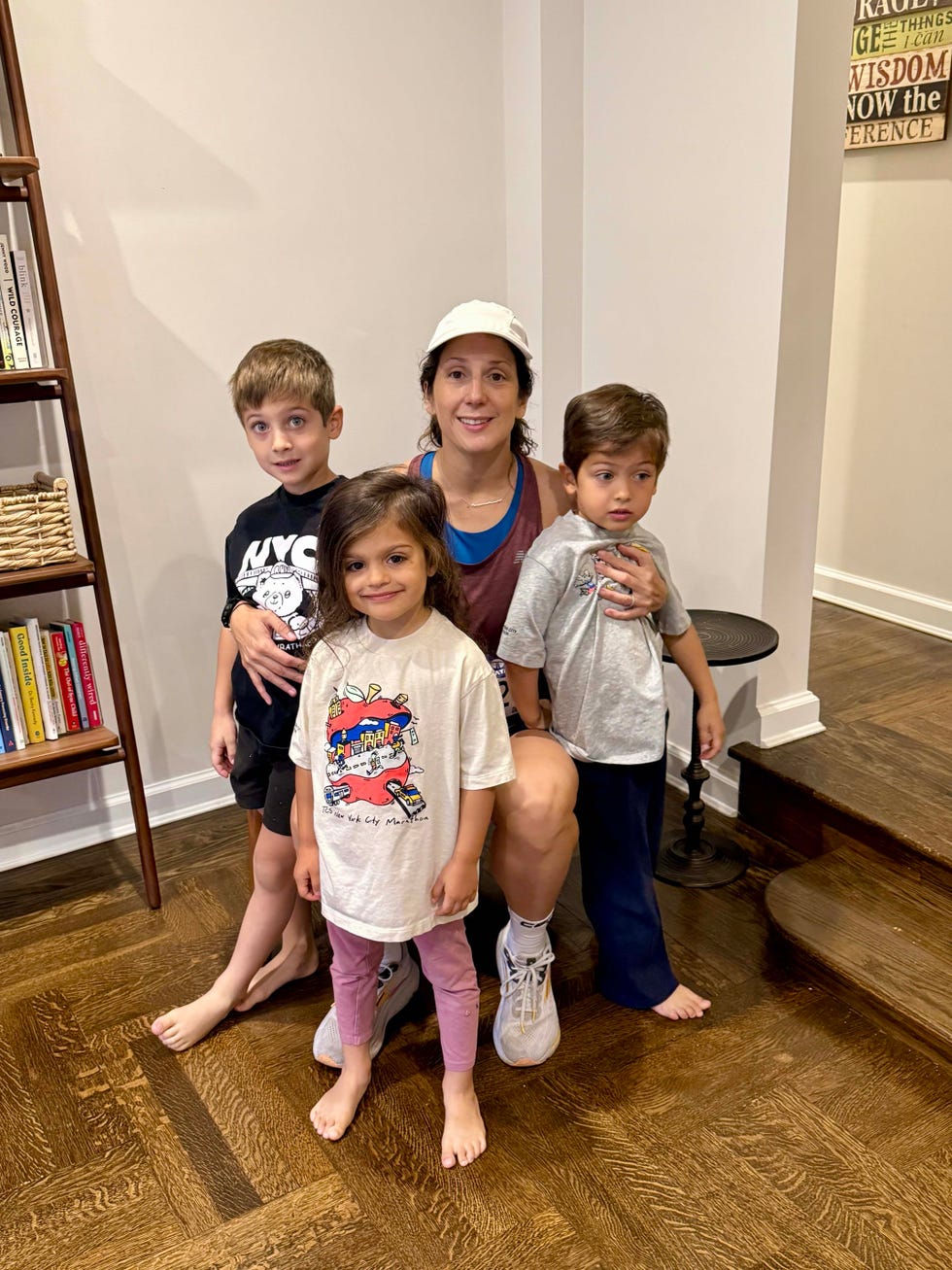
Months later, my life changed completely. I underwent in-vitro fertilization (IVF), got pregnant, and had my first son. Two years later, I gave birth again, this time to boy/girl twins. I love being a mom, but my life is hectic. Both of my sons are neurodivergent. Parenting is already hard, but caring for neurodivergent kids adds a layer of complexity. I’ve heard people compare it to PTSD because your stress and cortisol levels are constantly elevated.
Courtesy Nicole Goksel
I’m always thinking about therapies and childcare and bracing for a phone call from my kids’ schools. Running has become a refuge. It’s the one time of the day that’s just for me. I get to feel human and be competitive—not necessarily with other runners, but with myself. Seeing my performance improve gives me a sense of satisfaction.
So when I don’t feel like I’m reaching my full potential or running as consistently as I want to, I get frustrated. I had a particularly bad experience at the 2024 Brooklyn Half Marathon—so much so that I considered quitting altogether. On top of it being one of my least favorite courses (that long, boring stretch of Ocean Avenue with hardly any spectators is brutal), the weather was hot and rainy, and I went in underprepared. I crossed the finish line, but I was miserable from the start.
Between work and family life, I had plenty of valid reasons for why I hadn’t trained properly. But I realized that if I wanted to keep running—and actually enjoy it—I had to let go of the victim mentality that was holding me back.
Courtesy Nicole Goksel
How a Change in Mindset Transformed My Training
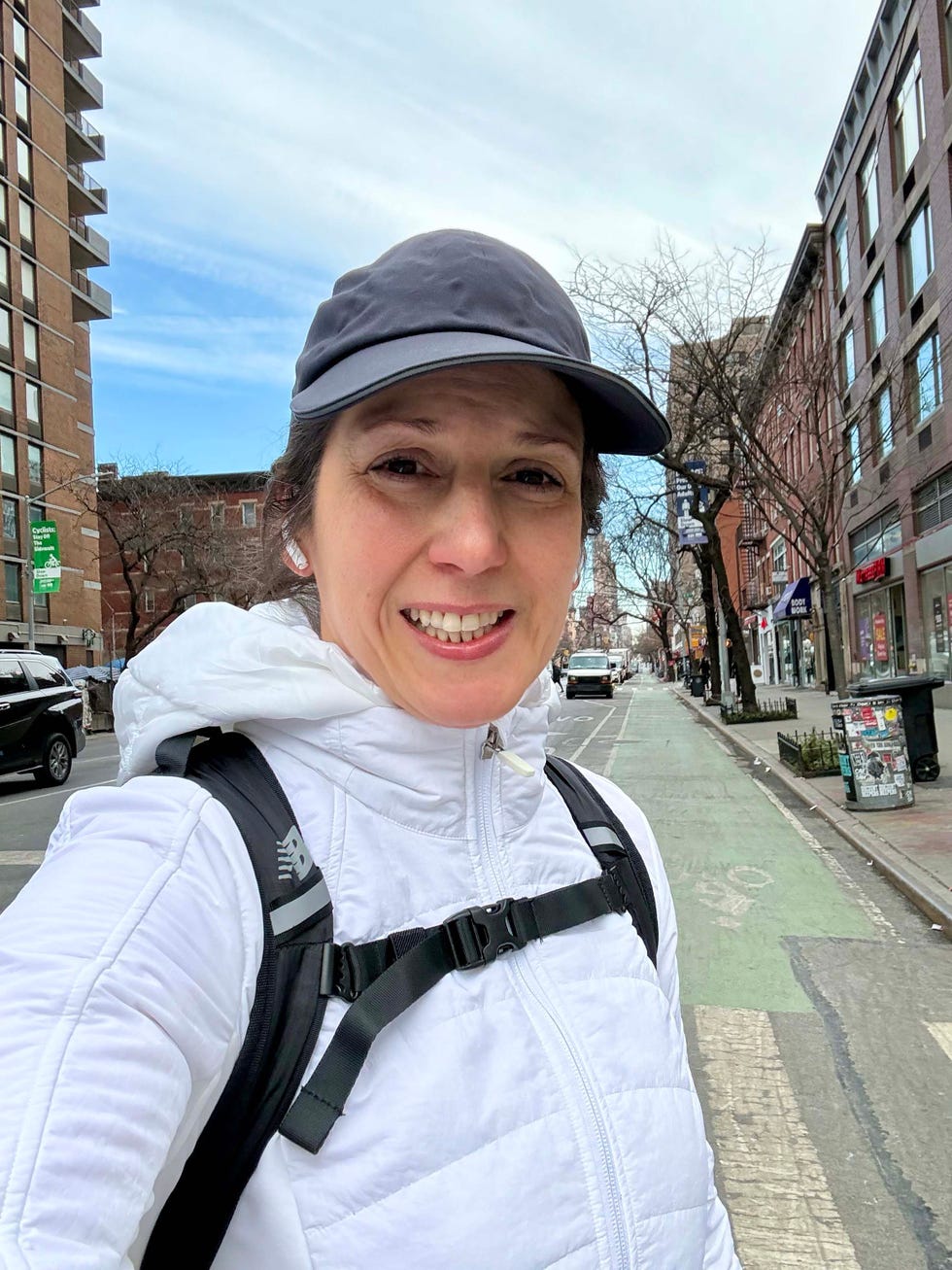
Instead of focusing on what I didn’t have time to do as a working mom of three kids, I found ways to optimize the time and resources I did have. I’d already allotted time for my work commute, so I started running to and from the office, sometimes with a laptop bag strapped to my back. I stopped waiting for ideal running conditions and got comfortable with being uncomfortable, whether that meant logging miles in the early morning, late at night, or in the rain, snow, or extreme cold.
I decided to embrace hills instead of walking or avoiding them altogether. It sounds like a minor change, but I spend about four weeks of the summer in Turkey, where the terrain is very hilly. I used to dread running there, but during my last visit, I tackled those hills head-on, knowing that they’d make me stronger. And they did. I feel faster and more powerful. And now, when I run in Central Park, I always choose the route that takes me up the Harlem Hill instead of around it.
I got real about what actually served me in this particular season of my life and let go of what wasn’t working.
My long runs became sacred. I’m no longer religious, but running every weekend is almost like going to church. My husband understands how critical that run is for me and plans to be there for our kids. And if we need extra help, particularly during those extra-long, three-hour runs, we’ll hire a nanny for the afternoon. No matter what’s happening at home or at work, I get them done, and the people in my life get that.
Having that non-negotiable run on my schedule keeps up my momentum to run at least three times a week, my self-imposed minimum. In the past, I’d get easily discouraged and let one missed workout snowball into an entire week off. Now, I prioritize consistency over perfection.
Related Story
I got real about what actually served me in this particular season of my life and let go of what wasn’t working. I’ve enjoyed group runs, personal training, and scheduled workout classes in the past. But as a working mom of three, I found that having yet another appointment on my calendar only adds to my stress. (I’ve literally cried in the middle of a group treadmill class because I had to rush off when one of my kids was struggling.)
Right now, I need flexibility. I use the Runna app to guide my running schedule and make adjustments as needed. And strength training at home with my resistance bands, TRX suspension trainer, and Lululemon Mirror is what’s realistic and sustainable.
That said, I kept my physical therapy appointments, even when they weren’t convenient. I’ve done PT in the past for various injuries, but in early 2025, I worked with a pelvic floor physical therapist to address some stress incontinence issues I dealt with after carrying three children. I didn’t exactly want to do it, but worrying about peeing yourself midrace can really mess with your confidence and negatively affect your performance. So I stuck with it, and it helped a lot with leaking. During my most recent marathon, I wore shorts for the first time in years. It was liberating.
I’ve never been hyper-focused on what I eat, but I started paying more attention to my nutrition and fueling, even using artificial intelligence tools to analyze my meals and help me make better choices. I’ve upped my protein intake, which has made a difference in how I feel. And I started supplementing with salts during my races and being more diligent about taking gels so I don’t get depleted.
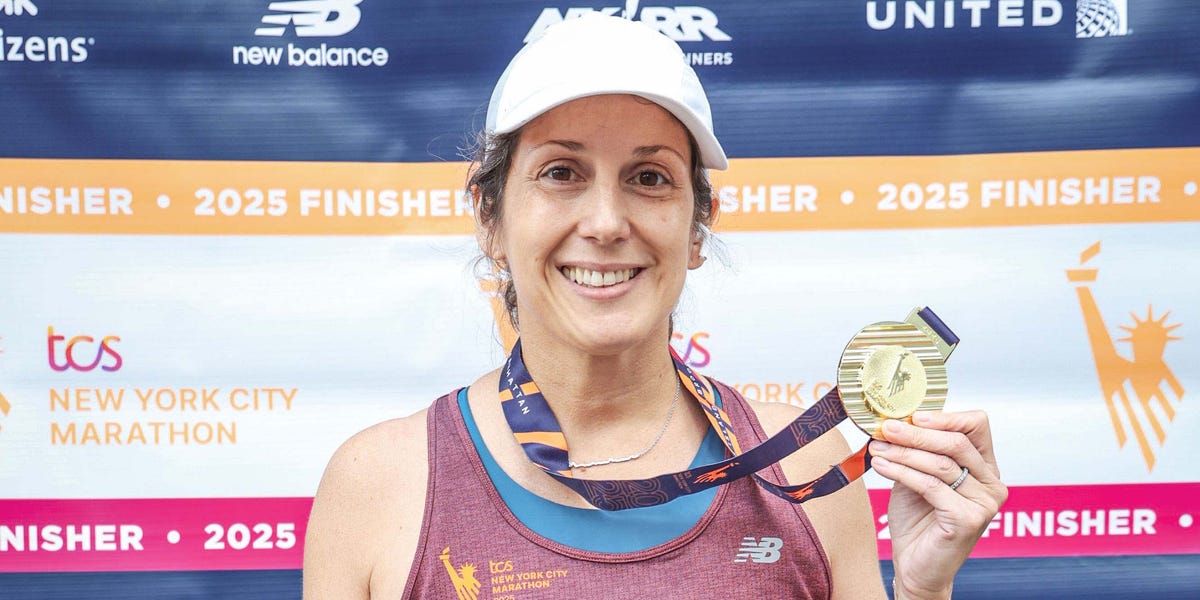
All of these little tweaks have made a measurable difference. At the 2025 New York City Marathon, at 45 years old, I shaved five minutes off my time and set a new PR of 4:25:40. And unlike previous races, where I’d typically have to stop and walk between miles 18 and 20, I never hit the wall.
This year, in 2026, my goal is to finish in under 4:15. And if I can get a bib for 2027, I’m going for a sub-four to celebrate my 10-year anniversary of running marathons.
Related StoryThese 3 Factors Improved My Training and RacingAddress Pain
Working with a physical therapist to address my pelvic floor issues and other musculoskeletal problems, like a chronically tight hamstring, was game-changing. I could run faster and more efficiently, but I also had more confidence.
It’s important to find a good PT, though, as so many doctors will just tell you to stop running. You need someone who’s going to help you find that balance between helping you listen to your body and continue to push yourself.
Run the Hills
Once I started attacking hills instead of avoiding them or using them for walk breaks, I felt stronger and more powerful. My times got faster, too. It’s especially important to incorporate hillwork into your training if your race is hilly. So, check the course elevation map to make sure you’re prepared.
Invest in Good Gear
I’m a frugal person, so I spent way more than I wanted to on my Lululemon running jacket. But it’s an investment that has really paid off; I paid a few hundred dollars in 2017, and I’m still wearing it today because it’s so well made.
Knowing that I’ll be warm and protected from the elements makes it a lot easier to stick to my runs when the weather is bad. All the little runner-specific features, like the zippered under-arm vents and sleeves that I can pull down to protect my hands, make a huge difference. And, of course, don’t skimp on shoes. Nothing will slow you down like blisters.