
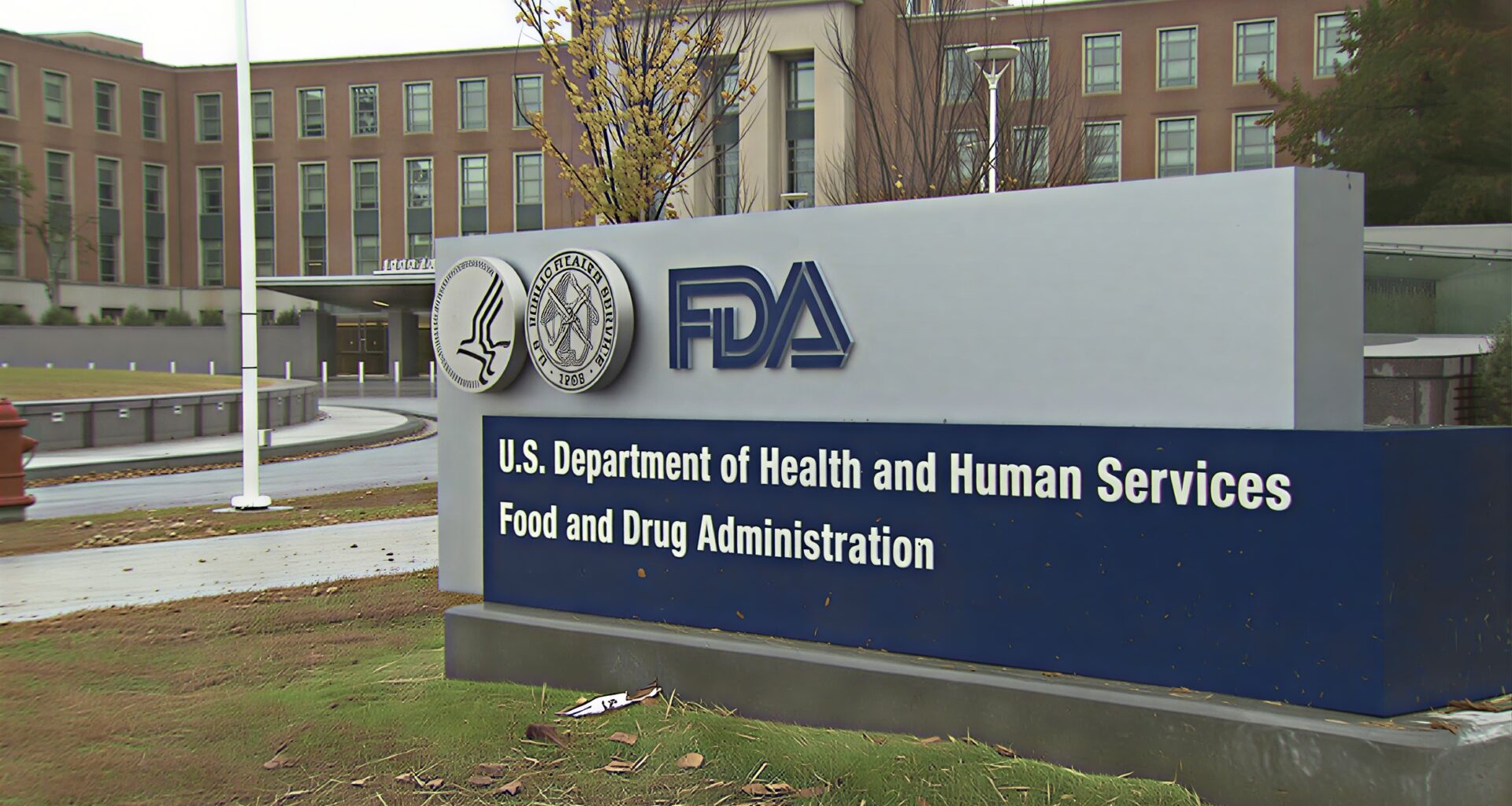
WASHINGTON — The dietary supplement industry is pressing the U.S. Food and Drug Administration (FDA) to broaden its regulatory framework, seeking approval to include newer substances such as peptides and advanced probiotics in consumer products. The proposed shift could significantly reshape the fast-growing wellness market.
The FDA recently convened a public meeting to examine whether its existing definition of dietary supplements, traditionally limited to ingredients derived from food, herbs, and vitamins, should be expanded. The discussion brought together industry representatives, policymakers, academics, and consumer advocates to assess both opportunities and risks.
This marks the first major policy dialogue on the issue since Robert F. Kennedy Jr. assumed leadership of the U.S. health system. Kennedy has openly supported loosening restrictions on supplements and peptides, aligning with broader calls from the wellness industry to reduce regulatory barriers.
The meeting itself was initiated by the Natural Products Association, which has argued that unclear regulatory interpretations are creating hurdles for innovation and market growth. Echoing this sentiment, FDA food policy head Kyle Diamantas highlighted the need to modernise oversight, stating that efforts are underway to “cutting red tape” and reduce compliance burdens.
“The industry has grown tremendously over the last 30 years yet the regulatory framework has largely stayed the same,” Diamantas said.
Evolving products challenge existing definitions
At the centre of the debate is a mismatch between current regulations and the evolving nature of wellness products. Under existing rules, supplements are classified as a form of food, meaning their ingredients must originate from dietary sources. However, many newer products now incorporate compounds that do not fit this definition.
Peptides, for instance, are biologically active chains of amino acids often marketed for benefits such as muscle growth, recovery, and anti-ageing. While widely promoted, scientific evidence supporting these claims remains limited. These compounds are already sold in medical settings as injections or infusions, but some manufacturers have begun incorporating them into oral supplement formats, raising regulatory questions.
Industry stakeholders argue that the law does not explicitly restrict ingredients to food-based sources.
“The hope of the meeting is that FDA is willing to open up its interpretation of what constitutes a dietary ingredient to allow dietary substances that aren’t already in food,” said Robert Durkin, a former FDA official now advising supplement companies.
Concerns over safety and oversight
Consumer advocacy groups have warned that loosening definitions could significantly expand the supplement market without adequate safeguards. They argue that the FDA is already struggling to monitor existing products and should prioritise strengthening current oversight.
“FDA should focus on making the current market safer instead of allowing more chemicals and substances in supplements,” said Jensen Jose of the Center for Science in the Public Interest.
The regulatory gap is a longstanding issue. Unlike prescription drugs, dietary supplements are not subject to pre-market approval. Manufacturers are responsible for ensuring safety and accuracy, while the FDA does not maintain a complete inventory of products available in the market.
With more than 100,000 supplements currently in circulation, this system has raised concerns about inconsistent quality, misleading claims, and limited enforcement.
Policy momentum and industry ties
Kennedy’s supportive stance toward supplements has further energised industry efforts. He has publicly endorsed peptides and indicated a willingness to ease restrictions, while several individuals associated with his policy circle have connections to the supplement and wellness sector.
A regulatory crossroads
The current framework, established in 1994, allows supplement companies to make general health-related claims without the rigorous evidence required for pharmaceutical products, provided they include disclaimers stating that such claims have not been evaluated by the FDA.
Some former regulators believe this approach has allowed ambiguous health messaging to proliferate.
“It sanctioned unauthorized, implied health claims” said Mitch Zeller, who worked on supplement policy at the FDA in the 1990s. “There are all manner of claims being made on supplement labeling or in advertising that are carefully worded to avoid making a drug or treatment claim.”
As the FDA considers potential updates, the outcome could redefine how supplements are developed, marketed, and regulated, balancing innovation with the need for stronger consumer protections.