

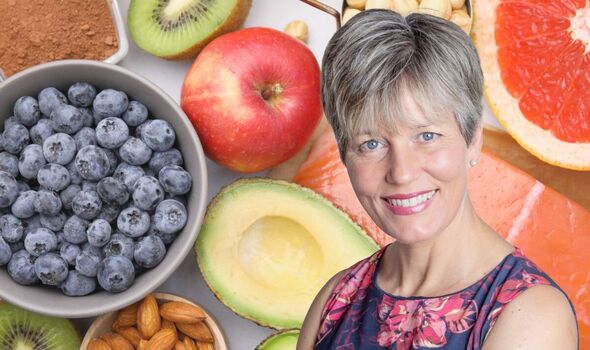
Dr Carrie Ruxton shared her personal exercise plan for strong bones (Image: Carrie Ruxton/Getty)
Almost half (45%) of people aged 55 to 75 experienced joint, bone or muscle problems in the past year, a major survey reveals. Research by Ipsos for Holland & Barrett, involving almost 5,000 adults, also found that while 74% agreed that establishing good health and wellbeing is key to preventing illness, most wait until something goes wrong before taking action. But musculoskeletal problems should not be seen as inevitable in later life, according to dietician Dr Carrie Ruxton. She said joint, bone and muscle problems do tend to become more common as we age due to changes such as cartilage in joints wearing down, reducing cushioning and leading to stiffness or conditions like osteoarthritis.
Bone density also starts to decline and hormone changes in both men and women lead to muscle mass loss, while tendons and ligaments also become less elastic and metabolic changes in our bodies impair recovery. However, Dr Ruxton added: “The good news is that you can successfully fight back against some of these muscle, bone and joint problems.” Here are her top tips for optimising your exercise, diet and supplement use to maintain healthy joints, bones and muscles.
Read more: This easy daily habit may cut dementia risk by 15%
Diet
Holland & Barrett’s survey found that a third people admit they find it difficult to know what makes a healthy, well-balanced diet. Consuming enough protein plays a key role in musculoskeletal health, Dr Ruxton said.
She added: “I recommend a protein intake of 1g to 1.2g per kilo of body weight, which would be 70-84g a day for a 70kg person.
“Protein bars and powders are a convenient post-exercise snack but I also eat boiled eggs, cold chicken, nuts, seeds and Greek yoghurt to boost my protein intake.
“The vitamins and minerals which matter for muscle health are potassium (fruit, vegetables, pure juices, seafood) and magnesium (nuts, spinach, kale, chickpeas, wholegrain rice).
“Healthy fats found in oily fish (mackerel, herring, salmon) help to calm inflammation in the body, which supports muscle recovery.”
Despite national guidance suggesting everyone should try to consume at least two portions of oily fish per week, 36% of survey respondents admitted they ate it rarely or never.
Dr Ruxton said: “If fish is not your thing, take a fish oil capsule or the vegan algae alternatives.”

Guidelines recommend two portions of oily fish per week (Image: Getty)Exercise
Completing regular weight bearing and strength classes is “the most important step” for joint, bone and muscle health, according to Dr Ruxton.
She said: “As a gym owner, and a post-menopausal woman, I schedule in three sessions a week of strength training, such as Hyrox or CrossFit classes, and ensure I hit 12,000 steps daily, either as a jog or brisk walk.
“I also do a weekly yoga or barre fitness class to maintain flexibility. Continuing to challenge muscles with progressive overload of weights helps with posture and stability and makes you look and feel fabulous — especially when you see the ‘bingo wings’ and other wobble zones vanish.”
The NHS recommends that weight-bearing and resistance exercises are important for improving bone density and preventing osteoporosis.
Dr Ruxton added: “I would encourage everyone to take more exercise no matter their age. My 77-year-old mum is in the gym every week pushing the sled and lifting bar bells and feels much better for it.”

Dr Ruxton enjoys a weekly yoga or barre class to maintain felxibility (Image: Getty)Supplements
You can get many essential vitamins and minerals from your diet. Dr Ruxton said: “For bone health, the key nutrients are calcium (dairy foods or fortified plant drinks), vitamin D (oily fish, eggs, UV-treated mushrooms) and phosphorus (meat, poultry, eggs).”
However, supplements can help boost your intake if necessary. The Government recommends that everyone should take a vitamin D supplement in the winter months, when sun exposure is lower. But Holland & Barrett’s survey found 40% of people rarely or never took vitamin D pills.
Dr Ruxton said: “As more than a quarter of Brits are deficient in vitamin D due to our lack of natural sunlight for half of the year, everyone should be taking a daily supplement, either as an A-Z multinutrient or a specific vitamin D supplement.
“If I had to recommend just one supplement for musculoskeletal health, it would definitely be vitamin D.”
Where to turn for further advice
Dr Ruxton is a contributor to Holland & Barrett’s State of the Nation’s Attitudes to Health report.
The health brand is offering more than 300,000 free wellness check-ins per month with qualified Wellness Champions who have more than 500,000 hours of UK-accredited training.
They can offer advice on issues including sleep, energy, stress and anxiety, and joint, bone or muscle problems.