
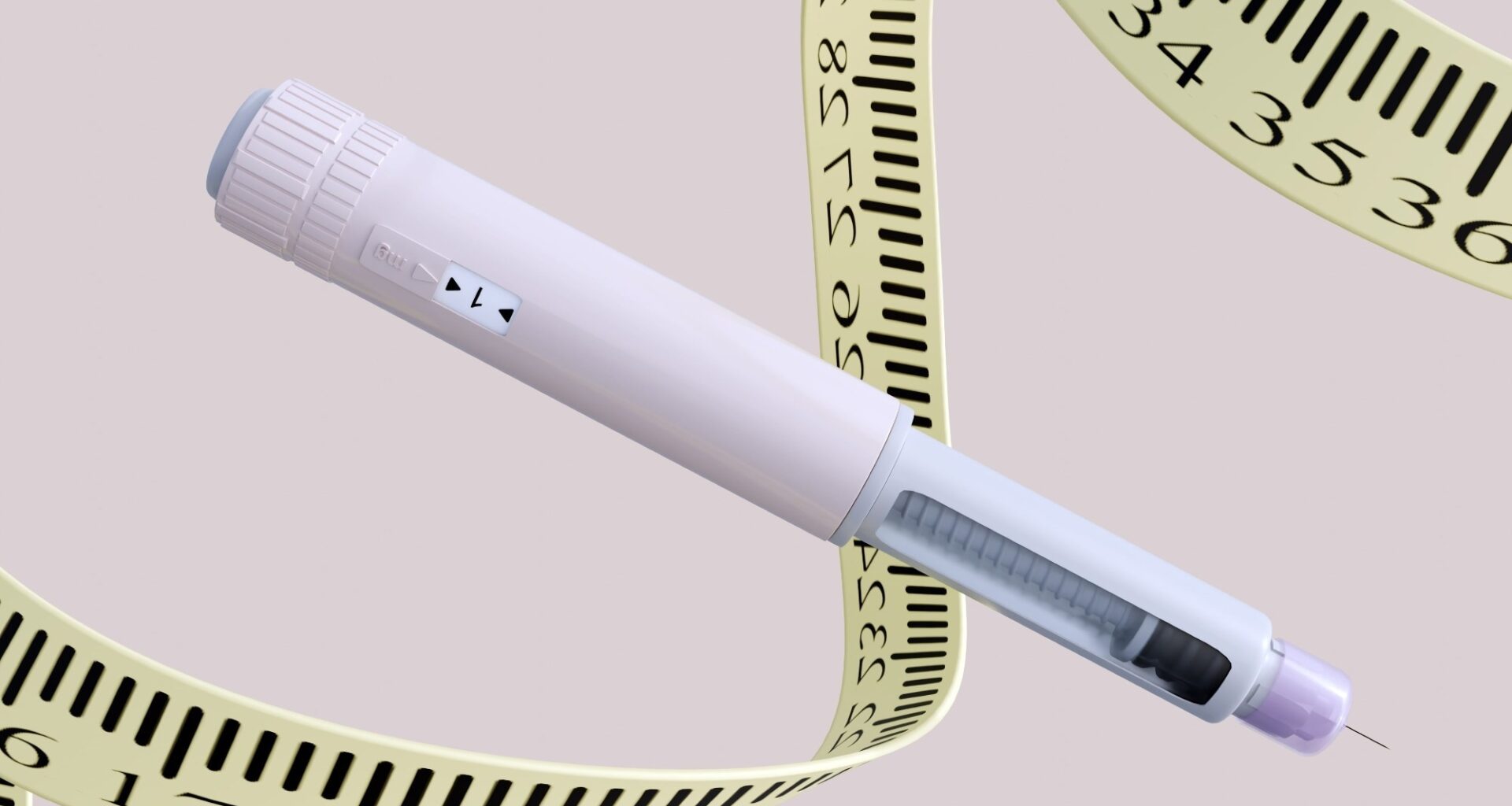
Even when medication is paired with diet and exercise, people may still feel their weight loss is less earned. A new study shows how effort-based bias can shape judgment, stigma, and social penalties around anti-obesity treatment.
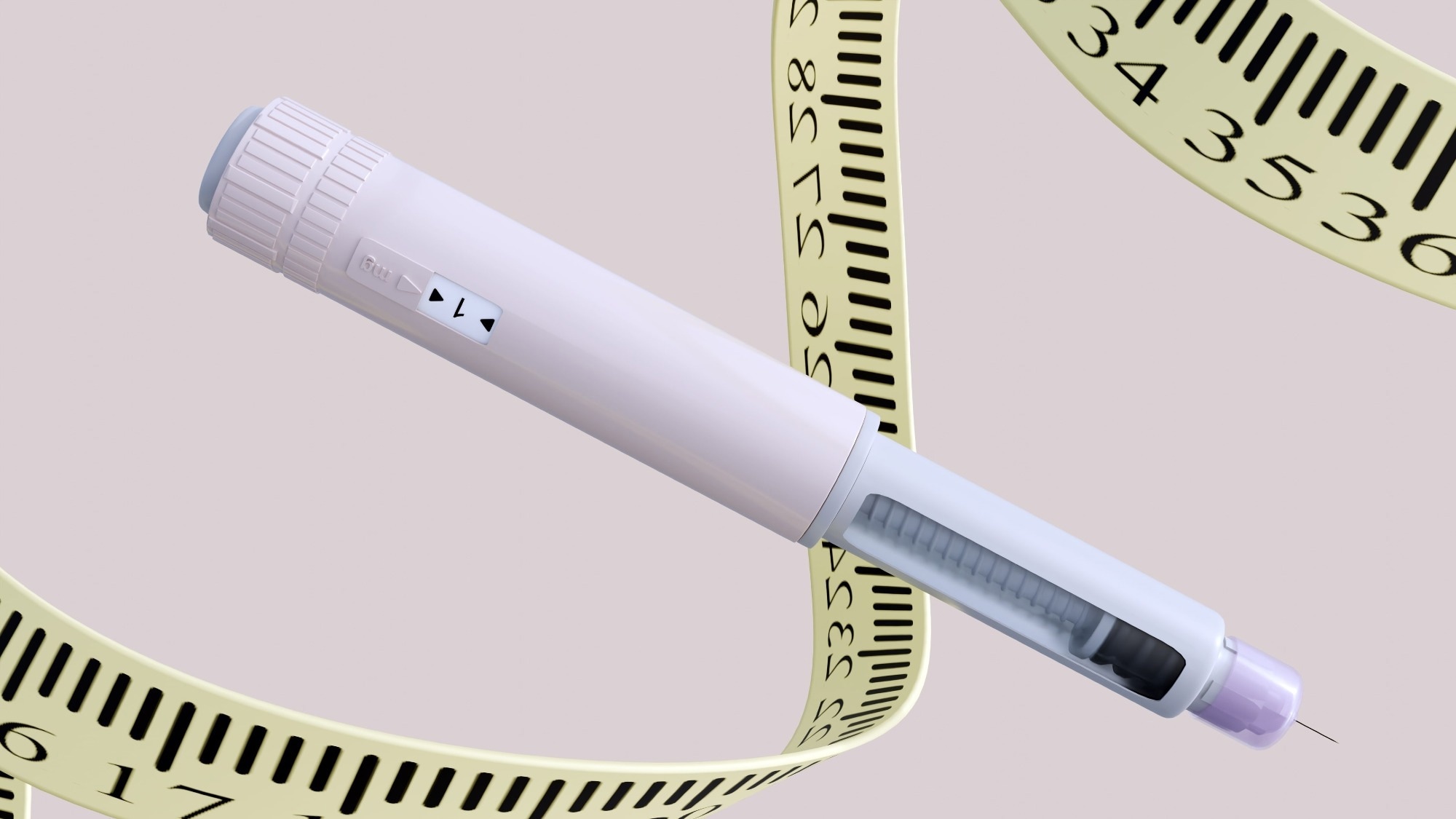
Study: Anti-obesity medication use sparks effort-based sanctions and social penalties. Image Credit: Love Employee / Shutterstock
In a recent study published in the journal Scientific Reports, a group of researchers examined whether anti-obesity medication (AOM) use influences perceived effort, moral judgment, and social evaluation.
Effort Moralization and Weight-Loss Judgment
Over 1 billion people worldwide live with obesity, yet how they lose weight can shape how others judge them. Treatments such as AOM, particularly glucagon-like peptide-1 (GLP-1) receptor agonists, are highly effective, but they are often criticized as an “easy way out.” This perception reflects a broader psychological bias known as effort moralization, where greater effort is equated with higher moral worth. Such beliefs can reinforce stigma, discourage treatment, and worsen mental and physical health outcomes. While AOMs can provide medical treatment for patients with persistent obesity, understanding the impact of these perceptions on patients is necessary to maximize AOMs’ potential. Further study is needed to examine how these perceptions evolve over time.
AOM Perception Study Design
The research consisted of four pre-registered, within-subject experimental studies conducted between November 2024 and February 2025 across Belgium, the United States (US), and the United Kingdom (UK), with a total sample of 1,205 participants. Participants were recruited online through university participant pools and the Prolific platform. To ensure high data quality, researchers excluded incomplete responses, failed attention checks, speeded responses, and low language proficiency.
The participants in this study rated two individuals with the same weight-loss goals and similar experiences with diet and exercise, except that one individual used an anti-obesity medication and the other did not. After participants read about these two individuals, they rated both using Likert-type scales on perceived effort, moral character, warmth, competence, and the deservingness of their outcomes, as well as their willingness to cooperate with them in a future scenario.
Additional variables were included across studies, such as attitudes toward AOM, personal or social experience with weight-loss medication, beliefs about AOM as a shortcut, and personality traits measured using the Big Five Inventory (BFI). Researchers used t-tests, correlations, and multilevel modeling to examine relationships between perceived effort and moral judgment, as well as potential moderating factors.
Negative Social Judgments of AOM Users
Across all four studies, consistent patterns emerged showing that individuals using AOM were judged more negatively than those relying solely on diet and exercise. Compared with non-users, AOM users were perceived as exerting less effort to achieve their weight-loss goals. This lower effort perception was consistently associated with more negative moral evaluations, with AOM users being seen as less moral across the studies. For example, Study 1 found that perceived effort scores were significantly lower for AOM users than for non-users, and this difference was accompanied by a similarly large decrease in moral character ratings.
Beyond morality, these perceptions extended to broader social judgments. AOM users were perceived as less competent and less warm, and were also not perceived as deserving of their success compared to non-users. Participants were also less willing to report satisfaction with future cooperation with AOM users in a training-partner scenario. Most of these effects were large in the paper’s evidence synthesis, although warmth was more moderate.
A major finding was the strong relationship between perceptions of effort and moral judgment. Differences in perceived effort between AOM users and non-users were associated with greater differences in moral judgment. This correlation was observed across all studies and indicates that effort perception is a major contributor to social judgment.
Beliefs About Shortcuts and Stigma Reduction
The study also explored factors that might influence these perceptions. Individuals with more positive attitudes toward AOM or prior experience with such medications tended to judge AOM users less harshly. Conversely, stronger beliefs that AOM represents a “shortcut” to weight loss intensified negative moral judgments. In some cases, these shortcut beliefs also interacted with perceived effort, amplifying the bias.
Personality traits, including conscientiousness and extraversion, showed little overall influence on these judgments, indicating that the bias is more closely tied to effort-based interpretations and treatment attitudes than to broad personality differences, although one exploratory analysis found a small association with neuroticism. Evidence synthesis using meta-analysis confirmed that the majority of effects were large, especially for perceptions of effort, moral judgment, competence, cooperation satisfaction, and deservingness, and moderate for warmth.
Implications for Obesity Treatment Perceptions
This research shows that AOM use is not only a medical decision but also a social one, often accompanied by stigma and negative judgment. Individuals using AOM are perceived as putting in less effort and are consequently viewed as less moral, competent, and deserving. These findings, drawn from vignette-based studies, highlight a widespread bias rooted in effort moralization, which can influence interpersonal relationships and public attitudes toward medical treatments. Correcting this bias is important for providing quality health care and reducing stigma. Public education, as well as reframing the predominant narrative about weight loss, may help shift people’s beliefs about effort and lead to a greater emphasis on health and well-being than on the perceived effort required for weight loss.